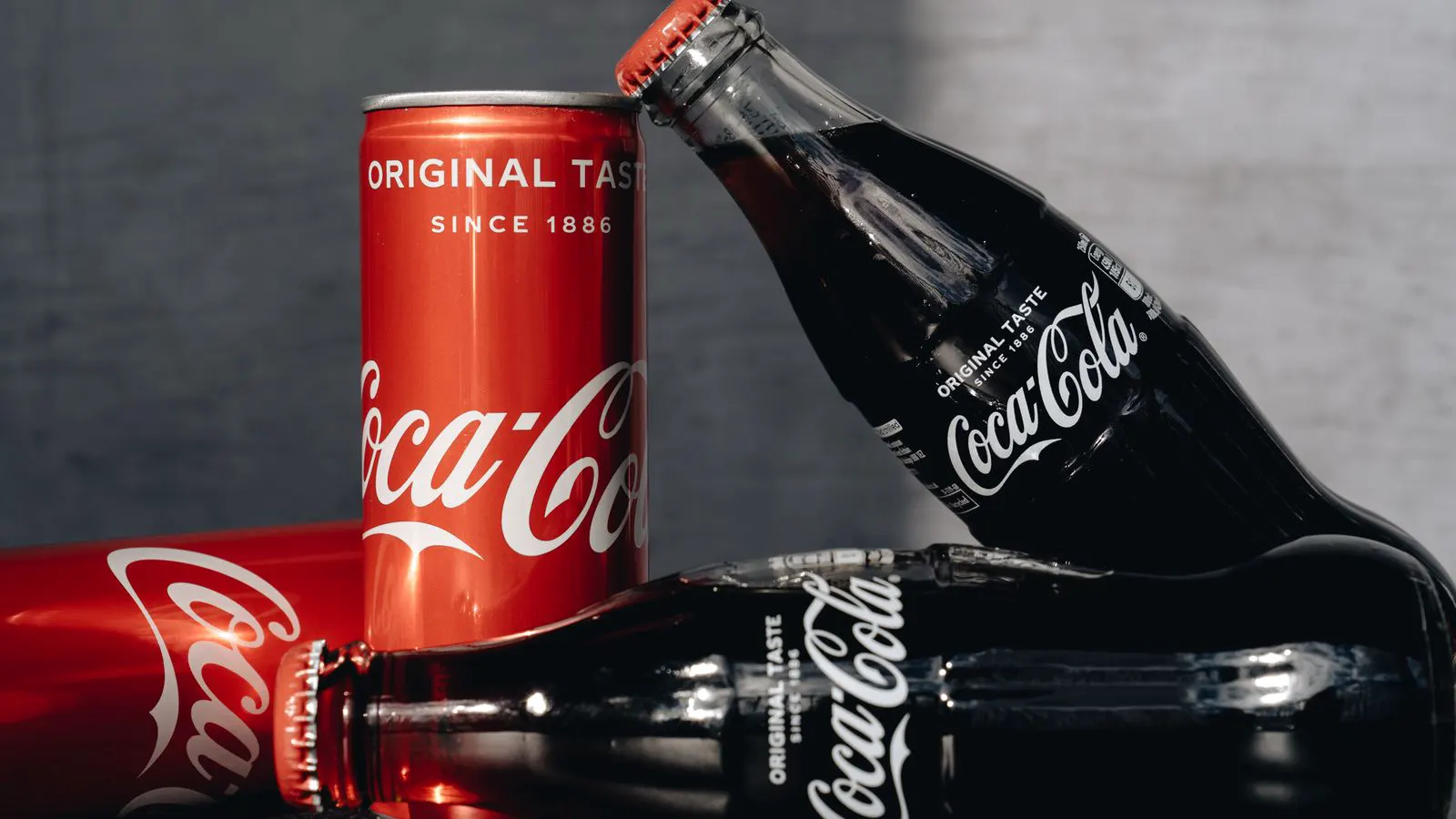
Glass Bottles
Glass vs Aluminum: Strength and Recyclability
Glass excels in barrier protection and structural rigidity, while aluminum offers higher strength-to-weight and easier recycling. The right choice depends on product
Explore types, strengths, and uses of glass bottles for packaging, including design options and material properties.
Glass excels in barrier protection and structural rigidity, while aluminum offers higher strength-to-weight and easier recycling. The right choice depends on product
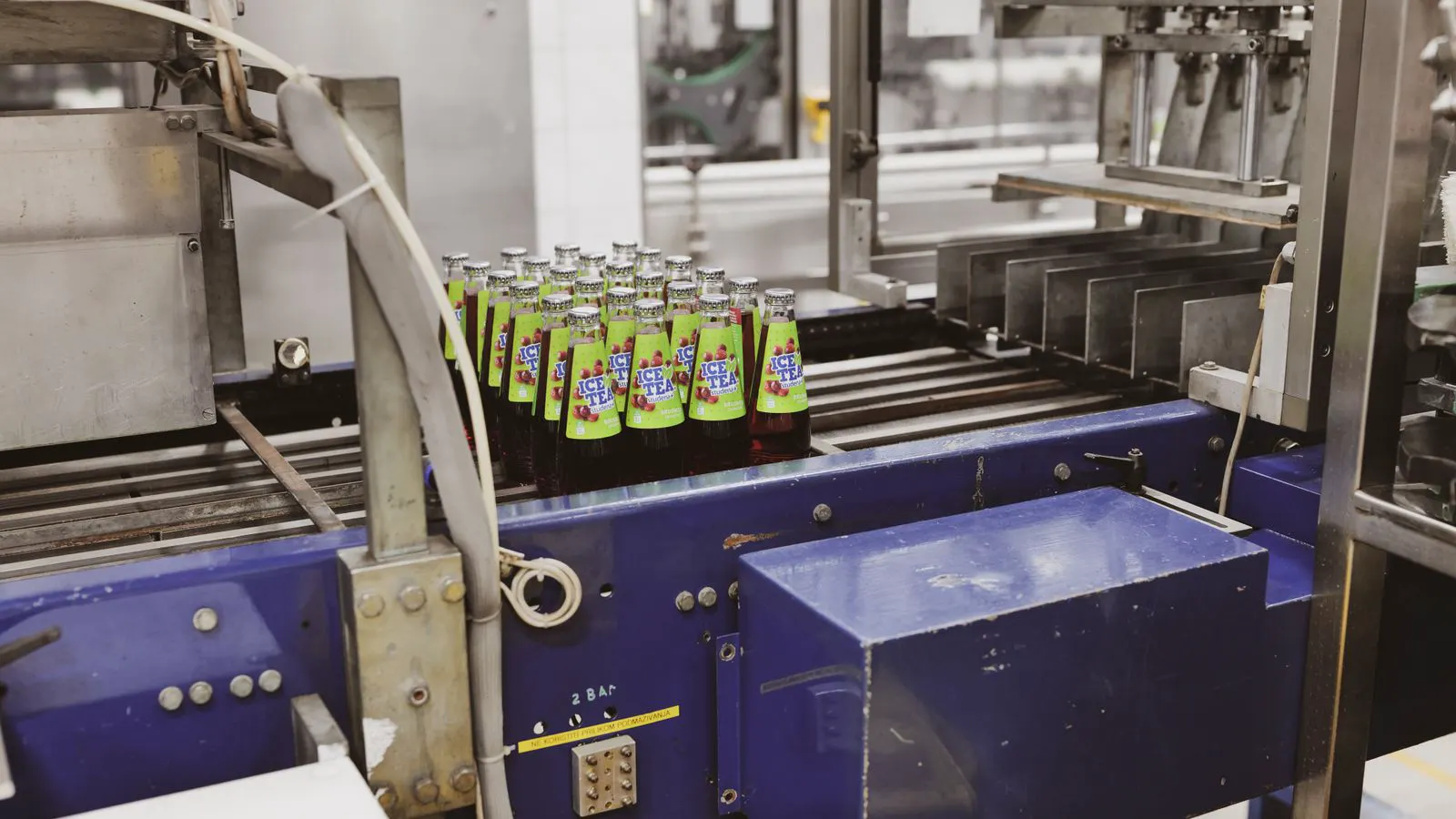
Glass bottle cost depends on shape, thickness, glass type, and finishing. Production lead time varies by mold complexity and supplier capacity. A clear RFQ with precise
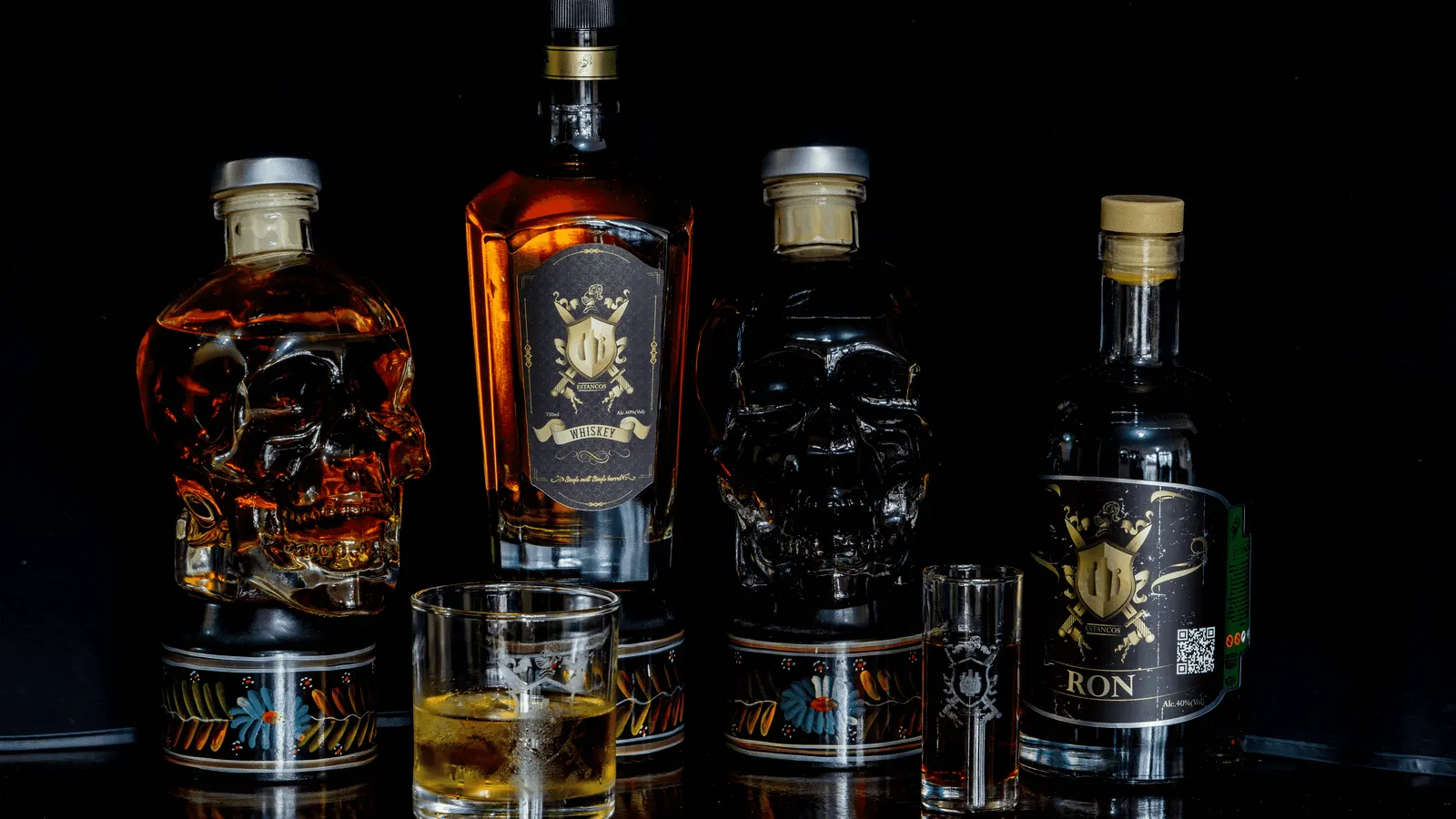
Future glass bottle design is moving toward lighter walls, more uniform profiles, recyclable closures, and lines that reduce energy. Buyers should test prototypes

Glass container packaging offers superior barrier protection and reusability but carries weight and fragility risks. Plastic offers lightweight flexibility. Metal offers
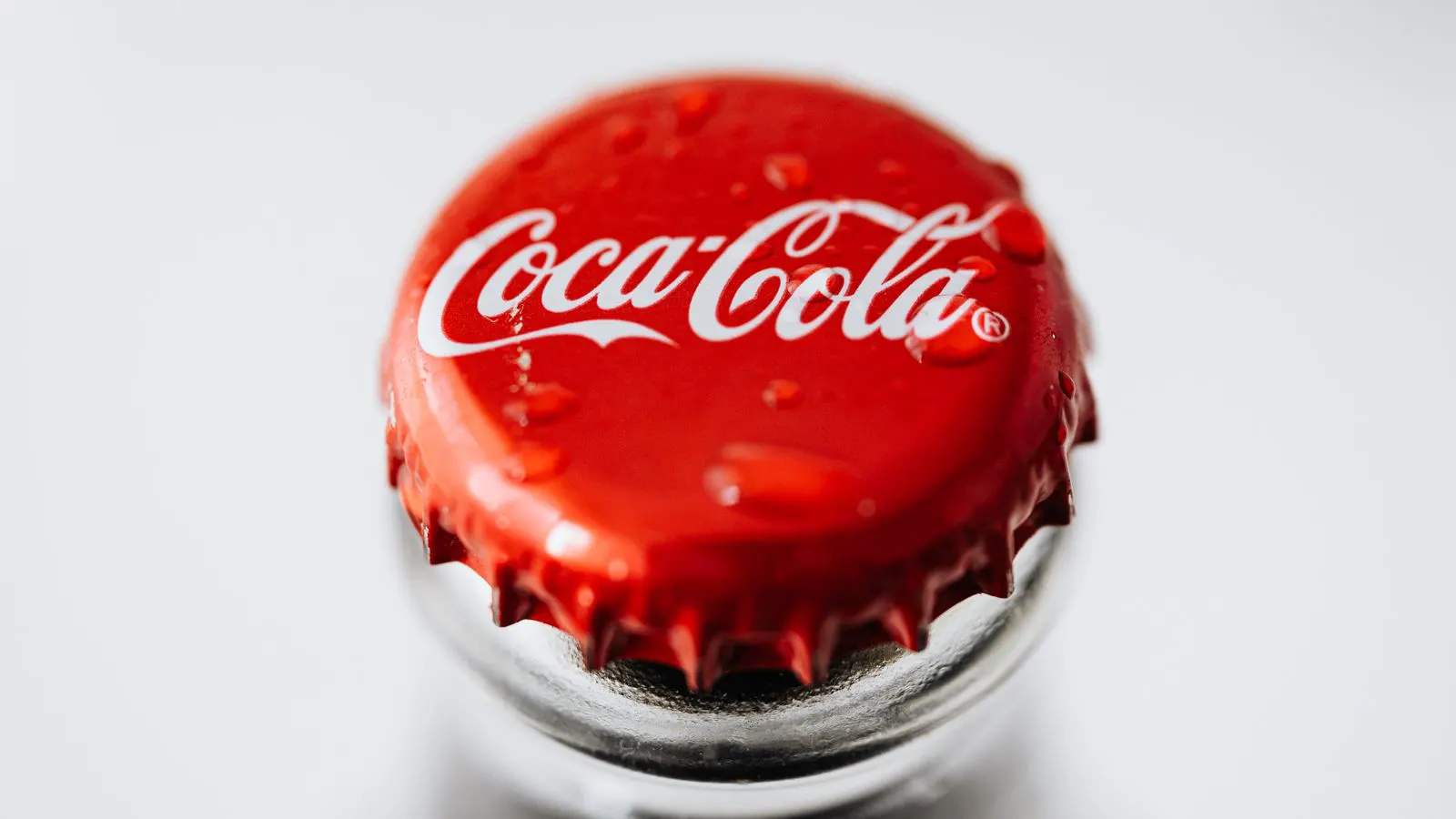
Glass bottle sealing failures trace to a few common causes: cap mismatch, liner damage, thread damage, or improper closure force. Fix these by verifying cap

A structured glass bottle inspection checklist covers visual checks, physical tests, and documentation. This guide helps teams verify defect detection and quality
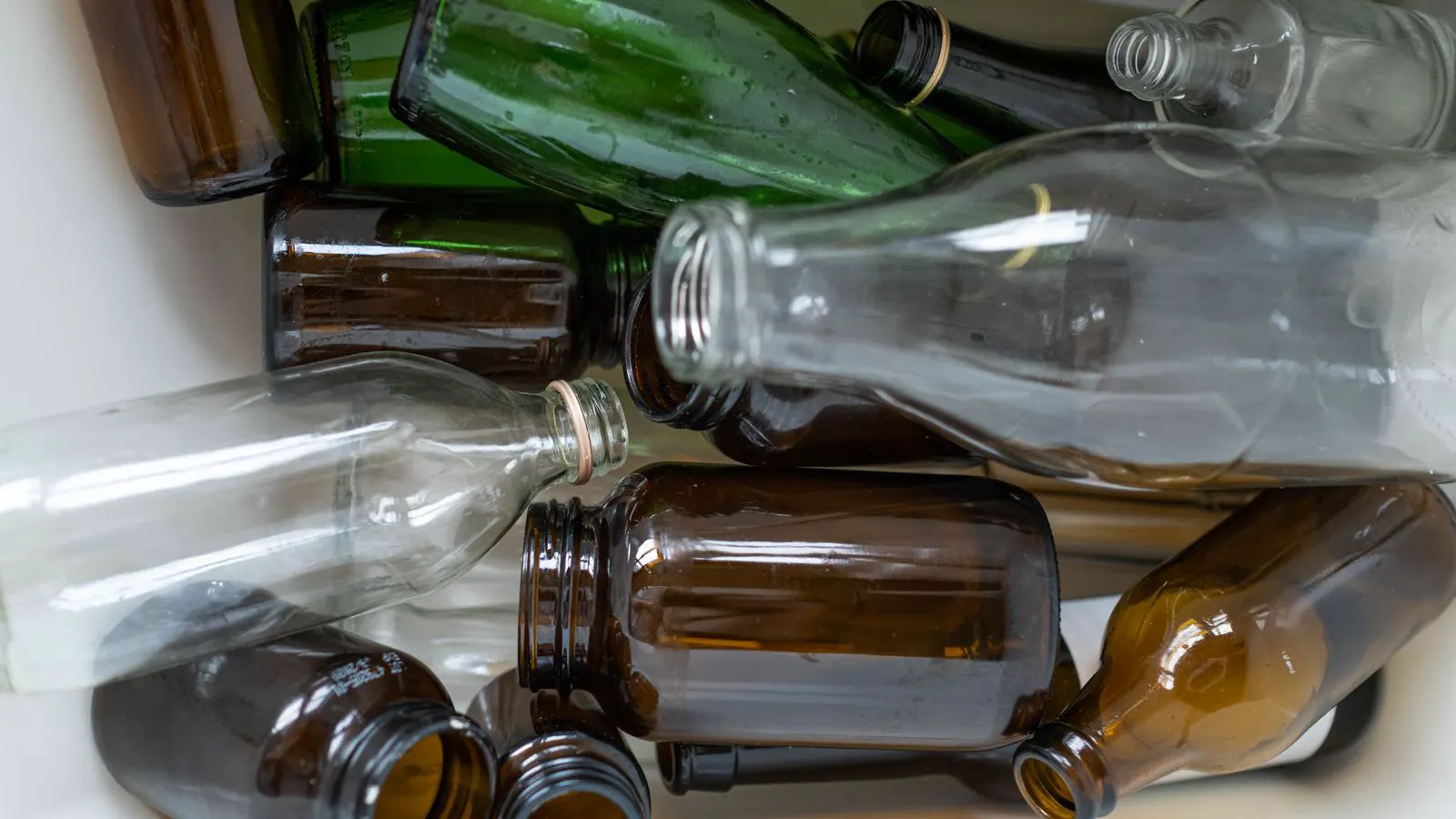
Use this glass bottle selection guide to evaluate food grade glass for regulatory compliance. Check material composition, chemical resistance, regulatory documentation
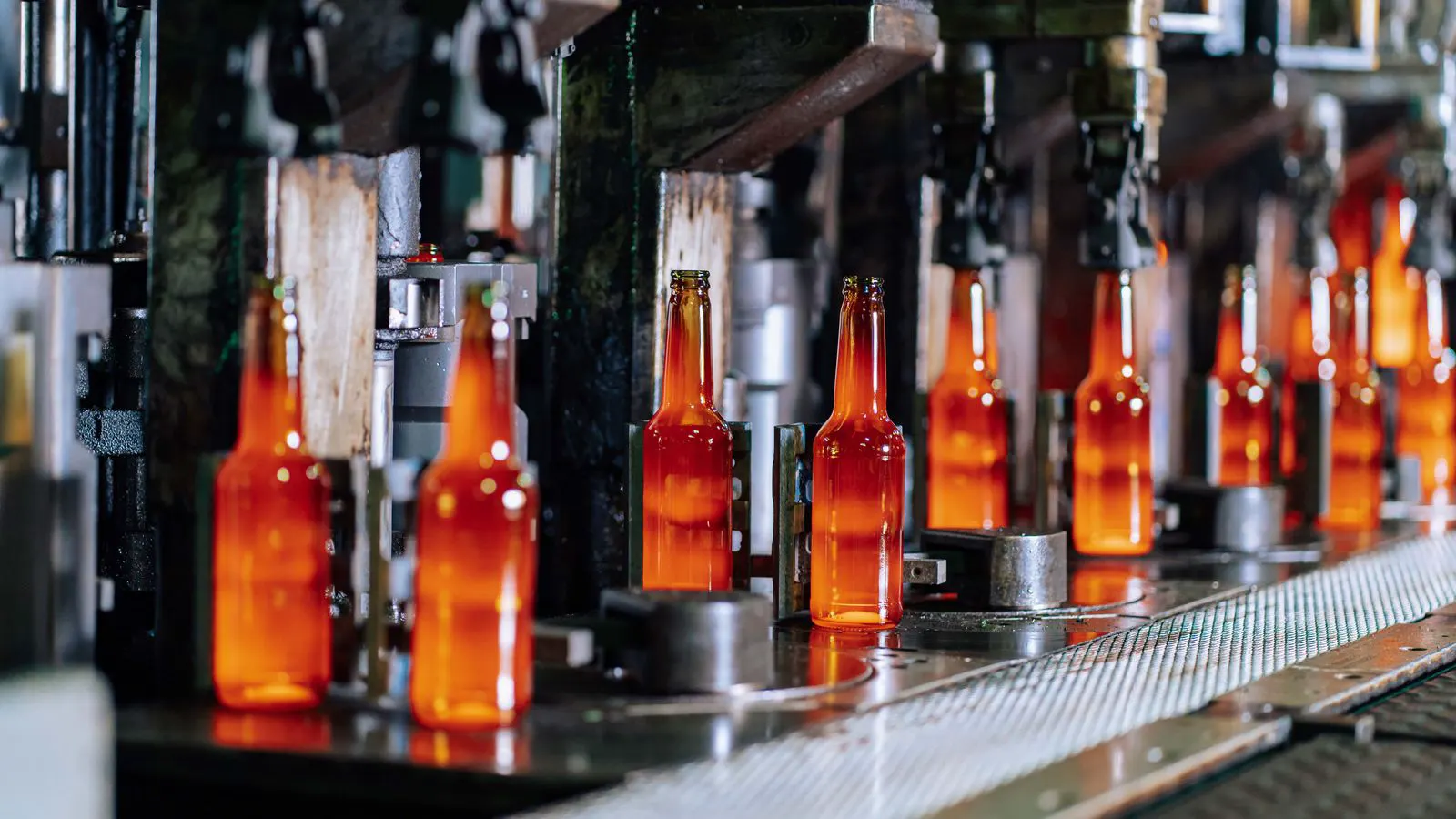
Glass bottle material selection depends on chemical composition. Soda lime glass suits mass market beverage packaging due to cost and color options. Borosilicate glass
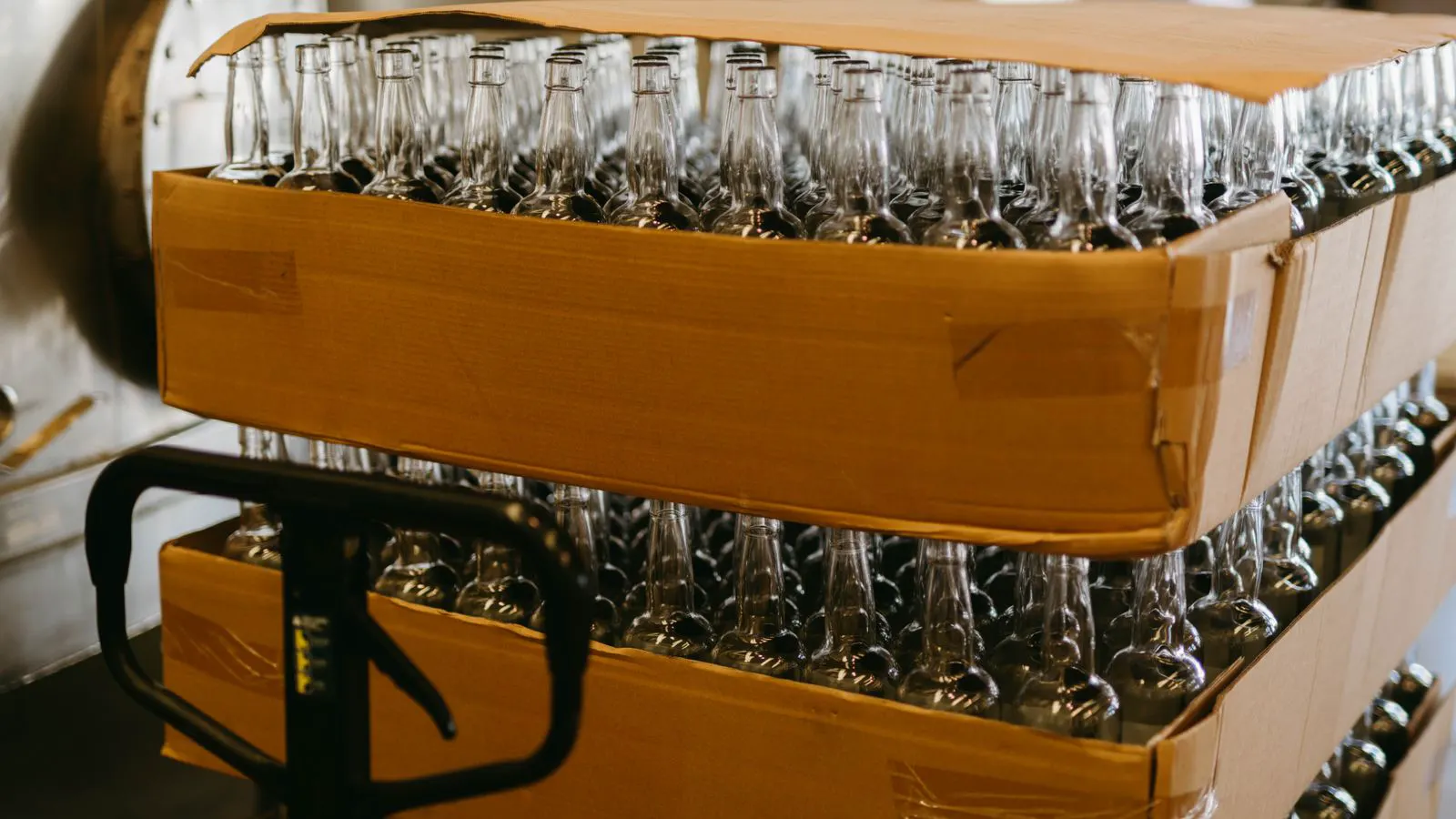
Proper glass bottle sizing requires measuring neck dimensions, base geometry, and height to match filling nozzles, capping heads, and conveyor infeed. Verify