Use this glass bottle selection guide to evaluate food grade glass for regulatory compliance. Check material composition, chemical resistance, regulatory documentation, and design compatibility with your filling and labeling processes.
- Define your regulatory scope before selecting glass, as food grade glass requirements differ by market and product type.
- Verify that the glass manufacturer provides material declarations and compliance documentation for every shipment.
- Match neck size, weight, and shape to your filling lines to prevent breakage and reduce changeover time.
- Test glass against the specific acids, fats, or solvents in your formulation to confirm long term chemical resistance.
- Review packaging and labeling clearance before committing to a final bottle profile.
Selecting the right container for a food product requires more than picking a shape that fits the label. The glass must protect the product, survive the filling line, and satisfy the legal requirements of every market where the package will be sold. This guide provides a framework for evaluating candidates against those demands.
Define the regulatory scope first
Regulatory compliance shapes every technical decision you make. The rules governing food contact materials vary by region and by the type of product inside. A bottle for a mild beverage and a bottle for an acidic wine face different chemical migration limits and material restrictions.
Start by listing every destination market. For each market, identify the applicable food contact regulations and any product specific rules. Some jurisdictions require a formal notification or registration of the material before sale. Others rely on supplier declarations and general safety principles. You may also find that certain product categories, such as infant formula or medicinal beverages, trigger stricter review processes than standard table wines or juices.
Document these requirements in a single sheet. This sheet becomes the baseline for every supplier conversation and every technical data sheet you receive. Without this baseline, you risk accepting a supplier’s general statement of compliance when you actually need a specific test report for the exact composition of your product.
When you talk to a glass manufacturer, bring this sheet with you. Ask them to map their material declarations directly to your destination markets. If a supplier cannot provide a specific declaration for a target region, treat that as a red flag. A generic document that covers multiple markets may not satisfy the legal scrutiny of a stricter one.
Evaluate the glass material itself
Food grade glass is defined by its composition and stability. Most food contact bottles use soda lime glass, which is the standard for everyday beverage and condiment packaging. Borosilicate glass is used where higher heat resistance or specific chemical resistance is required, though it is less common in high volume bottling due to cost and processing differences.
Look at the material declaration provided by the glassmaker. It should identify the glass type, the source of any recycled content, and the specific composition if available. Recycled glass, or cullet, is widely used and generally accepted in food applications, but the percentage and source matter for consistent color and strength. High percentages of cullet can introduce color variations and require adjustments in the melting process to maintain optical clarity.
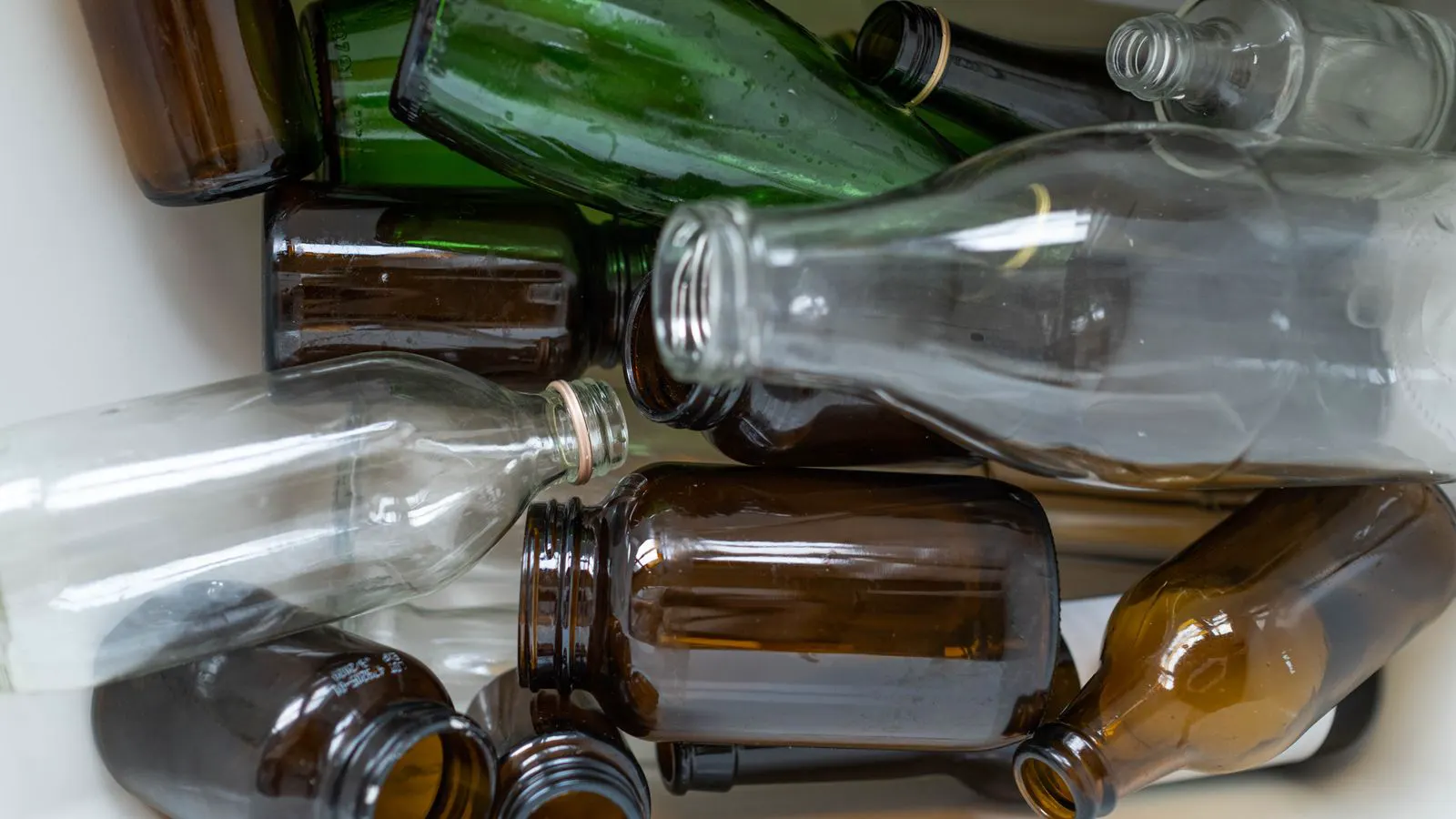
The color of the glass affects light protection. Clear glass allows maximum visibility but offers little protection against UV degradation. Amber or green glass filters specific wavelengths of light, which is useful for products sensitive to photodegradation. Match the glass color to the product’s light sensitivity. For example, a light sensitive oil may perform better in a green bottle than in a clear one, even if the brand aesthetic prefers transparency.
Also consider the viscosity of the glass melt during manufacturing. Some compositions require higher melting temperatures to achieve the desired clarity and strength. This affects the energy cost of production and the speed at which bottles can be formed. If you are sourcing from multiple suppliers, ask about their melting processes to ensure consistency in the final product’s appearance and durability.
Check chemical resistance for your formulation
Glass is generally inert, but extreme formulations can still cause issues. Highly acidic liquids, concentrated alkalis, and certain solvents may attack glass over time. The risk is usually low for standard food formulations, but it is not zero.
Run a compatibility check with your supplier. Provide the formulation details, including pH and any special additives. Ask for a specific recommendation on glass type and whether a liner or coating is needed. For most juices, oils, and beverages, standard soda lime glass is sufficient. For products with unusual chemistry, ask for test data or a written compatibility confirmation.
A specific example involves citrus juices. While most clear glass bottles handle 100 percent orange juice without issue, some formulations with high acidity or added citric acid may require a thicker glass wall or a specific surface treatment to prevent micro-cracking over long shelf life periods.
Also consider the closure. The glass neck must work with the closure material. Some closure materials require a specific glass surface treatment or finish. Mismatched necks and closures can lead to leakage or poor seal integrity. For instance, a PET closure may not seal as effectively on a glass bottle with a very smooth, polished neck compared to one with a standard textured finish. Always verify the interface between the glass and the closure.
Review design and production compatibility
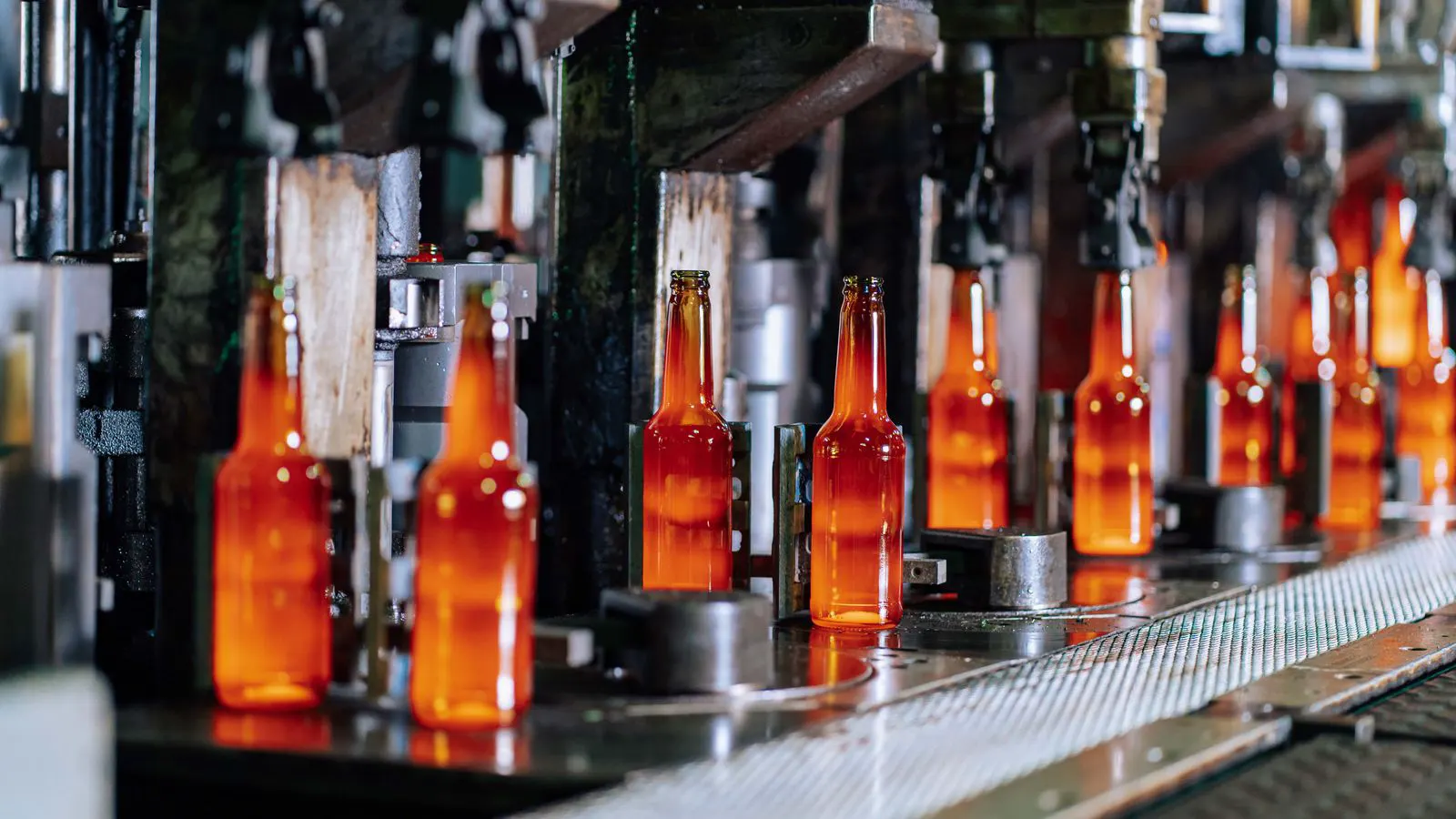
How a bottle is shaped affects how it moves through the filling line. The neck diameter determines the filling head size and the speed at which the bottle can be filled and capped. A narrow neck may require slower filling speeds to avoid splashing or foaming.
Consider the bottle weight. Heavy bottles are durable but increase shipping costs and breakage risk. Lighter bottles save on logistics but may require thicker walls to maintain strength. The glassmaker can provide weight options for each shape. A 300 milliliter bottle can range from a heavy, thick-walled design to a lightweight, thin-walled one. The difference in weight can be significant per unit, which adds up over thousands of liters of product.
The shoulder and base design affect stacking and palletizing. A flat, stable base with sufficient friction prevents bottles from sliding during transit. The shoulder should support the cap without creating a stress point that could crack under pressure or thermal shock. If your product is carbonated, the base must be able to withstand the internal pressure of the gas. A weak base will eventually fail under constant pressure, even if the bottle looks fine during transport.
If your production line already uses specific filling heads, cap applicators, or inspection systems, bring those specifications into the selection process. Changing these machines to fit a new bottle shape is often more expensive and disruptive than choosing a bottle that fits the existing line. For example, a rotary filling machine may have a fixed diameter for the filling nozzles. If you switch to a bottle with a different neck size, you may need to replace the entire filling head assembly.
Assess durability and handling
Glass is brittle. It will break if dropped, crushed, or subjected to rapid temperature changes. The wall thickness and base design must withstand the handling stresses of your facility.
Check the drop test specifications. Ask the supplier for the drop height and surface type tested. A bottle that passes a low drop test may fail on a rough floor. If your facility uses automated handling, verify that the bottle profile is compatible with the grippers and conveyors. A bottle with a complex shape, such as a faceted base or a narrow neck, may be difficult for standard grippers to hold securely, leading to drops and breakage.
Thermal shock resistance is another factor. If bottles are filled with hot liquid or cooled rapidly, the glass must withstand the temperature swing. Borosilicate glass handles thermal stress better than soda lime glass, but standard soda lime glass is generally sufficient for most filling temperatures. However, if you are filling a bottle with liquid at 90 degrees Celsius and then immediately placing it in a cold environment, you need to test the specific temperature differential. A glass that handles the filling temperature may still crack during the cooling phase.
Also consider the impact of storage conditions. If your bottles are stored in a warehouse with fluctuating temperatures, the glass must handle those cycles. Frequent temperature changes can cause stress in the glass, leading to hairline cracks that may not be visible but can weaken the bottle over time.
Confirm documentation and supply continuity
Regulatory compliance is not just about the glass composition. It is about the paper trail. You need a material safety data sheet, a food contact compliance declaration, and the specific test reports that prove the material meets your market requirements.
Ask the supplier for a written declaration of compliance that references the relevant regulations. This document should be available for every batch or at least for the specific glass composition used. Keep these documents in your quality system. If you do not have the right documents, you may face difficulties during a market inspection or a customer audit.
Supply continuity is a practical concern. Glass is manufactured in large batches, and color and shape changes can take time. Confirm that the supplier can maintain a consistent color and weight over the production run. A shift in glass color, even a subtle one, can affect the final look of the package and require rework. For example, a slight change in the amber shade of the glass may not be detected by the supplier’s quality control but may be noticeable to your customers, leading to returns and brand damage.
Also ask about the supplier’s capacity. If you have a sudden increase in demand, can the supplier scale up production without changing the glass composition or the bottle shape? A supplier that can only produce small batches may not be able to support your growth, forcing you to switch suppliers and risk consistency issues.
Criteria for choosing a supplier
Use the table below to compare potential suppliers and bottle designs. This table helps you standardize your evaluation process.
| Criterion | What to look for | Why it matters |
|---|---|---|
| Regulatory documentation | Written compliance declaration, material safety data sheet, and test reports for your specific market. | Allows you to prove food safety and meet legal requirements in every destination. |
| Chemical compatibility | Supplier confirmation that the glass is resistant to your formulation’s pH and additives. | Prevents leaching, degradation, or product quality loss over the shelf life. |
| Production compatibility | Neck size, weight, and shape that match your existing filling heads, cap applicators, and conveyors. | Minimizes line stoppages, changeover time, and equipment modification costs. |
| Durability | Wall thickness, base design, and drop test results that match your handling environment. | Reduces breakage, waste, and shipping damage during internal handling and transit. |
| Supply consistency | Ability to maintain consistent color, weight, and batch quality over time. | Ensures a uniform product appearance and avoids quality disputes with customers. |
| Closure compatibility | Confirmation that the glass neck works with your chosen closure material and sealing method. | Prevents leakage and ensures the cap seals properly every time. |
Final decision checklist
Before ordering, run through this checklist. Each item must be confirmed before you commit to a supplier.
- Regulatory compliance documents are available for every target market.
- The glass material is confirmed compatible with your formulation’s chemical profile.
- The bottle shape, neck size, and weight fit your production line equipment.
- The glass passes durability tests relevant to your handling and shipping conditions.
- The supplier can provide consistent color and quality across the entire production run.
- The closure is compatible with the glass neck and provides a reliable seal.
- A sample bottle has been tested for fill, cap, and stability in your actual process.
If any item is not confirmed, pause the selection process. Solving a problem after the first production run is more expensive and disruptive than fixing it during the selection phase.
Frequently asked questions
Does the glass color affect regulatory compliance?
No, the color itself does not change the compliance status of the glass. However, the pigments used to color the glass must also meet food contact standards. Always confirm that the specific colored glass is approved for food use.
Can I use the same glass bottle for different food products?
Yes, provided the glass is compatible with the chemical profile of each product. A bottle used for a mild beverage may not be suitable for a highly acidic product without verification. Always check compatibility for each new formulation.
How do I verify that the glass is truly food grade?
Request a written food contact compliance declaration from the supplier. This document should reference the relevant regulations and confirm that the glass composition meets the requirements. Do not rely on verbal assurances.
What is the best glass weight for food bottles?
There is no single best weight. The ideal weight balances durability against shipping cost. Heavier glass is more resistant to breakage but increases logistics costs. Lighter glass saves money but requires careful design to maintain strength. Match the weight to your handling and shipping conditions.
Do I need to test the glass for every new product?
If the new product has a different chemical profile than previous products, yes. If the formulation is similar to a product you have already used, you may be able to rely on previous compatibility data. When in doubt, request a written confirmation from the glass supplier.