
Materials & Compliance
Checklist for Inspecting Container Seals and Closures
This guide provides a structured audit checklist for container seal inspection. It covers visual checks, closure fit, torque verification, and documentation review to
Understand materials, safety, and regulatory requirements for bottles and containers used in food, beverage, and other sectors.
This guide provides a structured audit checklist for container seal inspection. It covers visual checks, closure fit, torque verification, and documentation review to
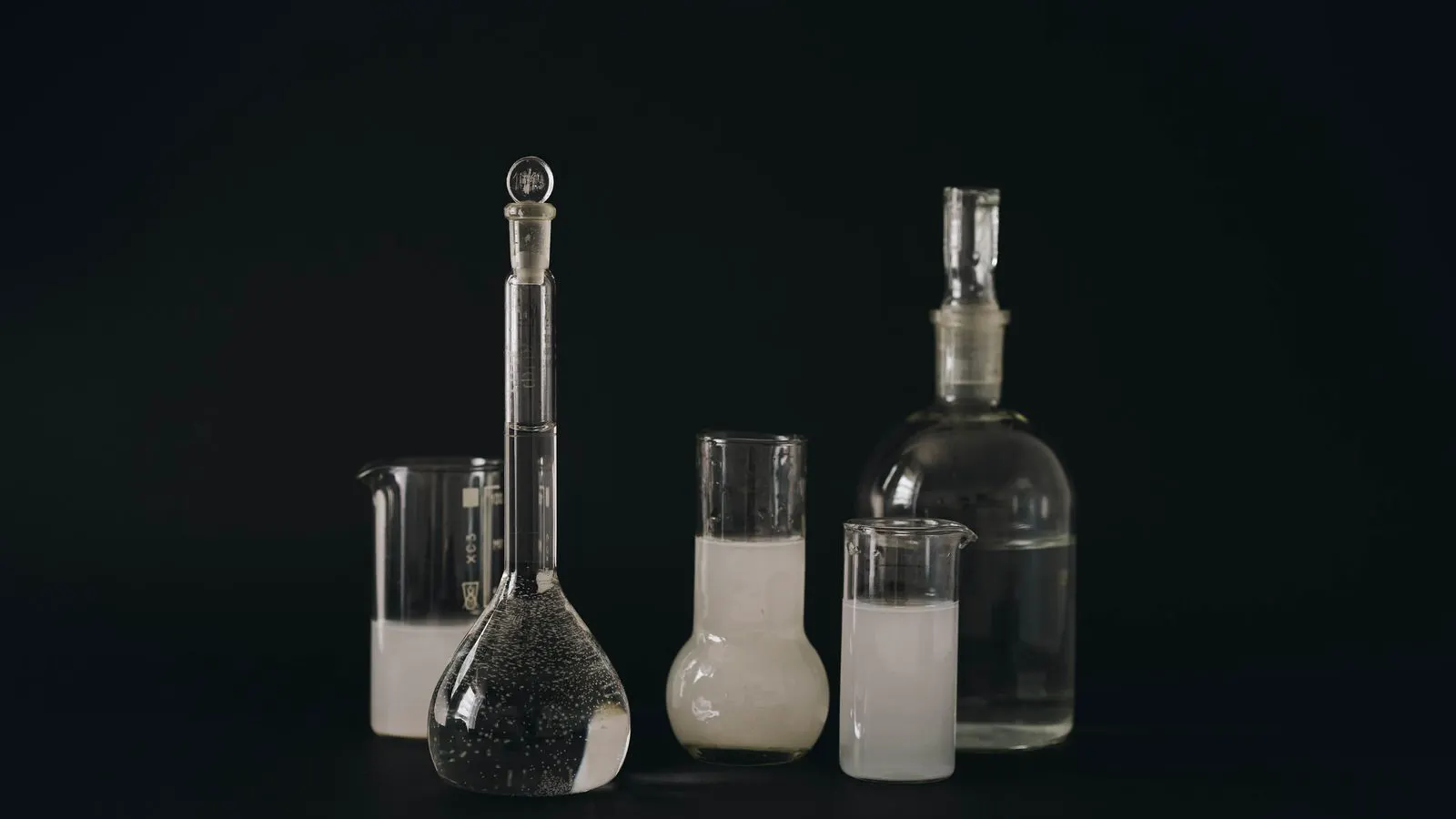
Validate jar material certifications by checking issuing bodies, scope of materials, and jurisdiction. Request raw data sheets, test reports, and declarations.
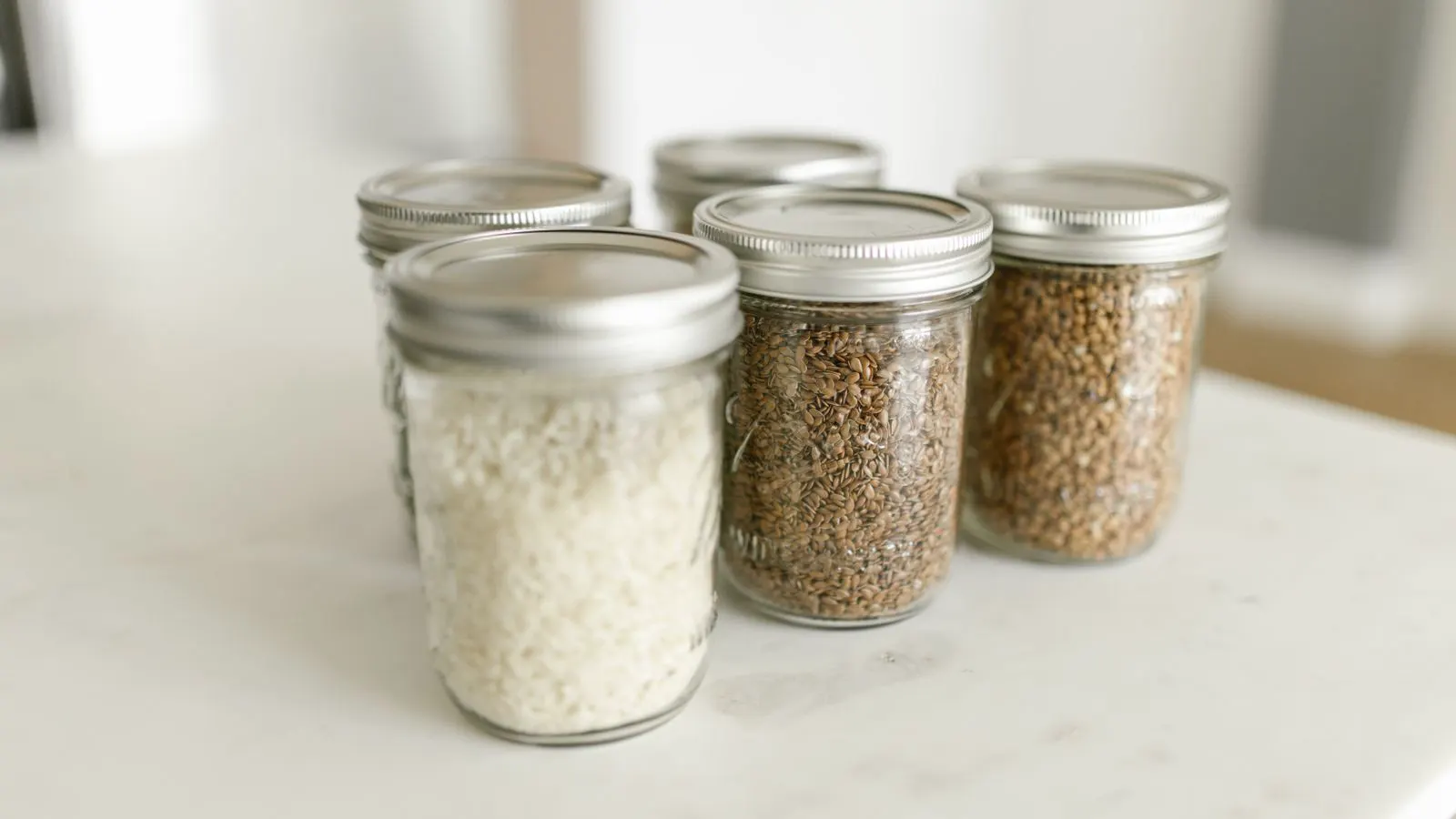
PET jars resist impact and weigh less, while glass jars offer superior chemical resistance and barrier performance. Choose based on structural demands, shelf-life

Food contact materials regulations set legal rules for substances in packaging that touch food. They define scope, testing, labeling, and approval. Understanding these
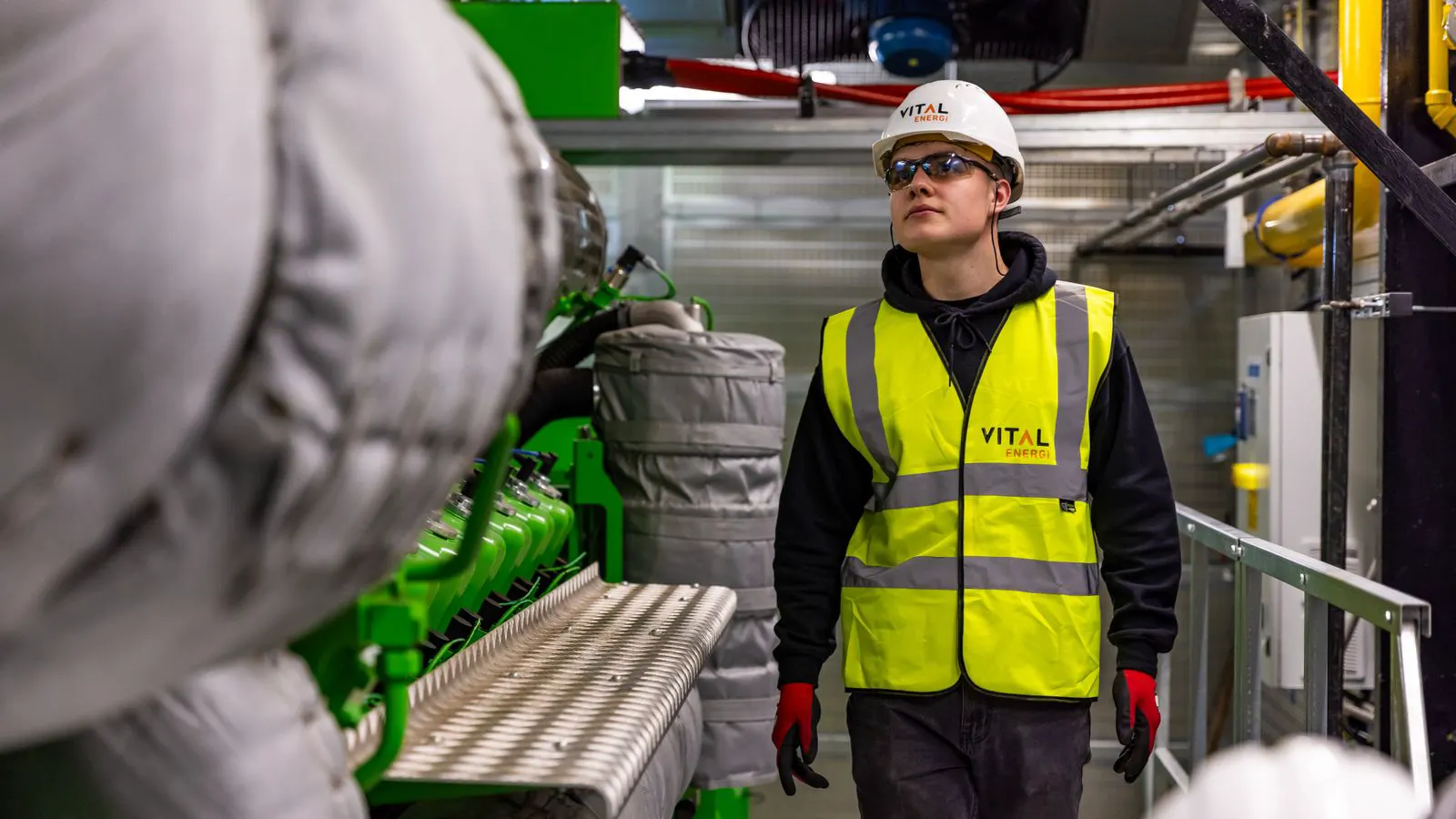
A pre-production checklist for container safety helps buyers verify material compliance, testing records, and process controls before production. It covers raw material
Verify import compliance by matching container materials to destination regulations, confirming supplier certificates, and validating customs documentation. This process
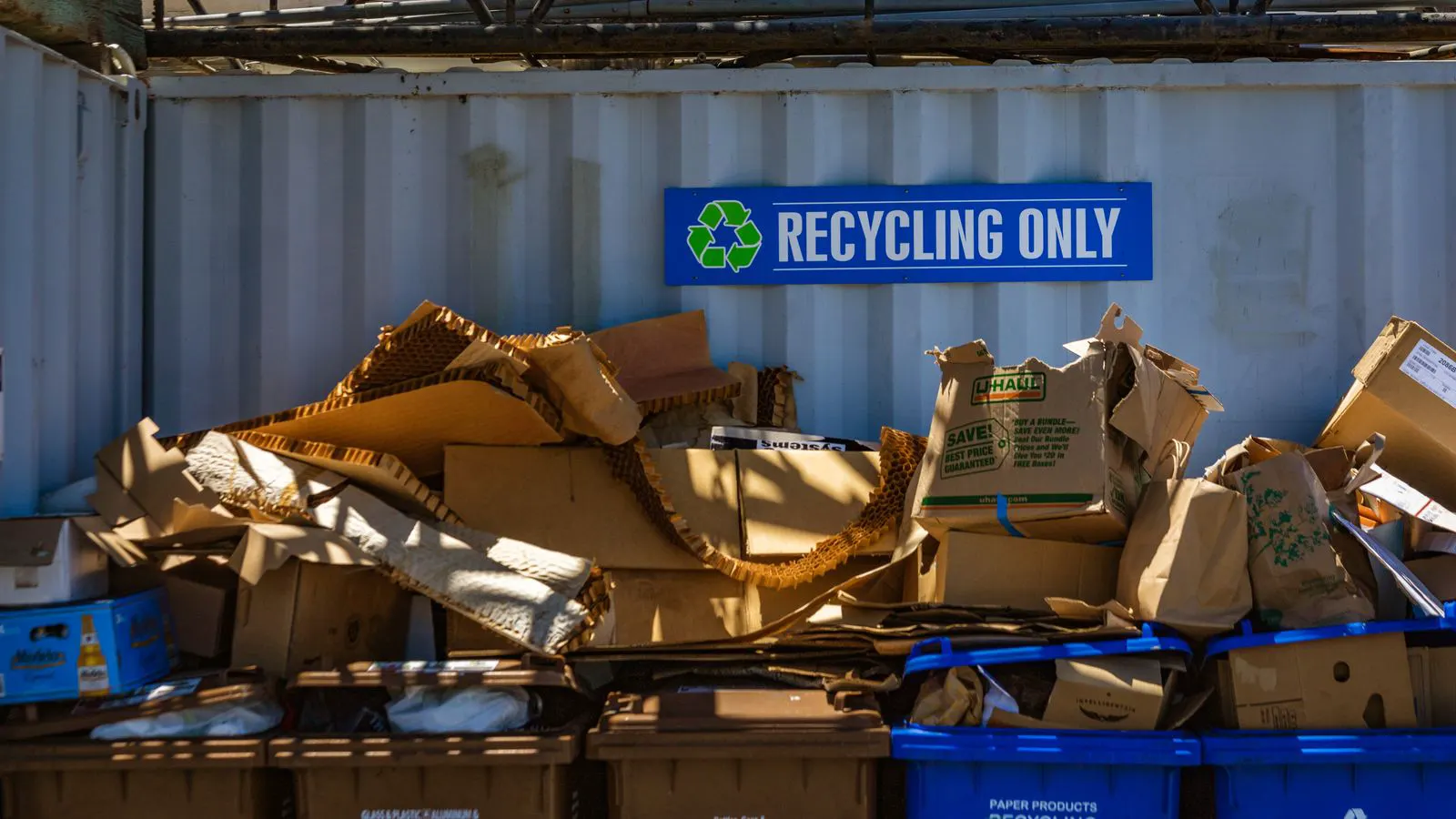
Container materials are shifting toward recyclable options, lower carbon footprints, and design for recovery. This guide outlines five shifts buyers should plan for
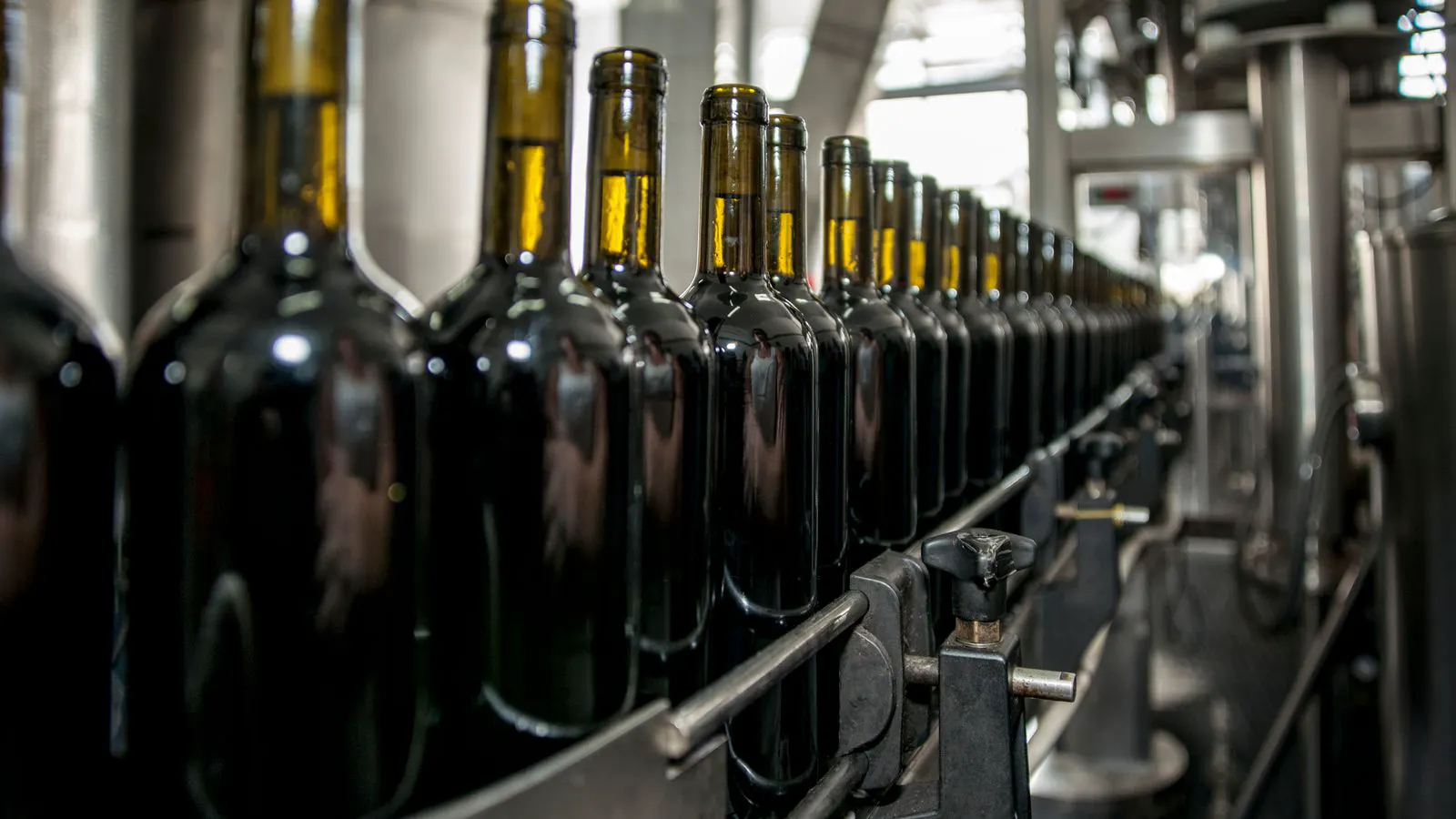
Metal contamination in plastic bottles usually traces to worn machinery, loose parts, or poor cleaning. Fix it by replacing worn components, using magnetic separators
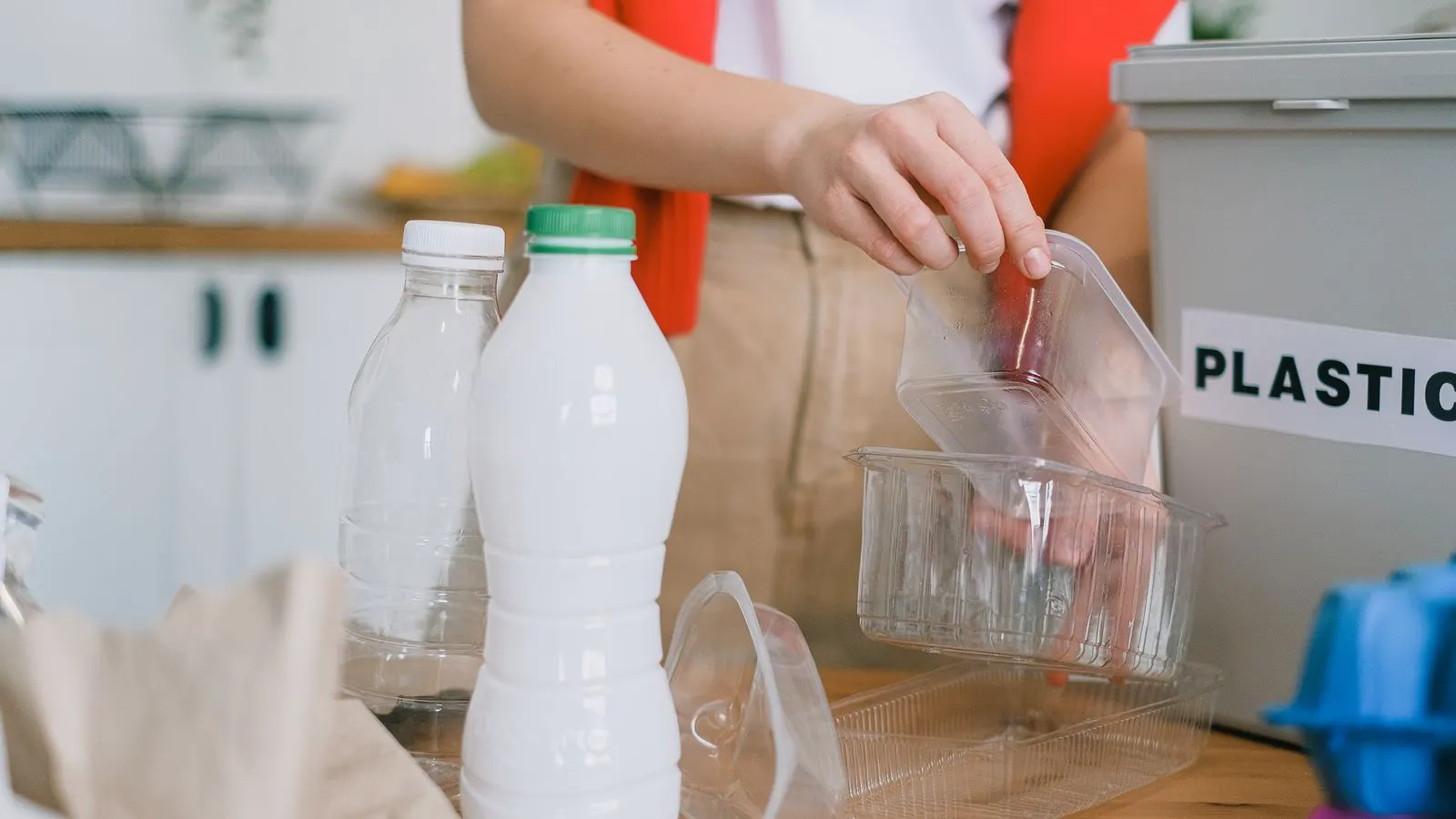
This guide provides a structured framework for selecting FDA compliant containers. It covers material compatibility, regulatory documentation, and testing requirements
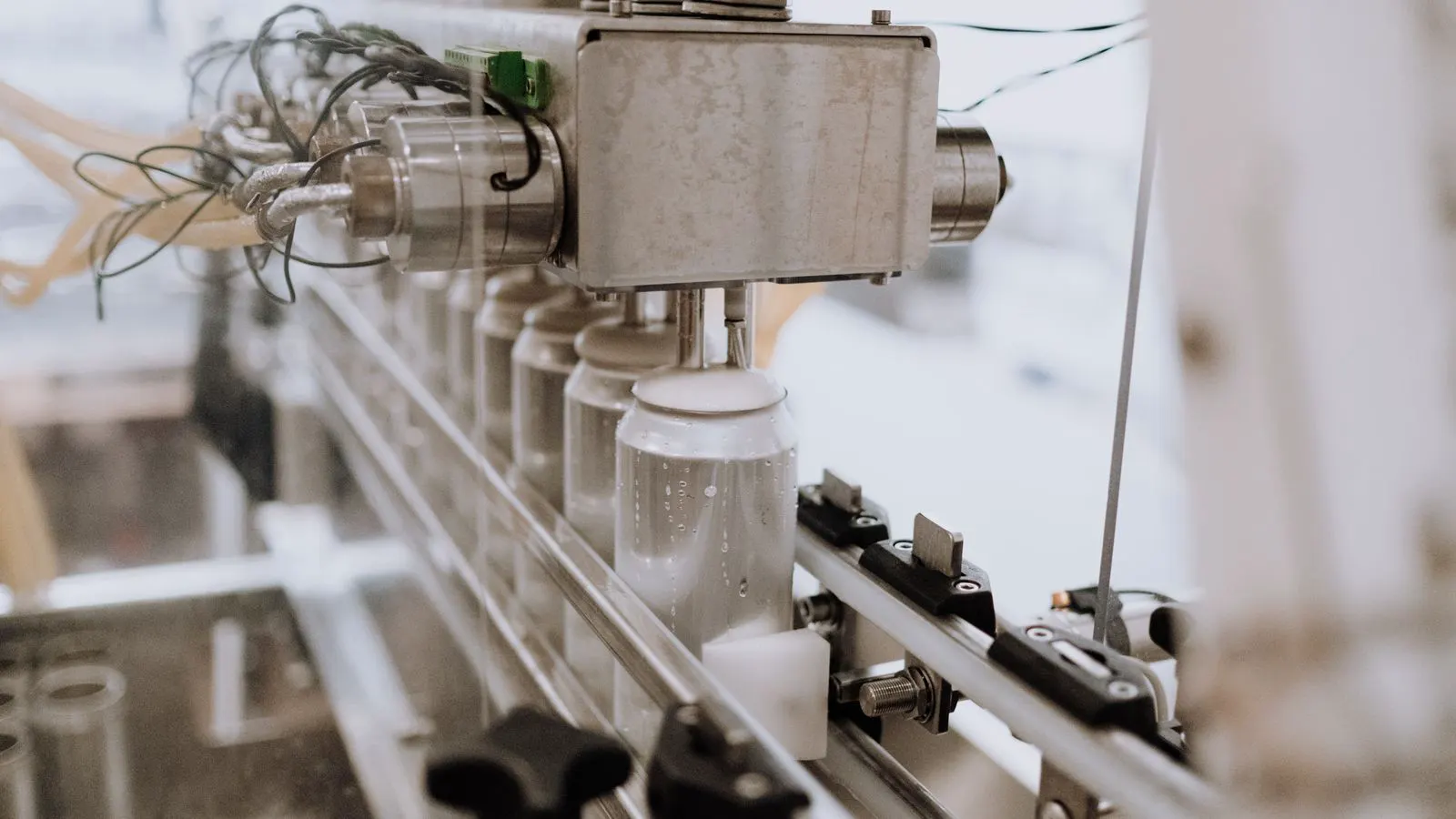
Aluminum container lead time depends on design finality, tooling, material sourcing, and finishing. Procurement costs rise with complex shapes, tight tolerances, and

Glass offers superior barrier protection and infinite recyclability but adds weight and shatter risk. PET provides lightweight flexibility and lower transport costs but