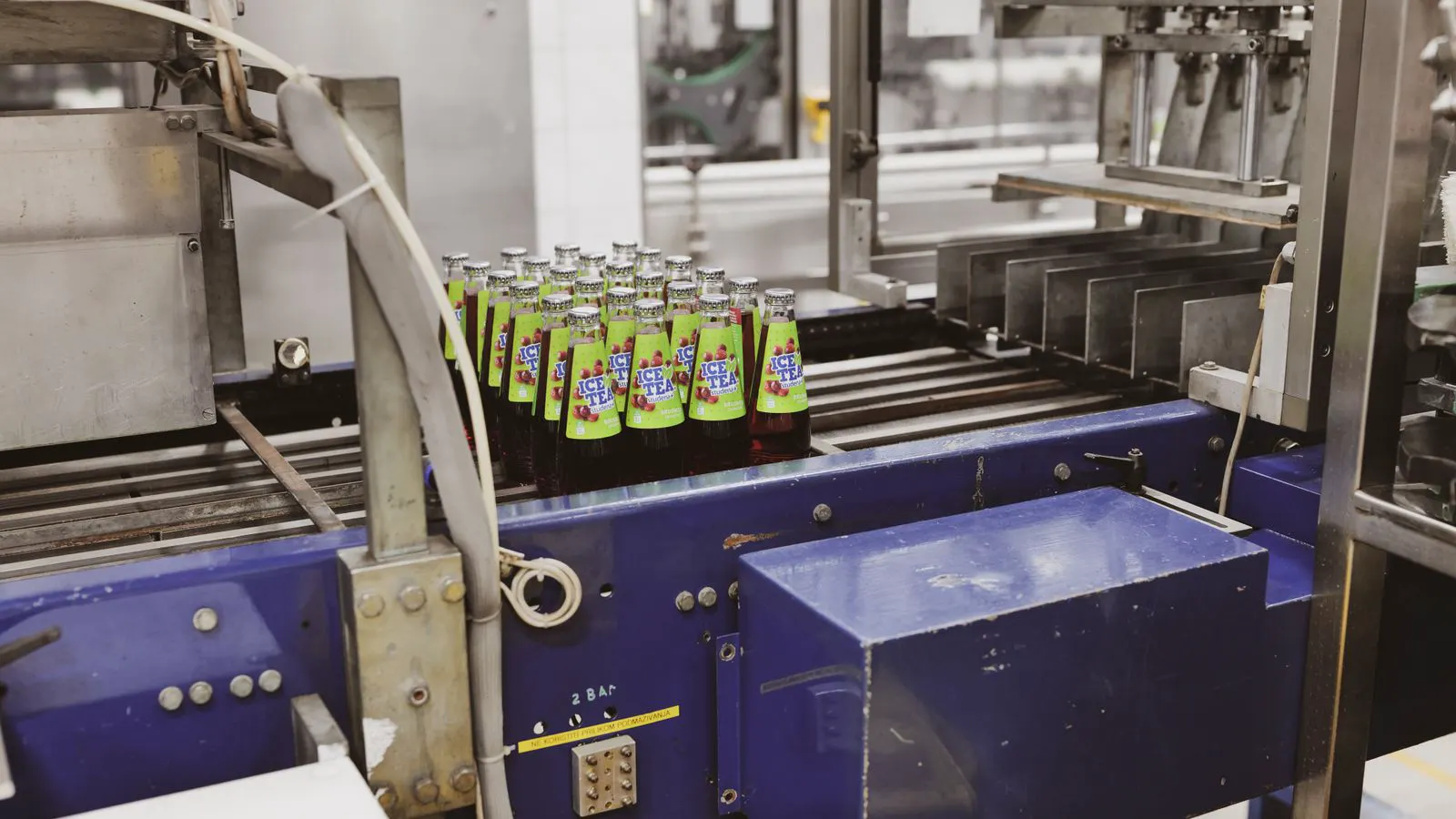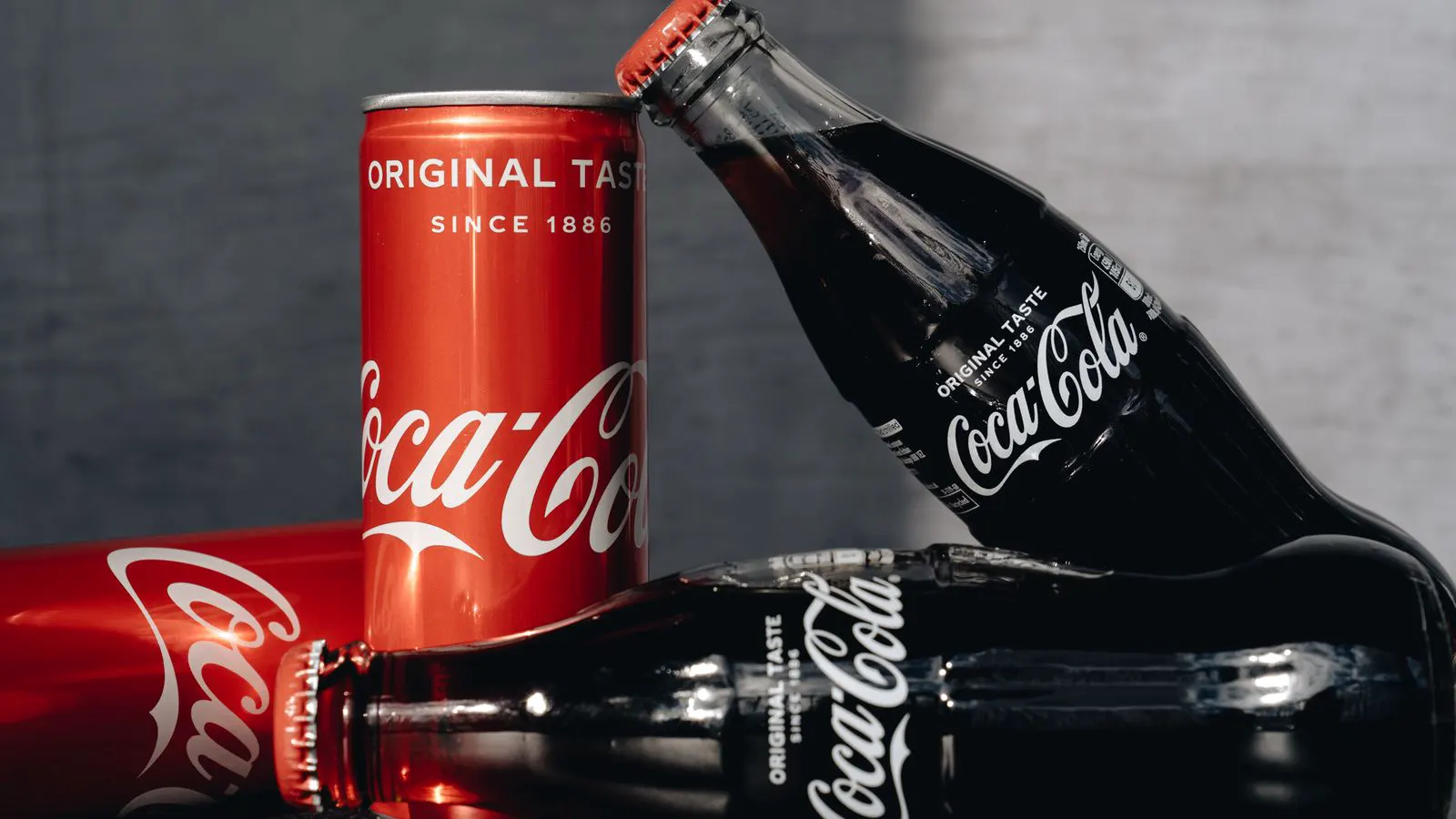
Glass excels in barrier protection and structural rigidity, while aluminum offers higher strength-to-weight and easier recycling. The right choice depends on product type, logistics, and end-of-life targets.
- Glass provides superior chemical and light resistance but has high breakage risk during transport.
- Aluminum offers a high strength-to-weight ratio and requires less energy to recycle than glass.
- Recyclability depends on collection infrastructure, not just material purity.
- Choose glass for premium or sensitive products; choose aluminum for lightweight, high-volume logistics.
- Always test both materials against your specific product, fill volume, and handling conditions.
Structural performance of glass versus aluminum
Glass is a rigid, brittle material. It does not bend. Once it exceeds its compressive or tensile limit, it fractures. The fracture pattern is usually sharp, which creates handling hazards for warehouse staff and end users. Aluminum is ductile. It deforms plastically before failing. This gives it a higher tolerance for impact, vibration, and uneven stacking.
For a standard beverage container, a glass bottle can withstand internal pressure well. The shape, especially the shoulder and base, is engineered to distribute force. However, the glass wall itself is thin to reduce weight. This creates a vulnerability at the rim and base. Aluminum cans and bottles rely on a different principle. They use a thin but ductile shell. The wall can absorb energy through controlled deformation. A dent in an aluminum can may not compromise the seal, though it can affect stacking.
The difference becomes clearer in transport. Glass bottles require careful stacking. If a pallet shifts, a glass bottle can crack at the neck or base. Aluminum containers can absorb that shock. They may dent, but they usually remain sealed. For fragile products like essential oils or pharmaceuticals, this distinction matters. A broken glass bottle creates a containment failure. A dented aluminum container may leak, but it is less likely to shatter into fragments.
Barrier properties and product integrity
Barrier performance is the main reason many premium products still use glass. Glass is essentially inert. It does not react with acidic, alcoholic, or aromatic contents over time. This makes it ideal for wine, spirits, olive oil, and certain food products. The glass wall blocks light completely, which preserves flavor and prevents photochemical degradation.
Aluminum also provides an excellent barrier. The metallized or anodized inner surface resists oxidation and reaction with most liquids. However, aluminum is less effective against UV light than glass. A standard aluminum can transmits some infrared and visible light. For light-sensitive products, this can be a problem. Many beverage manufacturers solve this by using opaque paint systems or adding a thin plastic liner. This adds cost and complexity.
Another factor is gas permeability. Glass has near-zero permeability to oxygen and carbon dioxide. This is critical for carbonated drinks and aged beverages. Aluminum is also a good barrier, but the quality of the internal coating determines performance. A poorly applied liner can allow oxygen to pass through the metal. This causes off-flavors and spoilage. Buyers should verify the barrier specification for both materials before committing to a production run.
Weight, logistics, and handling costs
Weight drives logistics costs. Glass is dense. A standard 330 milliliter glass bottle weighs significantly more than an equivalent aluminum can. This increases freight costs by road, rail, and air. It also increases the cost of palletizing and warehouse storage. The heft of glass means more labor for loading and unloading.
Aluminum is lightweight. The density of the metal is low compared to glass. This reduces freight charges and allows more units per pallet. In a high-volume distribution chain, this difference compounds over distance. A lightweight container also reduces the risk of injury to workers. Lifting a pallet of glass bottles is more physically demanding than lifting a pallet of cans.
However, weight is not the only logistical factor. Glass is fragile. This requires protective packaging. Cushioning, corner guards, and careful stacking all add cost. Aluminum is durable. It often requires less protective packaging. This can offset the initial material cost difference. For short-distance distribution, glass may be acceptable. For long-haul or air freight, aluminum usually wins on logistics efficiency.
Recyclability and end-of-life performance
Recyclability is often misunderstood. Both glass and aluminum are recyclable, but the processes and efficiencies differ. Aluminum can be recycled indefinitely without loss of quality. The energy required to recycle aluminum is a small fraction of the energy needed to produce it from raw bauxite. This makes it highly attractive from an environmental perspective.
Glass is also recyclable. However, the process is energy-intensive. Glass must be heated to very high temperatures to melt down. The energy cost is significantly higher than for aluminum. glass recycling depends on color separation. Mixed-color glass has a lower value in the recycling stream. Clear glass is preferred for many applications.
The real question is not whether the material can be recycled, but whether the collection system actually recycles it. In many regions, aluminum cans have high collection rates. They are lightweight and valuable, which encourages consumer participation. Glass bottles have lower collection rates in some markets. They are heavy and less valuable to processors. This reduces the environmental benefit. Buyers should check local recycling infrastructure before relying on material recyclability as a primary selling point.
Comparison table: key trade-offs
The table below summarizes the main differences. It covers strength, barrier performance, weight, and recycling.
| Option | Best for | Limitations |
|---|---|---|
| Glass | Premium products, light-sensitive liquids, high barrier needs | Heavy, fragile, high recycling energy cost |
| Aluminum | Lightweight logistics, high-volume distribution, impact-prone environments | Lower light barrier, coating quality dependent |
| Glass with plastic cap | Aromatic or acidic products | Cap seal failure risk, mixed material recycling |
| Aluminum with liner | Carbonated beverages, acidic drinks | Coating integrity, potential for off-flavors |
| Recycled glass content | Sustainable branding, closed-loop systems | Color separation, lower value in recycling stream |
| Recycled aluminum content | Low-carbon targets, high collection rate markets | Supply availability, coating compatibility |
When to choose glass
Glass is the right choice when product integrity is non-negotiable. For wine, spirits, olive oil, and certain pharmaceuticals, the barrier properties of glass are hard to match. The material does not leach or react. It preserves flavor and stability over the product life. The aesthetic appeal also matters. Glass can be molded into complex shapes and colors. It conveys a sense of quality and tradition.
Glass is also preferred when the product has a high margin. The higher material and logistics costs are easier to absorb. For small-batch or artisanal products, the cost difference is less significant. The consumer often pays a premium for the look and feel of glass. In these cases, the breakage risk is manageable with careful packaging.
When to choose aluminum
Aluminum is the better choice when logistics efficiency and durability are the priority. For carbonated soft drinks, energy drinks, and mass-market beverages, the lightweight nature of aluminum reduces costs. The durability allows for simpler packaging and faster handling. The high recycling rate in many markets also supports sustainability claims.
Aluminum is also suitable for products that need to be stored in hot environments. The ductility of the metal helps it withstand temperature changes without cracking. The internal coating can be engineered for specific chemical resistance. For products with a short shelf life, the barrier performance of a well-made aluminum container is sufficient.
Practical selection checklist
Choosing between glass and aluminum requires more than a material datasheet. Consider the full lifecycle.
- Define the product chemistry. Acidic, alcoholic, or aromatic contents may require a higher barrier.
- Evaluate the fill volume and shape. Complex shapes increase glass cost. Aluminum can be formed into many shapes, but complex profiles may be limited.
- Assess the logistics route. Long distances and high-volume shipments favor lightweight materials.
- Check the recycling infrastructure. Look at collection rates and processor demand in the target market.
- Test the seal. Both materials require a proper closure. A poor seal defeats the benefits of either material.
- Review the packaging design. Glass needs more protective packaging. Aluminum can often ship in simpler cartons.
- Verify the internal coating for aluminum. The coating must match the product chemistry and shelf life.
Common mistakes to avoid
Buyers often choose a material based on a single factor. Cost is a common trap. Glass may seem cheaper per unit in some markets, but the logistics and breakage costs can erase that advantage. Aluminum may seem more expensive, but the weight savings can offset it.
Another mistake is ignoring the closure. A glass bottle with a poor cap seal will leak. An aluminum can with a damaged liner will corrode. The container and the closure must be tested together.
Finally, do not assume recyclability equals environmental impact. The energy source for manufacturing, the distance to the recycling facility, and the collection rate all matter. A material that is highly recyclable on paper may have a poor real-world impact if it is not collected.
Final thought
There is no single winner in the glass versus aluminum debate. The best choice depends on the product, the market, and the supply chain. Glass offers unmatched barrier performance and aesthetic flexibility. Aluminum offers superior weight efficiency and ease of handling. Both are recyclable, but the practical recycling value depends on local infrastructure. The right decision comes from testing both materials against your specific conditions. Do not rely on general claims. Measure, test, and verify.
Frequently asked questions
Is glass more durable than aluminum?
Glass is rigid and does not bend, but it is brittle and can shatter under impact. Aluminum is ductile and can absorb shocks, denting without breaking. Durability depends on the handling conditions.
Which material has a better barrier for light-sensitive products?
Glass blocks all light, making it ideal for UV-sensitive contents. Aluminum has a lower light barrier and often requires an opaque coating or paint to achieve similar protection.
How does recyclability differ between the two?
Aluminum is recycled with low energy loss and high purity retention. Glass requires high-temperature melting and is less valuable when color-mixed. Collection rates vary by region.
Is aluminum always cheaper to transport?
Aluminum is lighter, which reduces freight costs. However, the total cost depends on packaging, shelf life, and product value. For long distances, aluminum usually has a logistics advantage.
Can I switch from glass to aluminum without changing the brand?
Yes, but the visual identity will change. Glass offers more shape and color flexibility. Aluminum has a distinct metallic look. Brand positioning may need to be adjusted.