Future glass bottle design is moving toward lighter walls, more uniform profiles, recyclable closures, and lines that reduce energy. Buyers should test prototypes, standardize shapes, and align suppliers with sustainability goals before committing to long-term tooling.
- Design is now a production and sustainability decision, not just an aesthetic one.
- Lighter glass, simpler shapes, and compatible closures reduce energy, waste, and line errors.
- Buyers should run small trials, confirm closure and label fit, and align suppliers on recyclability before tooling.
- Standardized glass bottle design helps across lines, markets, and future material changes.
- Keep documentation ready: dimensions, weight, closure type, fill volumes, and labeling zones.
Where glass bottle design is heading
Glass bottle design is changing because of production, logistics, and sustainability pressures. The most visible shift is not a new color or a dramatic shape. It is the quiet move toward bottles that are lighter, simpler, and easier to run on existing lines.
For buyers, the change affects tooling, closure selection, label placement, and quality checks. A bottle that looks elegant in a render may fail in the filling room if the neck is too short, the shoulder is too sharp, or the base is too deep for the conveyor. The future of glass bottle design is practical. It favors designs that reduce friction in the factory and make recycling more predictable.
How lighter walls change design decisions
Thinner glass walls are one of the clearest trends. Glass is heavy, and every gram matters in transport. A lighter bottle can lower fuel use and reduce the number of cases per pallet. But lighter glass is not the same as weaker glass.
Designers are focusing on wall thickness distribution. The base and shoulder take most of the mechanical stress. The body wall can be thinner without losing structural performance. This approach is common in high-volume beverage and food bottles. It also improves stacking stability because the base geometry remains controlled.
For buyers, this means you should not judge a bottle only by its full weight. Ask about wall thickness at the base, shoulder, and body. A bottle with a low nominal weight may still be difficult to handle if the walls are uneven. A bottle with a slightly higher weight may run better if the geometry is balanced.
Lighter glass also affects sealing. Thin necks can be harder to control during capping. If the wall thickness varies, the closure may not seat evenly. This is a common source of leakage complaints. Buyers should ask for a sample with the intended closure and run a small sealing test before approving the final mold.
How simpler shapes support packaging innovation
The second major shift is toward simpler bottle profiles. Curves, flutes, and irregular shoulders create visual interest, but they increase tooling cost and complicate filling. They can also trap product. They can make label adhesion less reliable. They can reduce line speed.
The direction is toward cleaner silhouettes. Straighter bodies, controlled shoulders, and standard neck diameters are becoming more common. This does not mean every bottle will look identical. It means the base geometry will be more consistent across a product line. That consistency supports packaging innovation in other areas, such as closure design, label systems, and display units.
A simple bottle also makes recycling easier. Sorting equipment works better when shapes are uniform. A bottle with a standard neck and a predictable shoulder is easier to identify and process. This is one reason sustainability trends are pushing design toward clarity.
For buyers, the practical question is whether the added visual value justifies the production cost. A distinctive shape may help on shelf, but it may also require a slower line, a larger mold, and more inspection time. The best approach is to keep the core shape simple and use the label, closure, or color for differentiation.
How sustainability trends are reshaping material choices
Sustainability trends are influencing glass bottle design in two ways. The first is material efficiency. The second is recyclability.
Glass is already a mature recyclable material. The challenge is keeping it in the loop. A bottle that is hard to clean, hard to sort, or hard to cap creates friction. A bottle with a non-recyclable closure or a label that does not separate cleanly creates a different kind of friction.
Designers are working on three points:
- Glass mass reduction through better geometry.
- Closure compatibility with existing recycling streams.
- Label and print zones that reduce contamination.
The closure is often the weakest point. A plastic cap that does not match the local recycling rule can undermine the value of the bottle. A screw cap that is too short or too thick can create a mismatch with the filling head. Buyers should treat the closure as part of the bottle design, not as a separate afterthought.
Labels are also changing. Some brands are moving to smaller print areas, higher-contrast inks, or labels that are easier to remove. The goal is not to eliminate labels. The goal is to reduce the chance that a label fragment contaminates the recycling batch.
For buyers, the practical step is to ask the supplier for the intended end of life for the closure and label. Not every market has the same rules, but the direction is clear. The cleaner the bottle is at the end of its life, the better it performs.
How line compatibility is becoming a design requirement
The third shift is that glass bottle design is being judged by how well it fits the production line. A bottle that is hard to feed, hard to cap, or hard to label is a bad bottle, no matter how attractive it is.
Line compatibility includes several details. The neck must match the capping head. The shoulder must allow the cap to rotate freely. The base must be flat enough for the conveyor. The height must fit the filling head. The label zone must be long enough for the label and short enough for the capping station.
A common mistake is to approve a bottle after seeing a static sample. The sample looks good on a table. Then the bottle moves to the line, and the issues appear. The cap slips. The label wrinkles. The bottle jams at the inverter. The filler misses the neck.
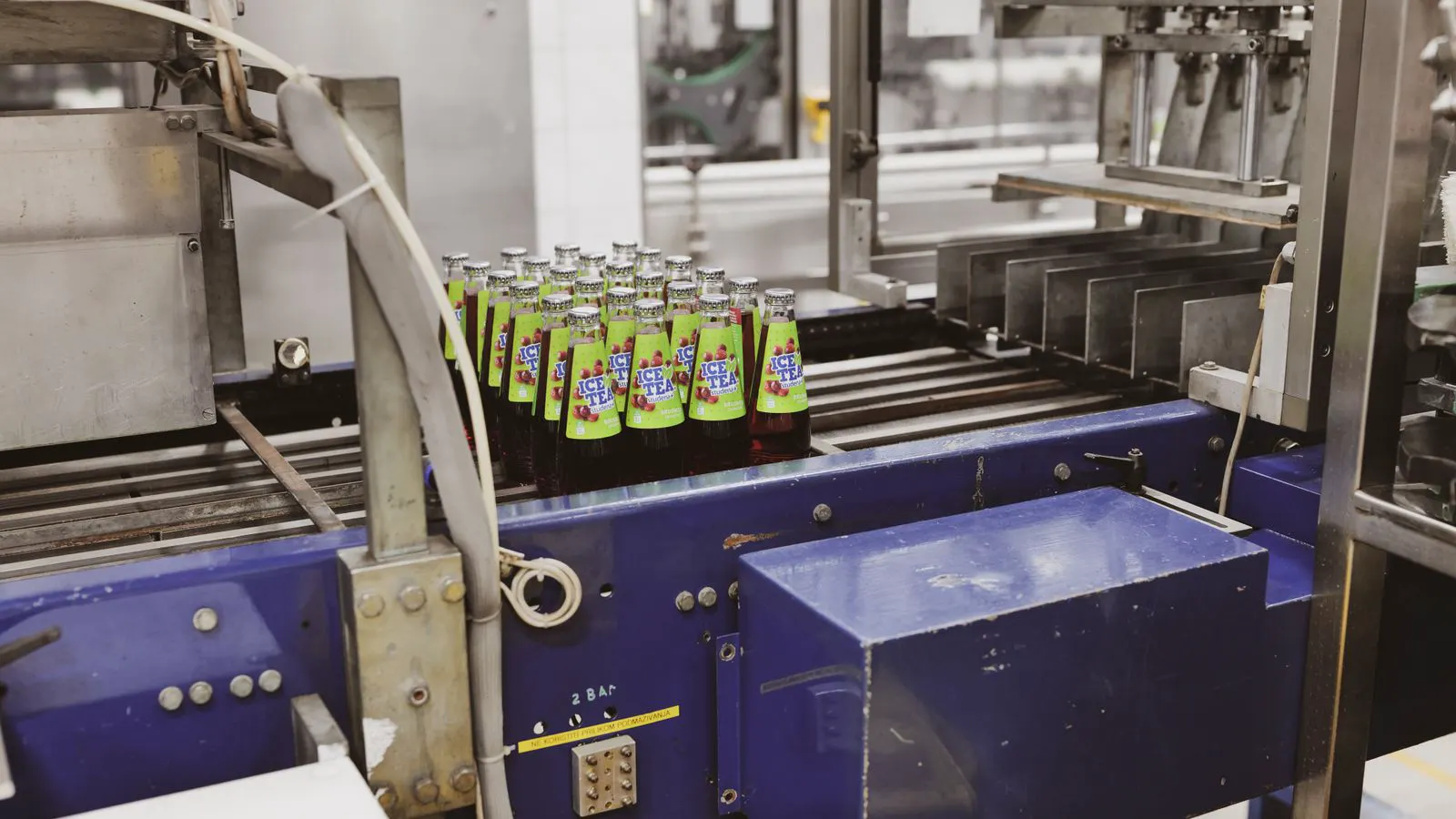
Buyers should require line trials. Even a small trial of a few hundred bottles can reveal problems that a visual inspection misses. The trial should include the intended closure, label, filler, and capper. If the supplier cannot support a trial, that is a signal to slow down the project.
How standardization will reduce risk
The fourth shift is toward standardization. As more brands move toward lighter, simpler bottles, there is pressure to use common neck diameters, common base shapes, and common shoulder profiles. This reduces tooling cost and improves interchangeability.
A standardized neck makes closure selection easier. It also makes spare parts and line changes faster. If the line can handle two or three neck sizes, the factory can run more SKUs without major retooling.
Standardization also supports packaging innovation. When the core bottle shape is predictable, the brand can experiment with the closure, label, and display. The bottle becomes a stable platform. The innovation moves to the parts that are easier to change.
For buyers, standardization is a long-term strategy. It is not always the cheapest option in the short term. A custom shape may win a shelf competition. But if the line must run many SKUs, a standard base geometry can save money over time.
The practical question is which parts can be standardized and which parts must remain unique. The neck and base are good candidates for standardization. The label and closure are better candidates for differentiation.
How to prepare for these design shifts
The final shift is in how buyers prepare. The old model was to select a bottle from a catalog, approve a sample, and place an order. The new model requires more collaboration and more testing.
Buyers should prepare in five ways.
- Define the production constraints first. Line speed, filler type, capping head, labeler, and pallet size should be known before the final bottle shape is approved.
- Test the closure and seal early. A small batch with the final closure is better than discovering a leak after the first full production run.
- Confirm recyclability with the supplier. Ask about closure material, label removal, and print zones.
- Standardize what can be standardized. Common necks and bases reduce future risk.
- Keep documentation current. Dimensions, weight, closure size, label zone, and fill volume should be in one place.
A useful preparation step is to create a short specification sheet for each bottle. It should include the intended fill volume, the closure type, the label size, the target weight, and the line equipment. This sheet helps suppliers understand the real requirements. It also makes it easier to compare options when the design changes.
The goal is not to avoid change. The goal is to make change manageable.
What buyers should watch in the next few years
The next few years will likely see a mix of these trends. Lighter glass will continue. Simpler shapes will become more common. Closure and label compatibility will get more attention. Line compatibility will be treated as a design requirement, not a post-production fix.
Buyers should watch for three signals. First, whether the supplier can explain the wall thickness logic, not just the total weight. Second, whether the closure and label are included in the sustainability discussion. Third, whether the supplier can support a line trial before the final tooling is locked.
A well-designed bottle is not the one that looks the most impressive. It is the one that runs, seals, labels, and recycles with fewer problems. That is the future of glass bottle design.
Practical comparison of design directions
The table below compares four common design directions. It is not a ranking. It is a way to think about trade-offs before you choose.
| Design direction | Main benefit | Main risk | Best for |
| Lighter wall bottles | Lower transport cost and energy | Wall thickness variation can affect sealing | High-volume beverage and food lines |
| Simpler profiles | Easier filling, capping, and sorting | Less visual differentiation | Multi-SKU lines and recycling focus |
| Standard necks | Faster line changes and easier closure fit | May limit unique shelf presentation | Brands with several SKUs or shared lines |
| Distinctive shapes | Strong shelf presence | Higher tooling cost and line friction | Limited SKU range with strong brand identity |
The choice depends on your line, your market, and your sustainability goals. A distinctive shape can be the right answer if the line is simple and the brand needs shelf impact. A standard shape can be the right answer if the line is complex and the brand needs operational stability.
The key is to make the decision with full information. Do not choose based on appearance alone. Choose based on how the bottle behaves in the production system and at the end of its life.
A short preparation checklist can help. Confirm the fill volume, closure size, label zone, target weight, line speed, and pallet configuration before approving the final design. Then run a small trial. Then approve the tooling. That sequence reduces the chance of costly changes later.
Glass bottle design is moving toward clarity. The future is not more complexity. It is better balance between form, function, and sustainability.
Frequently asked questions
Will glass bottles become lighter without losing strength?
Yes, through better wall thickness distribution in the base and shoulder. The body wall can be thinner while the high-stress areas remain controlled.
Does a lighter bottle always run better on a line?
No. A lighter bottle can run worse if the wall thickness is uneven or the neck is too thin for the capper. The geometry matters as much as the weight.
Is a standard neck always better than a unique neck?
A standard neck is better for multi-SKU lines and faster changes. A unique neck can be worth it if the brand needs strong shelf presence and the line is simple.
How should buyers handle closure and label sustainability?
Ask the supplier for the closure material, label type, and print zone. Confirm that they fit your local recycling rules and that the label can be removed without excessive contamination.
What is the best way to test a new glass bottle design?
Run a small line trial with the final closure, label, filler, and capper. This reveals sealing, feeding, and labeling issues that a static sample may not show.