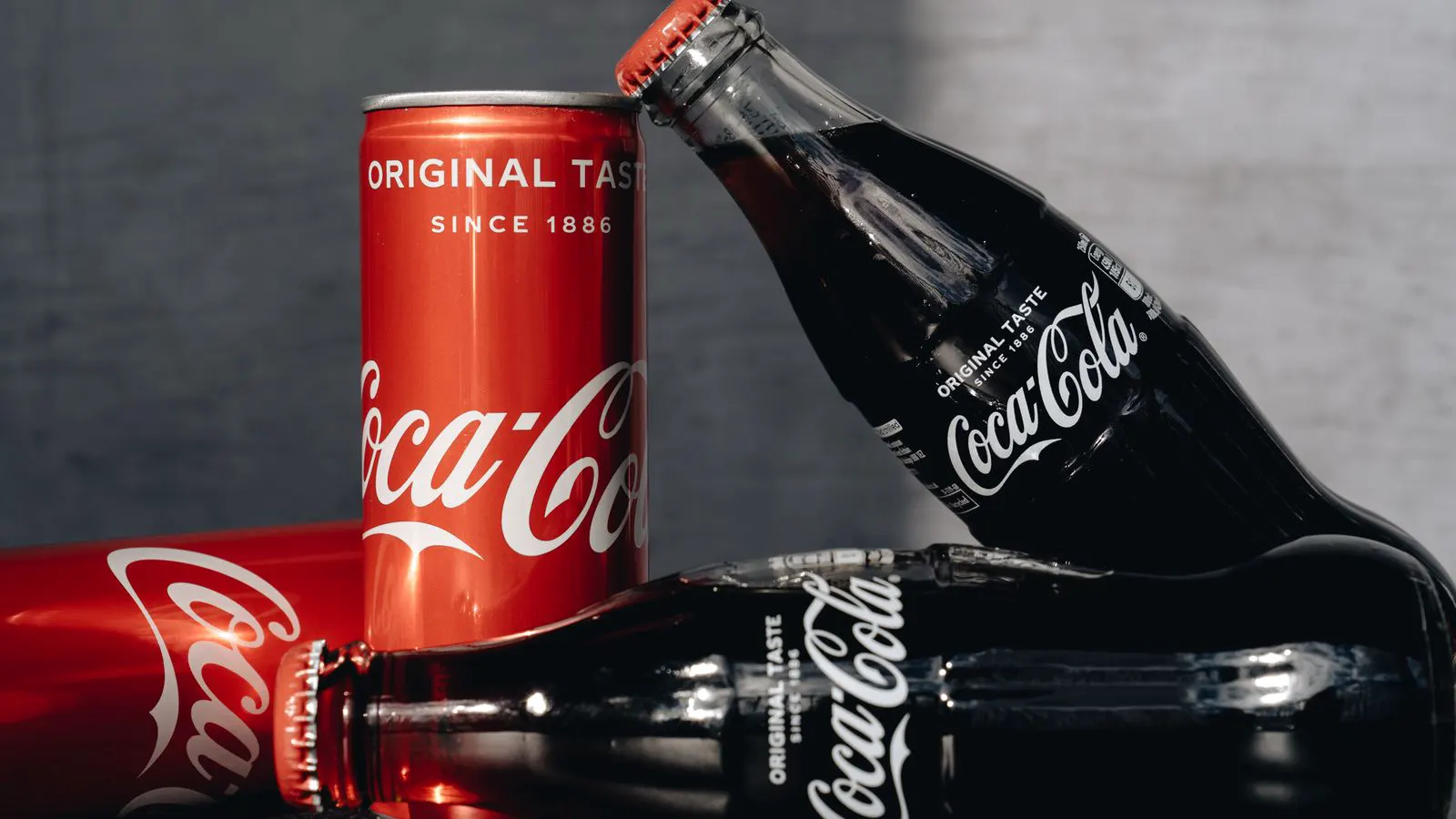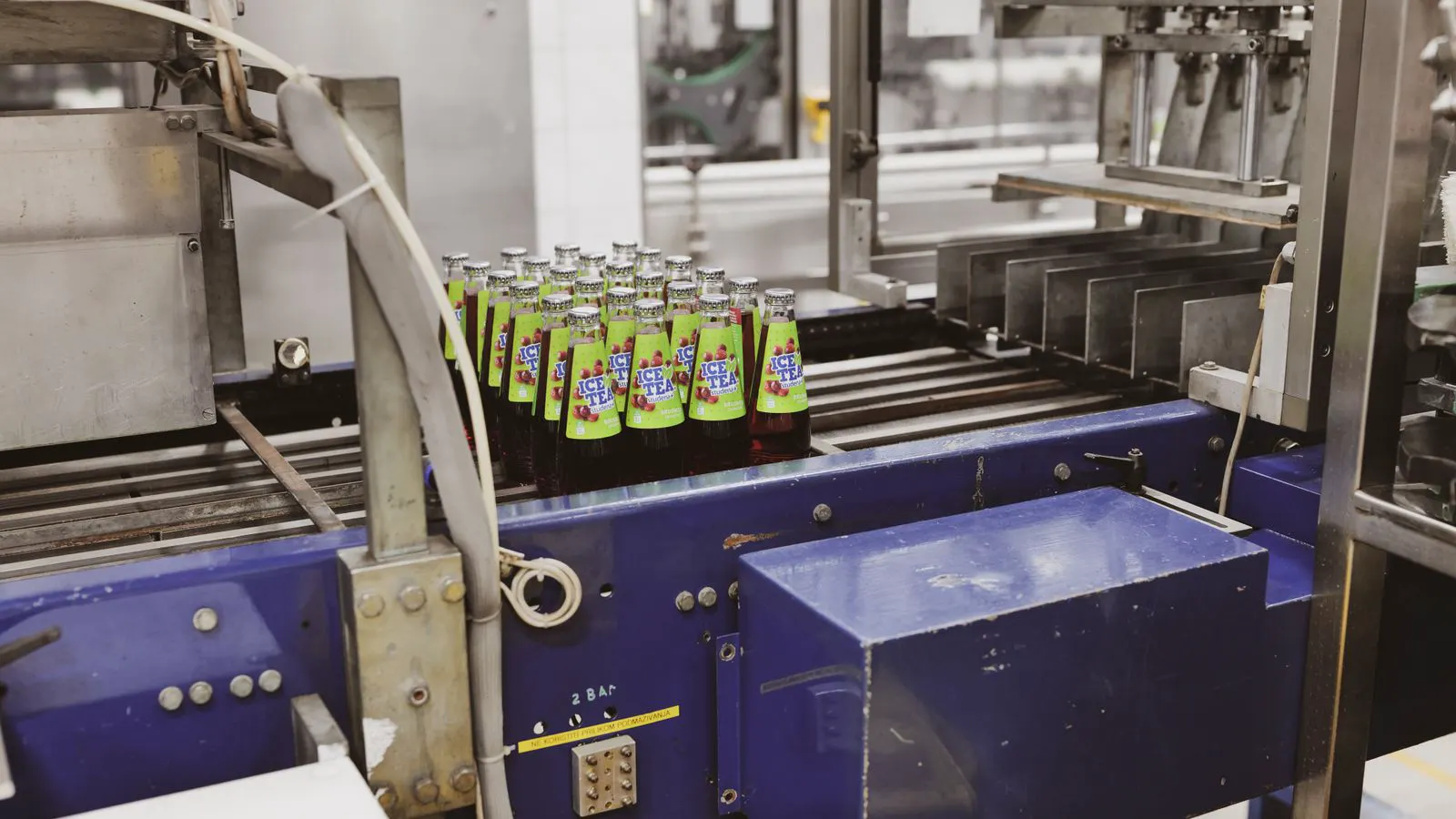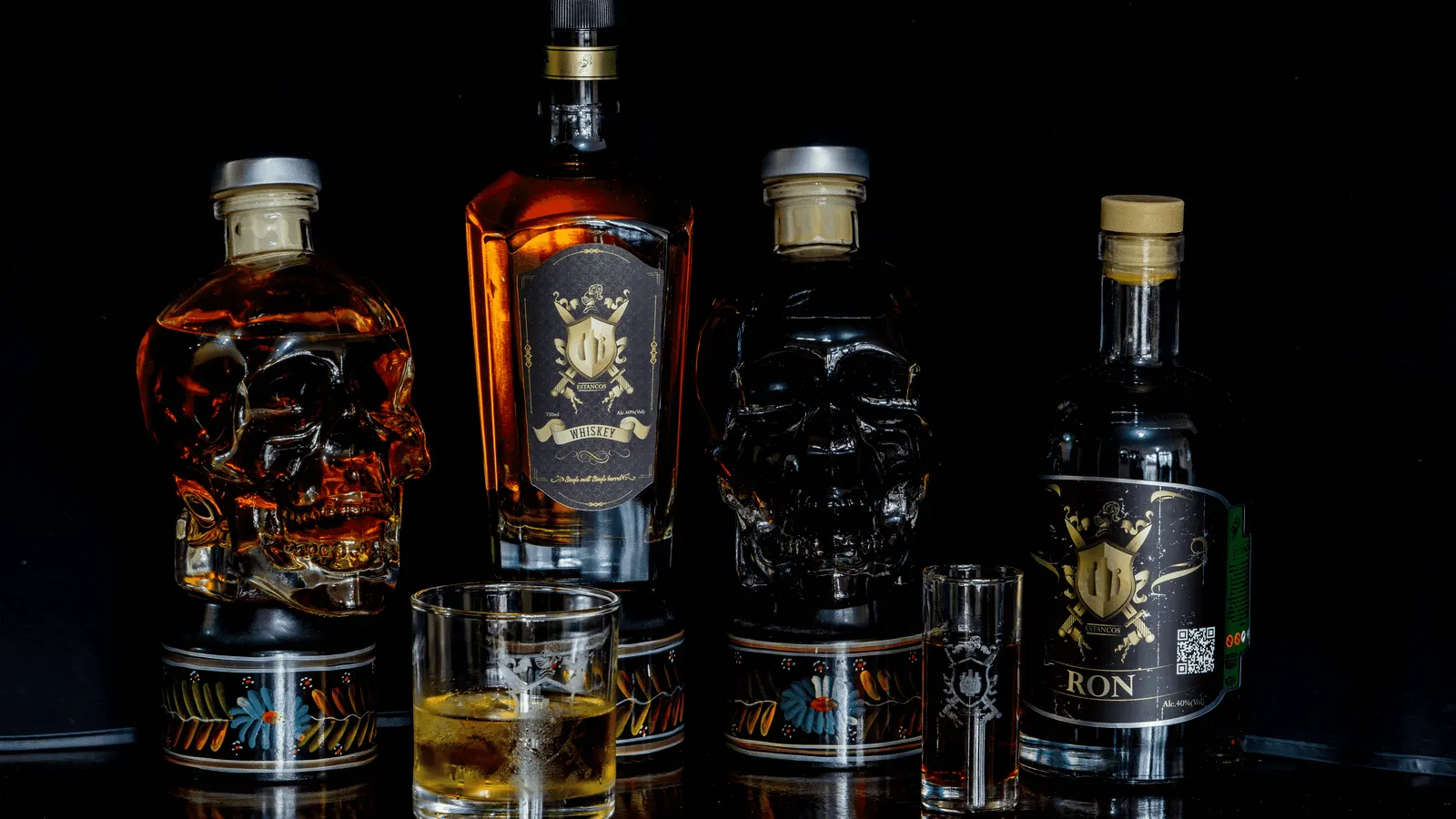
Glass container packaging offers superior barrier protection and reusability but carries weight and fragility risks. Plastic offers lightweight flexibility. Metal offers strong corrosion resistance. Paper is low-cost but weak. The right choice depends on product sensitivity, shelf life, and transport conditions.
- Glass provides a strong barrier to light, oxygen, and moisture, making it ideal for light-sensitive products.
- Plastic is lightweight and shatter-resistant, which lowers shipping costs and reduces breakage.
- Metal packaging offers excellent corrosion resistance and can withstand high temperatures.
- Weight and fragility are the main trade-offs for glass, affecting logistics and consumer handling.
- The choice depends on product type, shelf life, brand positioning, and distribution channel.
Why Material Choice Matters
Selecting the right container is a decision that affects product safety, logistics cost, and brand perception. Each material has distinct physical properties that interact with the product inside. A liquid with high acidity may attack a metal cap. A light-sensitive oil degrades faster in clear plastic than in amber glass.
The primary keyword, glass container packaging, appears often in supplier catalogs. But a full packaging material comparison requires looking beyond glass. This guide compares glass, plastic, metal, and paper containers for typical B2B applications.
The choice is rarely about aesthetics alone. It is a technical calculation that balances chemical compatibility, mechanical strength, and economic efficiency. An engineer might look at a product spec sheet and see a pH level, a viscosity rating, or a thermal processing requirement. The buyer looks at the total landed cost. The marketer looks at the shelf position. When these three perspectives align, the container selection is strong. When they diverge, problems emerge later in the supply chain, often during quality control or in customer complaints.
How Glass Compares to Plastic
Glass is an inorganic material with a closed surface structure. It does not absorb odors or flavors. It also blocks UV light well, especially when tinted. For products like essential oils, fine spirits, or premium sauces, this barrier property preserves quality over a long shelf life.
Glass is also highly resistant to chemical attack. It will not react with most acids, bases, or solvents used in pharmaceuticals and cosmetics. This makes it a stable platform for formulations that require absolute purity. The surface is non-porous. It can be sanitized to a high standard without retaining residues from previous batches. This is a major advantage in multi-product manufacturing environments where cross-contamination is a risk.
Plastic, usually polyethylene, polypropylene, or PET, is a polymer. It is lightweight and flexible. It can be molded into complex shapes. It resists impact and does not shatter. For beverages, household cleaners, and bulk liquids, plastic reduces weight significantly.
Plastic production is also highly versatile. Injection molding allows for the creation of fine details, such as embossed logos or textured grips, in a single step. Blow molding is a cost-effective method for producing large volumes of containers, such as water bottles or detergent jugs. The material can be recycled into new products, though the quality of the recycled feedstock depends on the type of plastic and the local infrastructure.
The main limitation of glass is fragility. A dropped glass bottle shatters. This creates breakage risk during handling and shipping. It also increases weight. Heavier packages cost more to transport. For a global supply chain, this weight penalty can be significant.
Plastic has its own limitations. Some plastics leach compounds under heat or with certain chemicals. PET is good for carbonation but less suitable for long-term storage of hot oils. Polypropylene is heat resistant but has lower oxygen barrier strength than glass.
| Option | Best for | Limitations |
|---|---|---|
| Glass container packaging | Light-sensitive liquids, premium products, long shelf life | Fragile, heavy, higher breakage risk |
| Plastic | Lightweight transport, bulk liquids, cost-sensitive products | Lower barrier strength, potential leaching, less premium feel |
| Metal cans | Corrosive liquids, high-temperature processing, short shelf life | Corrosion risk with some contents, not reusable, limited shapes |
| Paperboard cartons | Water-based liquids, low-barrier products | Poor moisture barrier unless laminated, weak structure |
When Glass Wins
Glass is the preferred choice when product integrity is non-negotiable. Think of a pharmaceutical liquid that must not react with the container. Or a cosmetic cream that must not absorb container odors. The inert nature of glass protects the formula.
Glass also supports reusability. A customer can return a bottle, wash it, and refill it. This model reduces waste and strengthens brand loyalty. It works well for coffee, wine, or artisanal foods where the container becomes part of the experience.
The tactile feel of glass matters too. It feels solid and premium. A glass bottle conveys quality in a way a thin plastic cup cannot. For high-margin products, this perception justifies a higher container cost.
Consider a high-end olive oil brand. The oil is sensitive to light and oxygen. A clear glass bottle with a thick glass neck and a metal cap provides a strong barrier. The weight of the glass signals density and quality. The consumer perceives the product as more valuable. The glass also allows for easy visual inspection of the oil’s clarity and color before purchase.
In the pharmaceutical industry, glass vials are the standard for injectables and oral liquids. The material is transparent, allowing for visual checks for particulate matter or color changes. It is compatible with high-temperature sterilization processes, such as autoclaving, which plastics cannot withstand. The glass does not leach into the solution, ensuring the drug’s purity and stability.
Glass is also a good choice for products that require a wide opening for filling or dispensing. A glass jar for a thick paste or a sauce can be opened and closed without the risk of the plastic deforming or breaking. The seal is usually a metal lid with a gasket, which provides a tight closure that protects the contents from air and moisture.
When Plastic Wins
Plastic wins when weight and cost drive the decision. A two-liter water bottle made of glass would be heavy and expensive to ship. The same bottle in PET is lightweight and durable. It survives drops on factory floors and in grocery store bins.
Plastic also allows for complex shapes. A squeeze bottle with a narrow neck, a funnel-shaped container, or a contoured grip is easy to mold. Glass requires thick walls or special forming to achieve similar shapes, which adds cost and weight.
For products with short shelf lives, plastic is often sufficient. A yogurt container does not need the barrier properties of glass. It needs to be cheap, easy to stack, and safe to handle. Plastic meets these needs efficiently.
Plastic is the material of choice for many household cleaning products. Bleach, for example, is highly corrosive to metals and can degrade some plastics. However, it is compatible with high-density polyethylene (HDPE). HDPE bottles are opaque, which protects the bleach from light degradation, and they are rigid enough to withstand the pressure of the liquid. The material is also easy to recycle in many municipal programs.
In the beverage industry, plastic bottles are standard for carbonated drinks. PET is transparent, allowing the consumer to see the product. It is strong enough to withstand the internal pressure of the carbonation. The material is also lightweight, which reduces the cost of transportation and storage.
Plastic is also used for medical devices and single-use items. The material is hygienic and can be sterilized. It is used for syringes, IV bags, and test tubes. The plastic must be chosen carefully to ensure it does not react with the medical solution or degrade under sterilization conditions.
When Metal Wins
Metal containers, typically aluminum or tinplate steel, excel in corrosion resistance. Aluminum is strong yet light. It can withstand high temperatures during canning processes. It is widely used for canned goods, aerosols, and some beverages.
The limitation of metal is reactivity. Some acidic foods can react with the interior coating. This requires careful coating selection. Metal also does not allow visual inspection of the contents. A customer cannot see the product level or condition without opening the can.
Metal is less common for premium retail than glass or plastic. It is more common in industrial, food service, or commodity channels. The choice often depends on the distribution model rather than brand image.
Aluminum cans are the standard for beer and soft drinks. The material is lightweight and provides a good barrier against light and oxygen. The can is easy to print on, allowing for vibrant and detailed branding. The can is also recyclable and has a high value in recycling streams.
Aluminum is also used for aerosol sprays. The material can withstand the pressure of the propellant gas. It is used for hair spray, deodorant, and paint. The can must be designed to handle the internal pressure and the corrosive nature of the propellant.
Tinplate steel is used for larger cans, such as those for soup or vegetables. The steel is coated with tin to prevent rust. It is stronger than aluminum and can withstand higher temperatures during canning. It is also easier to open with a can opener, which is a practical advantage for food service operations.
When Paper or Board Wins
Paperboard cartons and paper cups are low-cost options. They work well for water-based liquids, some juices, and coffee. They are easy to print on and have a clean, minimal look.
The major limitation is moisture barrier. Unlaminated paper is weak against liquids. Laminated cartons improve this but add cost and complexity. Paper is also not ideal for high-pressure or carbonated products. It lacks the structural rigidity of glass, plastic, or metal.
Paper is best for short-distance distribution and short shelf life. It is not a long-term storage solution for most liquids.
Cartons are the standard for milk and juice. They are made of a layer of paperboard with a thin plastic liner on the inside to prevent the liquid from soaking through. The carton is lightweight and easy to stack. It is also easy to print on, allowing for clear labeling and branding.
Paper cups are used for hot beverages and some cold drinks. The material is insulating, which helps keep hot drinks warm. The cup is usually made of a blend of paper and plastic, or it may have a plastic coating on the inside to prevent the liquid from soaking through. The cup is also easy to dispose of, which is a benefit for single-use applications.
Logistics and Environmental Considerations
Weight is a practical factor. A heavier container means higher freight costs. It also increases the risk of damage during handling. Glass is dense. Plastic is light. This difference affects palletization and storage.
Environmental impact is another concern. Glass is recyclable indefinitely without loss of quality. Plastic can be recycled but often downgrades in quality. Metal is recyclable and has a lower energy impact than glass in some cases, depending on the recycling infrastructure.
End-of-life disposal matters too. Glass breakage can be a hazard if not handled properly. Plastic fragments can persist in the environment. Metal is durable but requires energy to recycle. The choice should align with the company’s sustainability goals and local recycling availability.
The carbon footprint of the container is also important. Glass has a high energy cost to manufacture, as it requires high temperatures to melt the sand. However, it is lightweight in the sense that it does not degrade over time. It can be reused many times if the product is refillable.
Plastic has a lower energy cost to manufacture, but the production process involves the extraction of fossil fuels. The environmental impact of plastic also depends on how it is disposed of. If it is not recycled, it can end up in landfills or the environment, where it takes a long time to break down.
Metal has a high energy cost to mine and process, but it is highly recyclable. The recycling process uses less energy than the production of new metal. This makes it a good option for companies that want to reduce their environmental impact.
Practical Decision Framework
Start with the product. What is it? Is it light-sensitive, acidic, or carbonated? What is the required shelf life? These factors narrow the options quickly.
Next, consider the channel. Is the product sold in a high-traffic grocery store, a premium boutique, or an industrial site? The handling environment determines the need for impact resistance.
Then, evaluate logistics. What is the shipping distance? What is the weight per unit? What are the packaging costs? A lightweight plastic bottle may save enough in freight to offset a higher retail price.
Finally, assess brand positioning. Does the brand want to convey luxury, sustainability, or value? Glass often signals luxury. Plastic signals value or convenience. Metal signals industrial strength. The container is part of the message.
The decision process should be documented. The material choice should be recorded in the product specification sheet. It should also be communicated to the supplier, the manufacturer, and the logistics team. This ensures that everyone is working with the same information and that the container is selected with all aspects of the supply chain in mind.
Common Mistakes in Material Selection
One mistake is choosing glass for a product that will be dropped often. A glass bottle in a crowded retail aisle may shatter. If the product is not worth the breakage risk, plastic may be a better fit.
Another mistake is assuming all plastics are the same. PET, HDPE, and PP have different barrier properties and temperature limits. Selecting the wrong plastic can lead to product degradation or container failure.
A third mistake is ignoring the cap and seal. The container material is only part of the system. A glass bottle with a poor seal can leak. A plastic bottle with a weak closure can fail under pressure. The sealing system must match the container material and the product.
The cap material is also important. A metal cap on a glass bottle is standard, but it can corrode if the product is acidic. A plastic cap on a plastic bottle is common, but it may not provide a tight seal if the material is not chosen correctly. The seal must be tested under the expected conditions of use, including temperature and pressure.
Final Thoughts
There is no single best material. Glass container packaging is ideal for products that need a high barrier, a premium feel, or a long shelf life. Plastic is best for lightweight, cost-effective solutions. Metal suits corrosive or high-temperature applications. Paper works for low-barrier, short-life products.
The decision is a balance of technical requirements, logistics costs, and brand strategy. A clear understanding of these factors leads to a container choice that serves the product and the business.
Frequently asked questions
Is glass container packaging always more expensive than plastic?
Not always. Glass is often more expensive per unit due to weight and fragility. However, if the product has a high margin or requires a long shelf life, the cost difference may be justified. Plastic is generally cheaper per unit but may not meet the same barrier requirements.
Can glass be used for carbonated beverages?
Yes. Glass is commonly used for carbonated drinks because it provides a strong barrier to pressure and gas loss. The container must be designed to withstand internal pressure, and the closure must be rated for carbonation.
What is the main disadvantage of using plastic for light-sensitive products?
Plastic is more transparent to UV light than glass, especially clear plastic. This can cause photo-degradation of the product. If the product is light-sensitive, amber or opaque plastic may be needed, or glass may be a better choice.
Is metal packaging suitable for long-term storage?
Metal can be suitable for long-term storage if the interior coating is appropriate for the product. However, it is not reusable and may not provide the same barrier properties as glass for all product types. The choice depends on the specific product and storage conditions.
How does reusability affect the choice between glass and plastic?
Reusability favors glass because it is durable and can be washed and refilled. Plastic is generally not designed for repeated reuse and may degrade or become difficult to clean. If the business model relies on returnable containers, glass is often the preferred material.