
Materials & Compliance
Checklist for Inspecting Container Seals and Closures
This guide provides a structured audit checklist for container seal inspection. It covers visual checks, closure fit, torque verification, and documentation review to

Technical specifications for bottle and container procurement.
Buyers decide on bottle and container specifications based on material grade, closure fit, and compliance requirements. This site covers the technical choices that affect production run costs, shelf life, and regulatory approval.
Content is organized by product type and procurement stage. It covers glass bottles, PET, jars, and closures. It also addresses materials, decoration, cost structures, and supplier evaluation criteria.
Start with the stage of the sourcing process you are in.
Explore types, strengths, and uses of glass bottles for packaging, including design options and material properties.
Learn about plastic and PET bottles, their applications, strengths, and how they compare with other container materials.
Find details on jars and closures, including materials, sealing options, and how to match them to your packaging needs.
Understand materials, safety, and regulatory requirements for bottles and containers used in food, beverage, and other sectors.
Discover customization and decoration options, such as labeling, printing, and finishing techniques for bottles and jars.
Get practical guidance on cost factors and minimum order quantities when sourcing bottles and containers from suppliers.
Learn how to evaluate suppliers for bottles and containers, including quality, reliability, and key questions to ask before ordering.
This guide provides a structured audit checklist for container seal inspection. It covers visual checks, closure fit, torque verification, and documentation review to
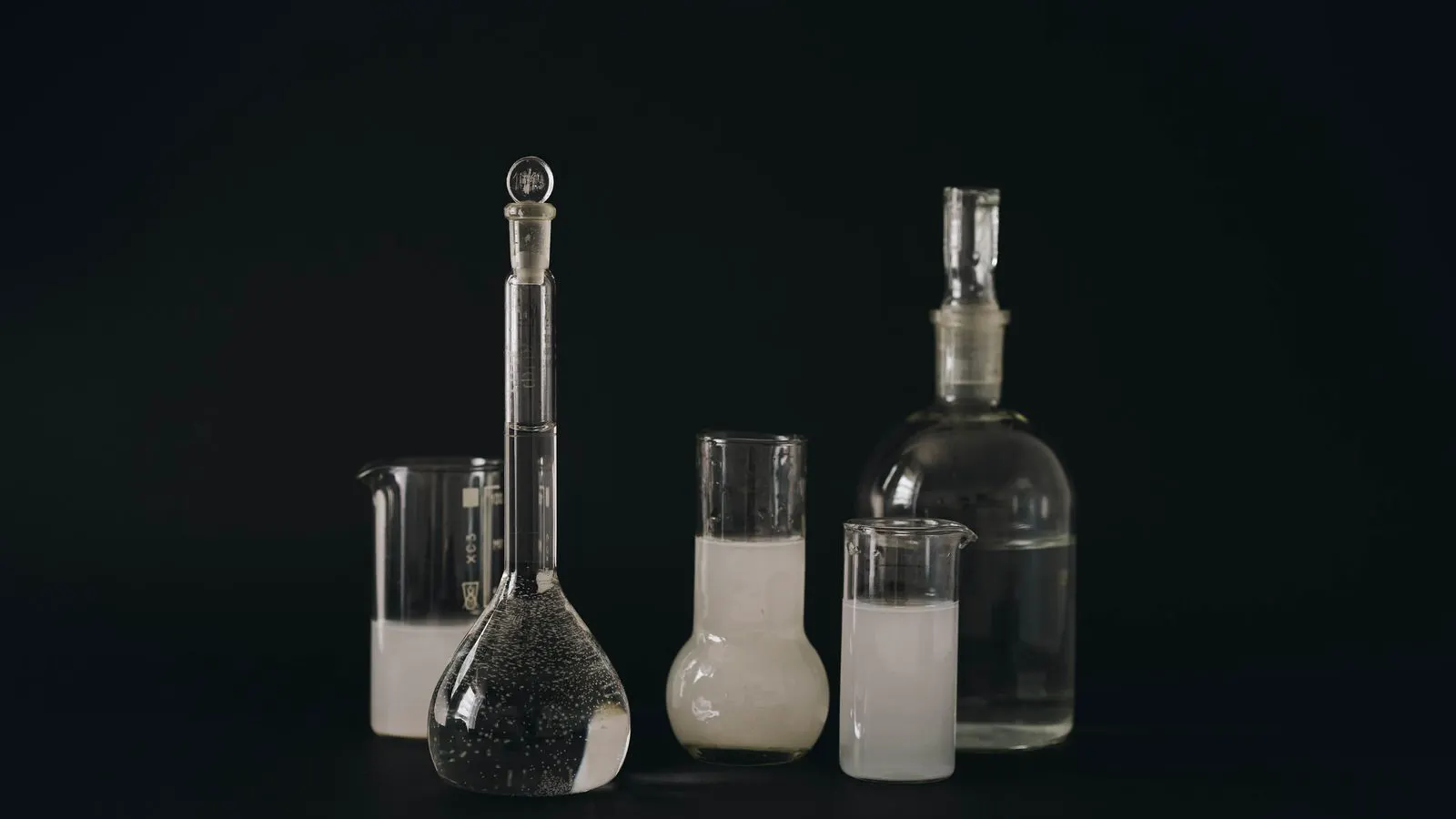
Validate jar material certifications by checking issuing bodies, scope of materials, and jurisdiction. Request raw data sheets, test reports, and declarations.

Buyers are moving from periodic audits to continuous visibility. Digital tools now allow teams to monitor production, logistics, and compliance in real time. This shift
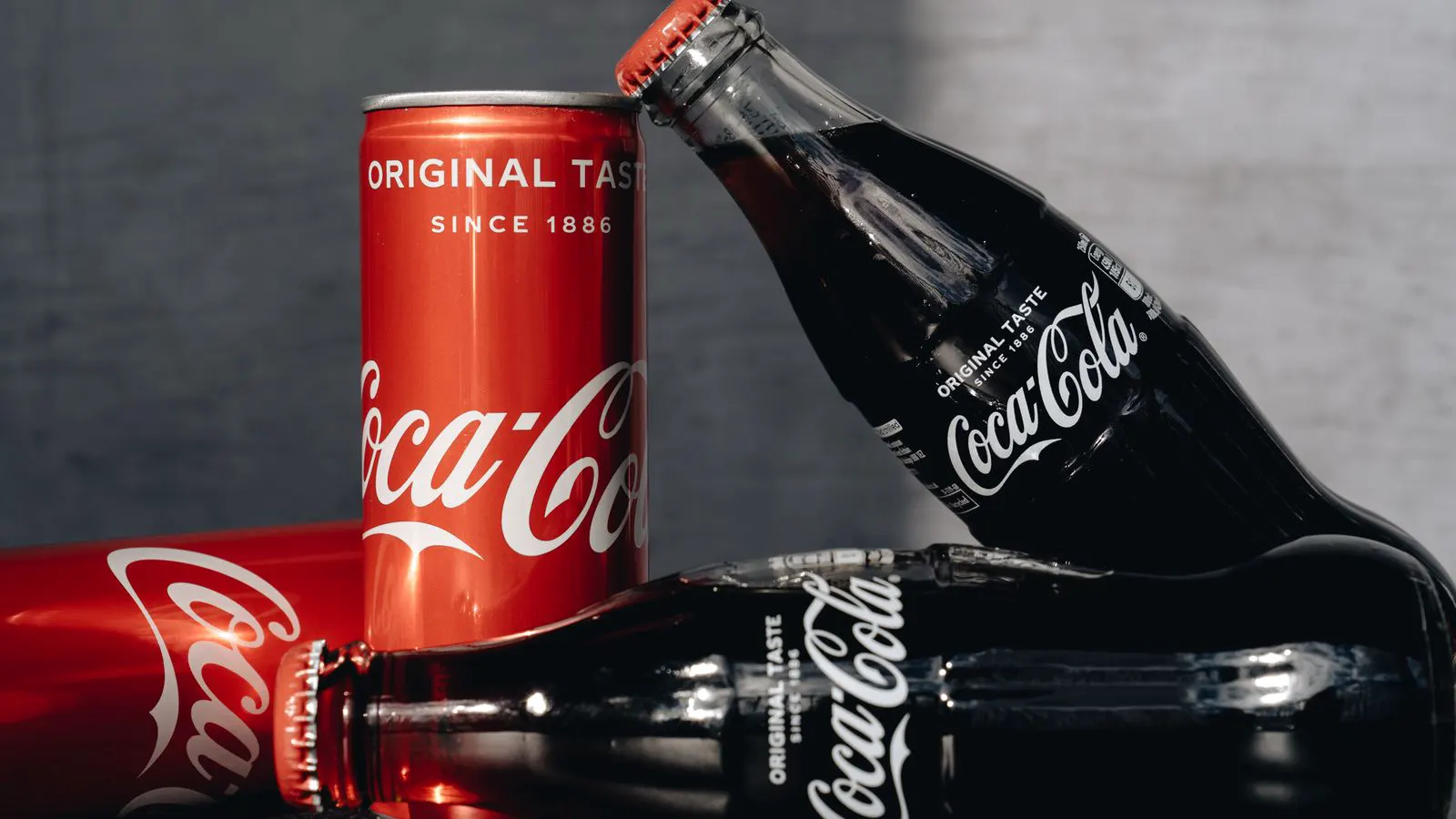
Glass excels in barrier protection and structural rigidity, while aluminum offers higher strength-to-weight and easier recycling. The right choice depends on product
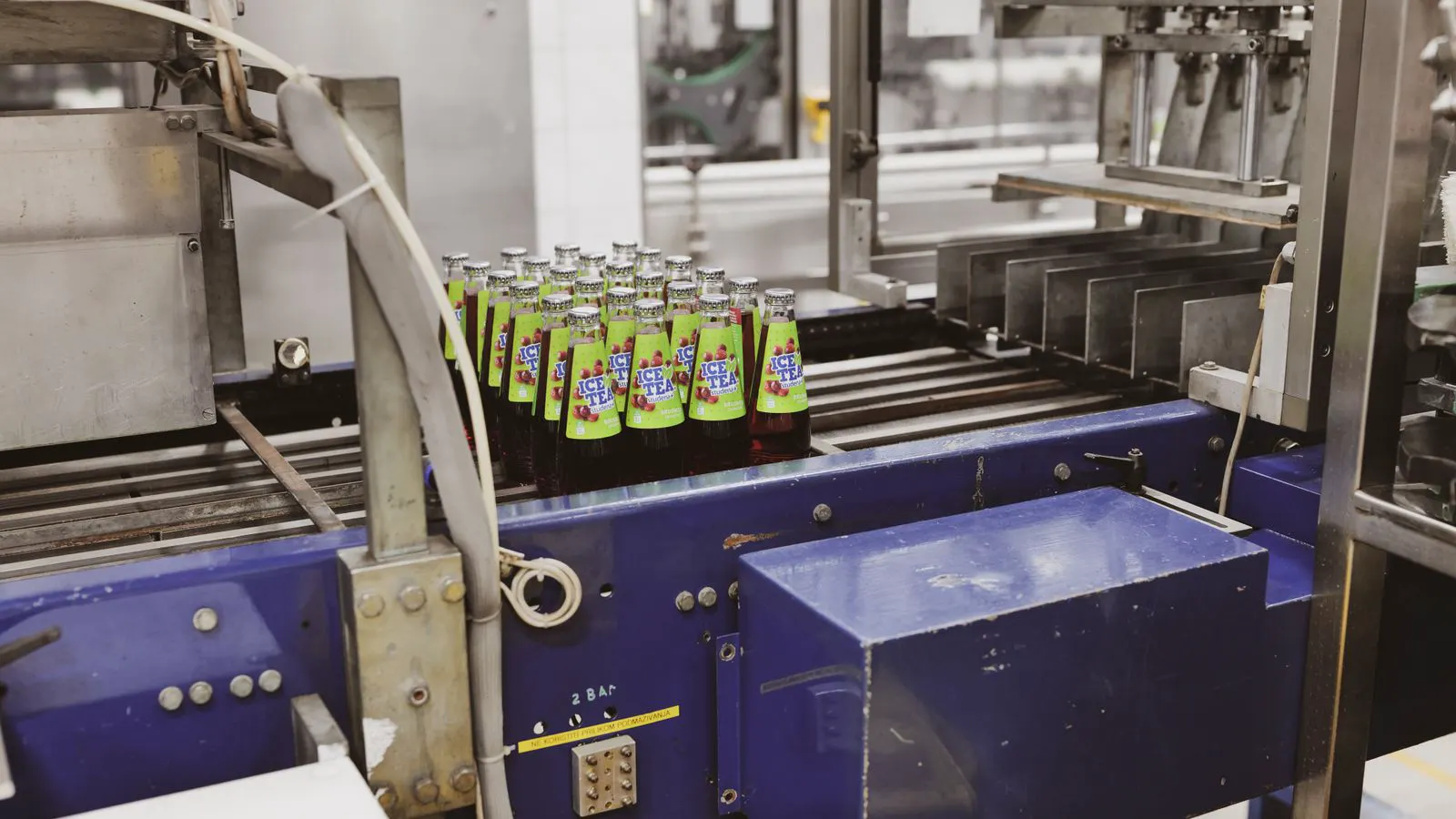
Glass bottle cost depends on shape, thickness, glass type, and finishing. Production lead time varies by mold complexity and supplier capacity. A clear RFQ with precise
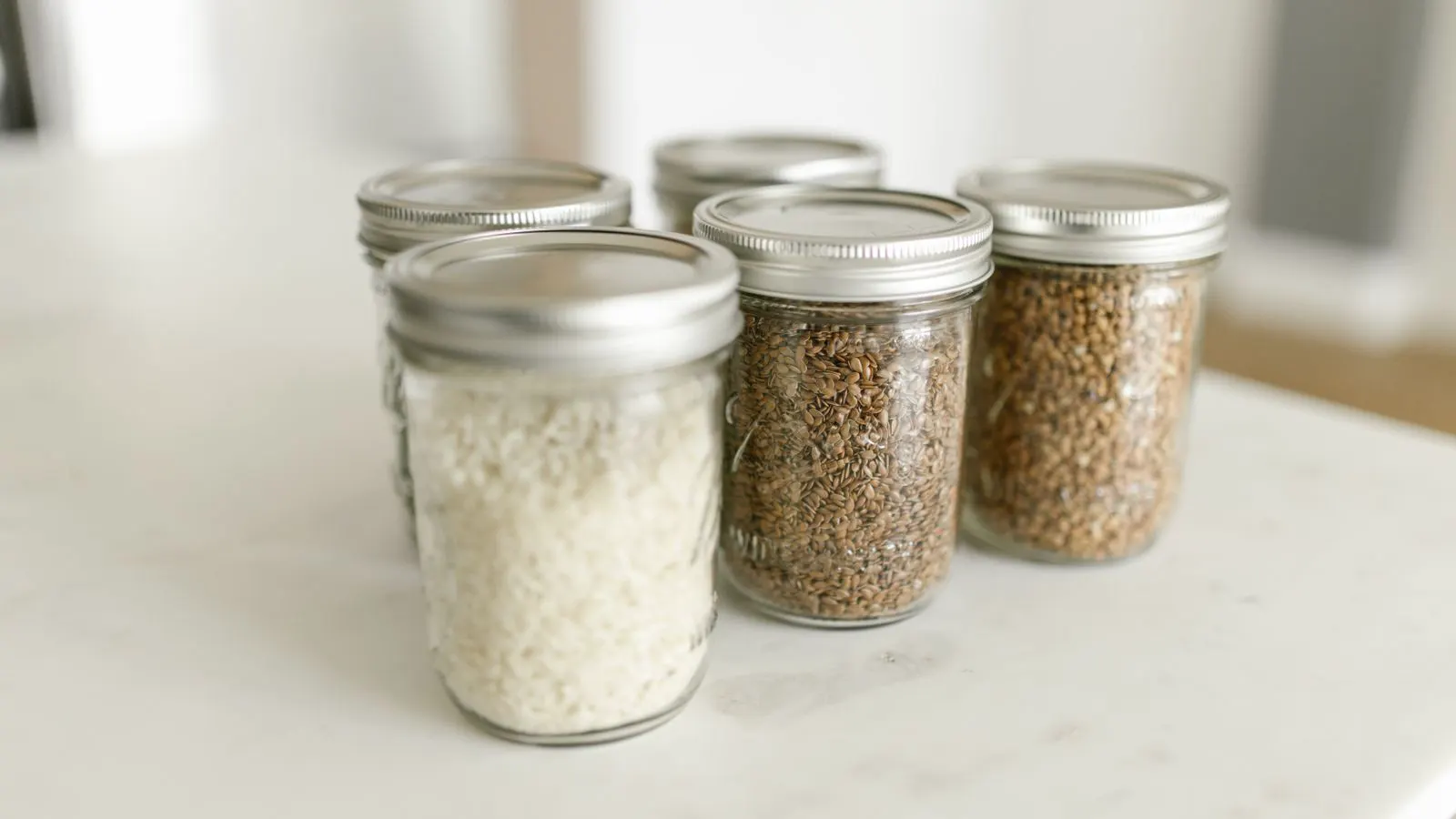
PET jars resist impact and weigh less, while glass jars offer superior chemical resistance and barrier performance. Choose based on structural demands, shelf-life
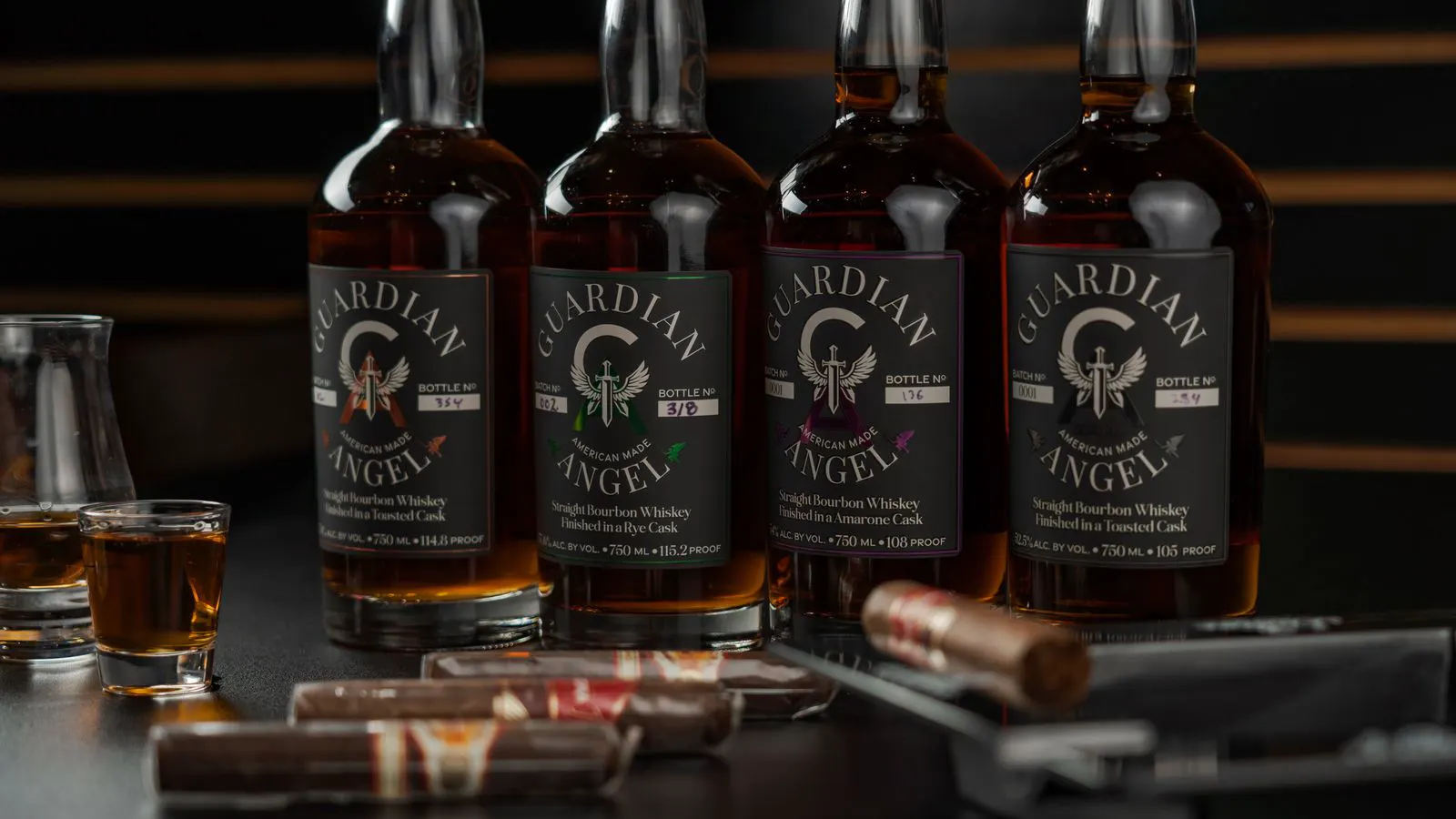
Small batch custom bottle printing works best when you match the method to your run size, prepare the substrate, and verify adhesion. Choose screen, digital, or foil
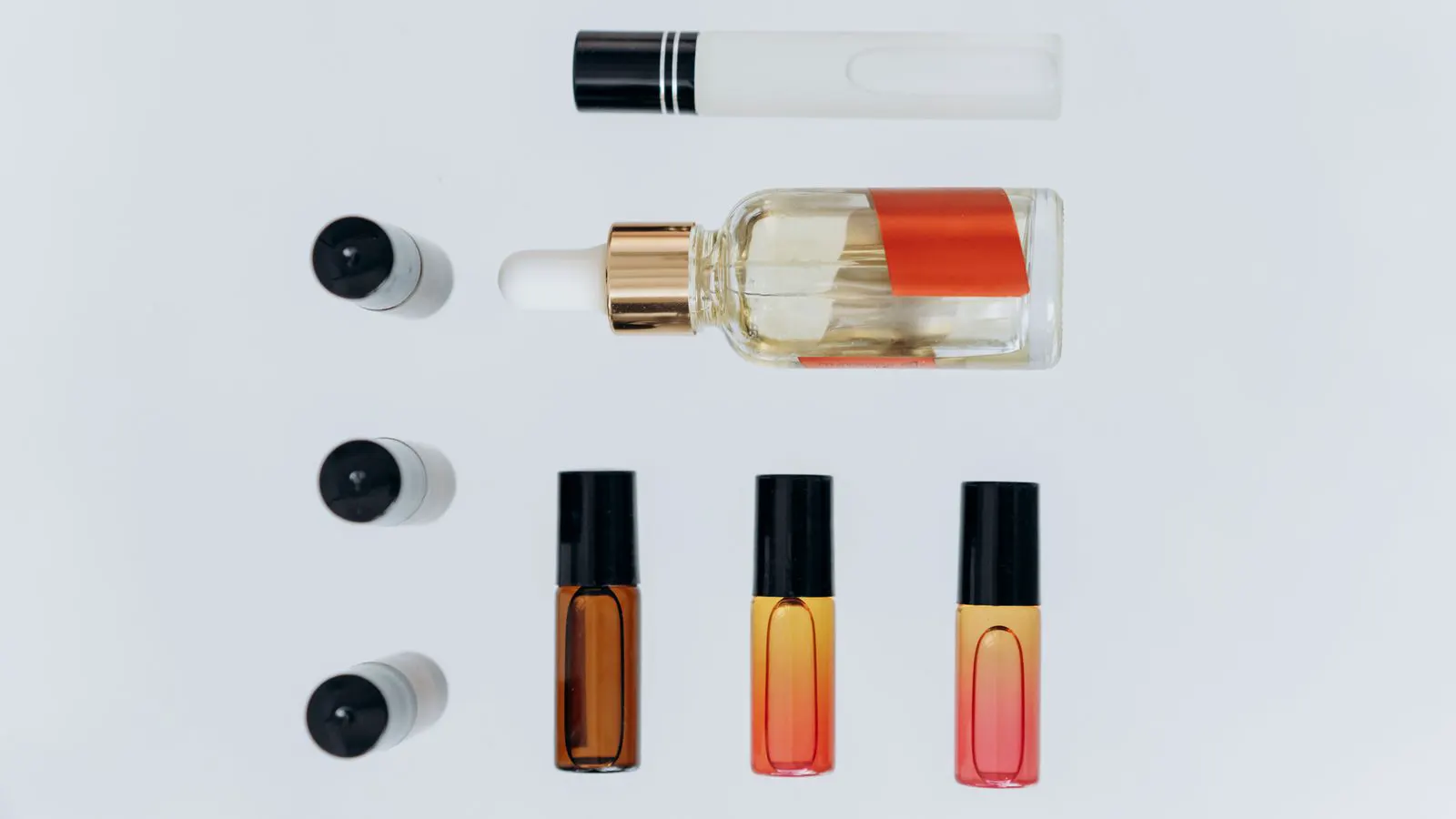
This guide provides a practical checklist for approving bottle decoration samples. It covers print alignment, color matching, material adhesion, and durability so you
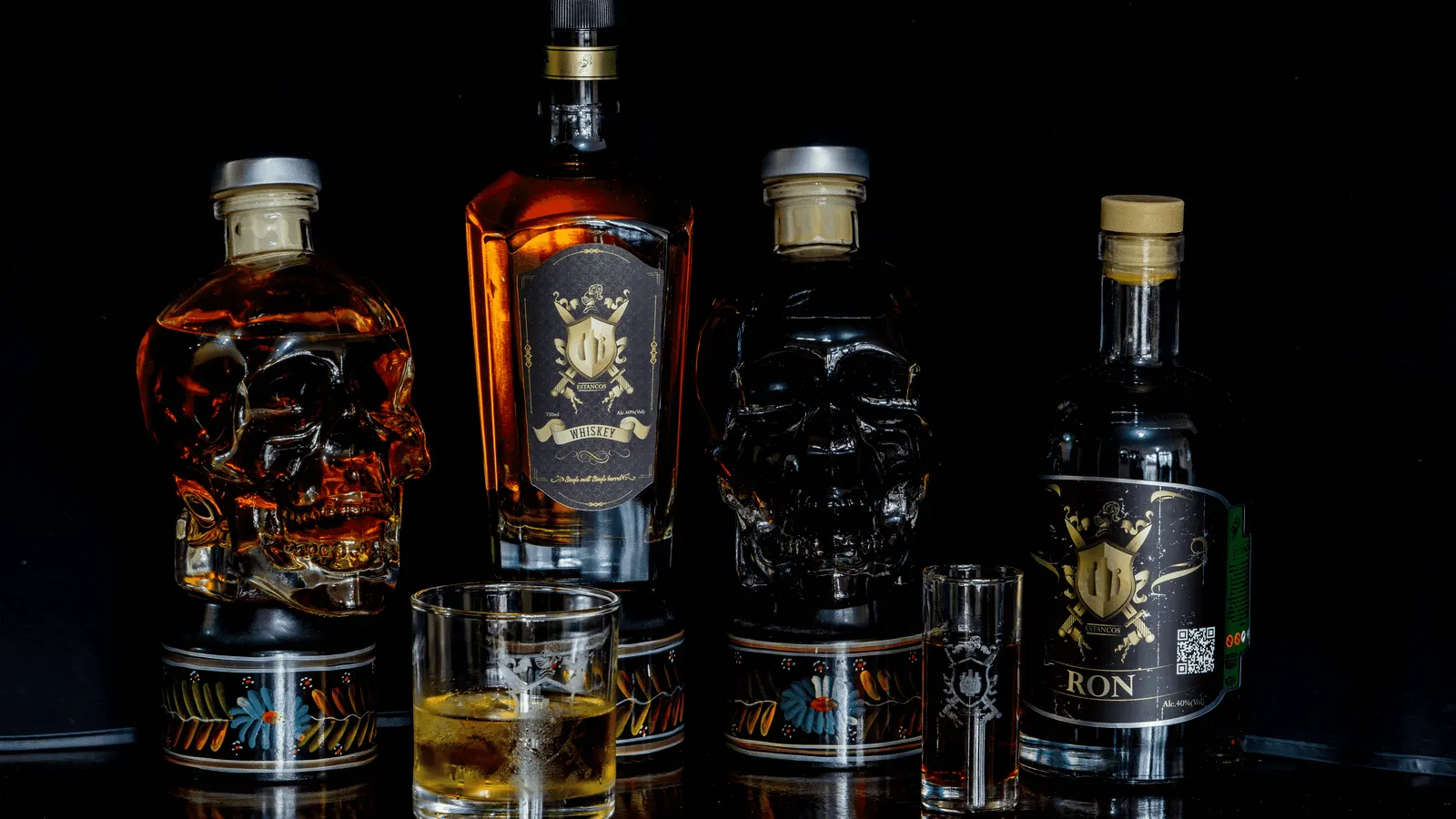
Future glass bottle design is moving toward lighter walls, more uniform profiles, recyclable closures, and lines that reduce energy. Buyers should test prototypes

Food contact materials regulations set legal rules for substances in packaging that touch food. They define scope, testing, labeling, and approval. Understanding these
PET is virgin polyethylene terephthalate. rPET is recycled PET made from post-consumer or post-industrial waste. rPET often requires stricter food-grade testing and may have different clarity and strength characteristics than virgin PET.
Specify both the filled weight (including liquid) and the empty bottle weight. Also define the neck finish diameter and thread type to ensure closure compatibility. Tolerance ranges for weight are typically requested in the technical data sheet.
Request a material certificate of analysis (CoA), food contact compliance documentation, and test reports for specific properties like drop height, pressure resistance, and color fastness. For imported goods, check if a certificate of origin is required.
Minimum Order Quantity (MOQ) is the smallest batch size a supplier will produce. Custom molds or specific colors often raise the MOQ. Unit cost generally decreases as order volume increases above the initial MOQ due to fixed tooling costs being spread over more units.
Define the jar mouth diameter and thread standard (e.g., 32mm, 38mm). Request a physical sample of the jar and lid together to check torque, seal integrity, and stackability. Verify if the lid requires a separate liner or is a single-piece plastic closure.
Common issues include color mismatch between the screen print and the physical bottle, ink adhesion failure, or damage during filling and labeling. Always require a pre-production sample for decoration approval and specify the exact Pantone color code if applicable.