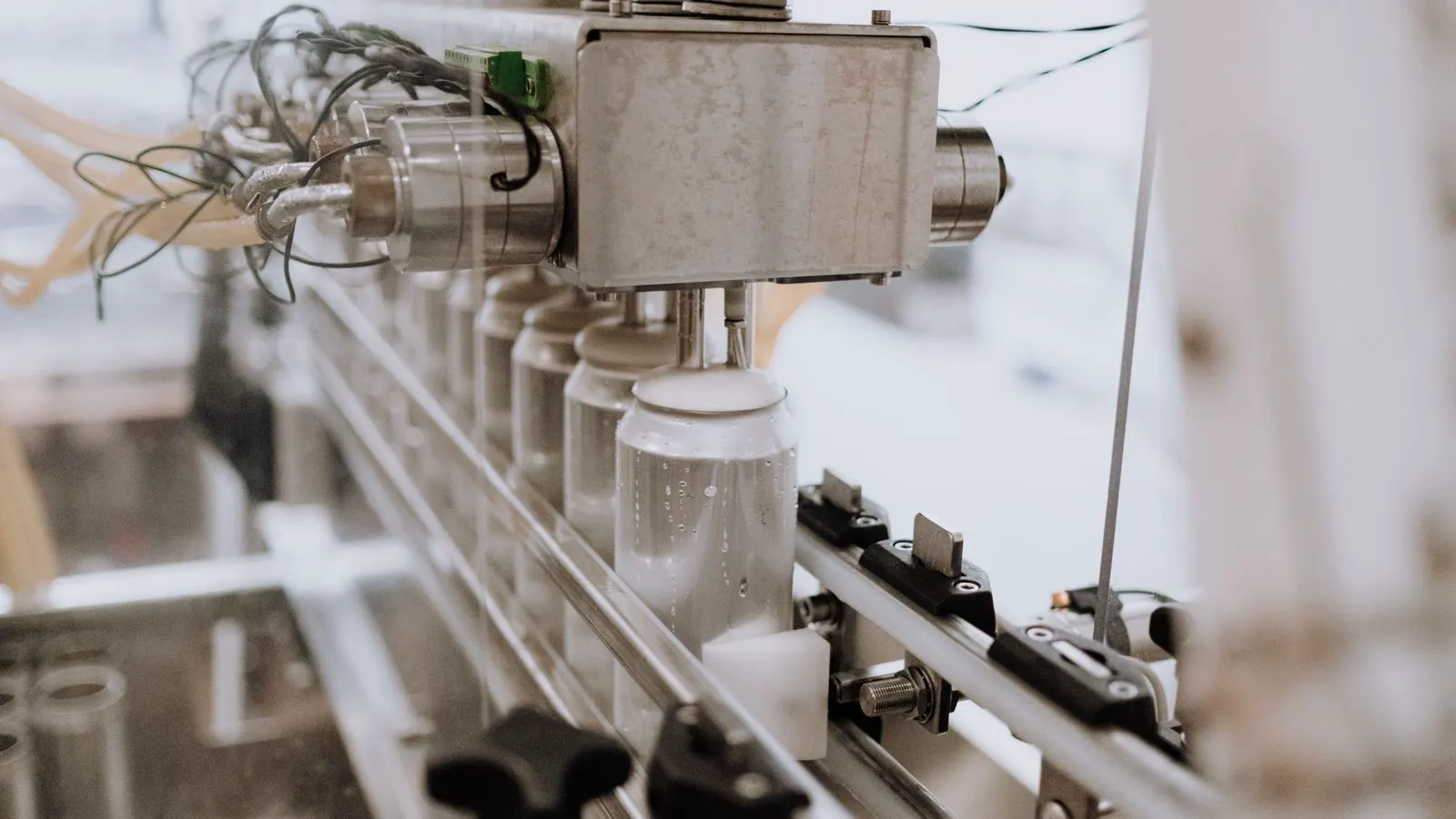
Metal contamination in plastic bottles usually traces to worn machinery, loose parts, or poor cleaning. Fix it by replacing worn components, using magnetic separators, and strengthening quality control checks to protect final product integrity.
- Metal particles in plastic bottles often originate from worn machinery, loose fasteners, or inadequate cleaning routines.
- Implement regular inspection schedules and use magnetic separators to catch metal debris early in the production flow.
- Strengthen quality control protocols with particle testing and document every corrective action to maintain compliance and reduce waste.
- Train all production staff to recognize signs of contamination and report issues immediately.
- Maintain detailed records of equipment maintenance and material changes to trace the source of any contamination event.
Recognizing Metal Contamination in Plastic Bottles
Metal contamination in plastic bottles presents itself in several ways. Operators might notice visible particles in the melt stream, unusual discoloration, or a gritty texture during filling. Sometimes the problem only appears after molding, when a small metal shard is trapped in the bottle wall.
These issues do not always show up immediately. A tiny sliver of metal can travel through the extruder and appear in a finished bottle hours later. That delay makes early detection difficult.
Common symptoms include:
- Visible metal particles in the plastic melt
- Unusual discoloration or streaking in finished bottles
- Gritty texture when running a finger along the bottle surface
- Inconsistent fill levels due to blockages
- Customer complaints about metallic taste or particles
Each symptom points to a different stage of the process. Catching the issue at the right moment saves material and prevents rejected batches.
Tracing the Source of Metal Particles
The source of metal contamination is rarely obvious. Before jumping to conclusions, map out the entire production path. Metal can enter through raw materials, machinery, or environmental factors.
Check the incoming plastic granules first. Even reputable suppliers can have trace metal from upstream processing. Review certificates of analysis and run a small sample through a metal detection system before feeding it into the extruder.
Next, examine the production equipment. Worn gears, loose bearings, and degraded seals are common culprits. Metal filings from these components can shed into the melt. Pay special attention to areas where plastic contacts metal surfaces for extended periods.
Environmental factors also matter. Dust and airborne particles can carry metal fragments into open hoppers. A workshop with metalworking operations nearby introduces this risk. Ensure hoppers are covered and the production area is well-ventilated but isolated from other processes.
Troubleshooting Common Issues
Use the table below to match symptoms to likely causes and corrective actions. This framework helps teams move quickly from observation to solution.
| Symptom | Likely cause | What to do |
|---|---|---|
| Visible metal particles in melt | Worn gears or bearings in extruder | Shut down equipment, inspect and replace worn components, clean the entire melt path |
| Intermittent contamination | Loose fasteners or hardware | Tighten all bolts and screws, replace damaged hardware, add magnetic separators |
| Gritty texture in finished bottles | Inadequate cleaning of hopper or feeder | Implement more frequent cleaning schedules, use dedicated cleaning tools |
| Metal taste in filled beverages | Particles trapped in bottle or cap | Inspect caps and bottles, run particle detection on final product, review filling area |
| Sudden spike after material change | New supplier or storage issue | Quarantine the new batch, test for metal content, contact supplier for investigation |
| Consistent low-level contamination | Environmental dust or airborne particles | Improve filtration in hoppers, review workshop layout, install local exhaust |
Each row in this table represents a real scenario. The key is to match the pattern to the cause. A sudden spike usually points to a specific event, while a slow buildup suggests ongoing wear or environmental intrusion.
Prevention Through Equipment Maintenance
Prevention is cheaper than correction. Establish a preventive maintenance schedule for all equipment that contacts plastic. Inspect gears, bearings, seals, and fasteners on a regular basis. Replace components before they wear through into the product.
Keep spare parts on hand for critical components. When a bearing starts to wear, the metal dust it releases can contaminate an entire batch. Having replacement parts ready reduces downtime and prevents emergency repairs that might introduce further contamination.
Clean equipment thoroughly between runs. Residual plastic and debris can trap metal particles. Use dedicated cleaning tools and follow a documented procedure. Record every cleaning session with date, operator, and method.
Consider adding magnetic separators to the process. These devices catch ferrous metal particles as they move through the system. Place them at strategic points, such as after the extruder and before the filling area. Regularly clear and inspect the magnets to ensure they remain effective.
Strengthening Quality Control
Quality control is the final line of defense. Without it, metal contamination can reach the customer. Implement multiple checks throughout the production line.
Start with incoming material testing. Run samples of every plastic batch through a metal detector before processing. This catches issues at the source. Keep records of test results and supplier information.
Add in-process checks. Periodically pull samples from the melt stream and inspect them. Look for visual particles and test for metal content. Use this data to monitor equipment health over time.
Finish with final product inspection. Run finished bottles through a particle detection system. This catches any contamination that slipped through earlier stages. Keep detailed records of all inspections, including pass/fail results and corrective actions taken.
Document everything. A well-organized record of material tests, equipment maintenance, and quality checks helps trace the source of contamination quickly. It also demonstrates compliance to customers and regulatory bodies.
Training and Communication
Even the best equipment fails without trained operators. Train all production staff to recognize signs of metal contamination. They should know what to look for in the melt stream, finished bottles, and production environment.
Create clear procedures for reporting issues. When an operator spots a problem, they should know exactly who to contact and what steps to take. Encourage a culture where reporting is rewarded, not punished.
Conduct regular training sessions. Cover new equipment, updated procedures, and lessons learned from past incidents. Refresh training annually and after any significant change in the production process.
Maintaining Records and Continuous Improvement
Keep detailed logs of all maintenance, cleaning, and quality control activities. These records serve two purposes. First, they help identify patterns over time. If contamination spikes after a specific maintenance event or material change, the records make that connection clear.
Second, they support compliance. Customers and regulators often request documentation of quality control procedures. Having organized, accessible records makes audits smoother and builds trust.
Review these records regularly. Look for trends, recurring issues, and opportunities for improvement. Maybe one type of bearing wears faster than expected. Maybe a particular supplier consistently introduces trace metal. Use the data to make informed decisions.
Continuous improvement is an ongoing process. Every incident teaches something new. Apply those lessons to refine procedures, update training, and adjust equipment settings. The goal is to reduce the likelihood and impact of metal contamination over time.
Handling Customer Complaints
When a customer reports metal contamination, respond quickly and professionally. Acknowledge the issue, gather information about the specific product and batch, and initiate an internal investigation.
Use your records to trace the batch back to its source. Check material test results, equipment maintenance logs, and quality control data. Identify the likely cause and implement corrective actions.
Communicate findings and corrective actions to the customer. Be transparent about what happened, what you did to fix it, and what steps you are taking to prevent recurrence. This builds trust and may preserve the business relationship.
Frequently asked questions
Can metal contamination occur even with new equipment?
Yes. New equipment can introduce metal particles if fasteners are not fully tightened or if components are not properly cleaned after manufacturing. Always perform a test run and inspect the output before full production.
How often should I test for metal contamination?
Test incoming materials every batch, check the melt stream periodically during production, and inspect finished products according to your quality control plan. Frequency should increase after any equipment maintenance or material change.
What if I find metal particles but cannot trace the source?
Quarantine the affected material, shut down the affected equipment, and conduct a thorough inspection of all components that contact the plastic. Increase monitoring until you identify and eliminate the source.
Are non-ferrous metals a concern for plastic bottles?
Yes. Non-ferrous metals like aluminum or copper can also contaminate plastic. Use appropriate detection methods that can identify non-ferrous metals, and consider additional filtration options.
How do I document the issue for regulatory compliance?
Keep detailed records of the incident, including date, time, product batch, symptoms, investigation steps, corrective actions, and preventive measures. Store these records in a secure, accessible format for audit purposes.