PET bottles serve beverages, food, personal care, and chemicals. Their clarity, barrier properties, and recyclability make them suitable for many applications. Sourcing depends on barrier requirements, filling method, and regulatory needs.
- PET bottles are used for beverages, food, personal care, chemicals, and water.
- Barrier properties, clarity, and recyclability drive material selection.
- Sourcing decisions depend on filling method, regulatory needs, and end use.
- PET container packaging is widely accepted in recycling streams in many regions.
- Different grades and additives affect performance and cost for specific applications.
PET bottle uses span many industries because the material balances cost, clarity, and barrier performance. Polyethylene terephthalate, commonly called PET, is a thermoplastic polyester. It resists moisture and many oils, and it holds shape under pressure. These traits make PET a default choice for rigid containers that need to stay clear and lightweight.
Which industries rely on PET bottles the most?
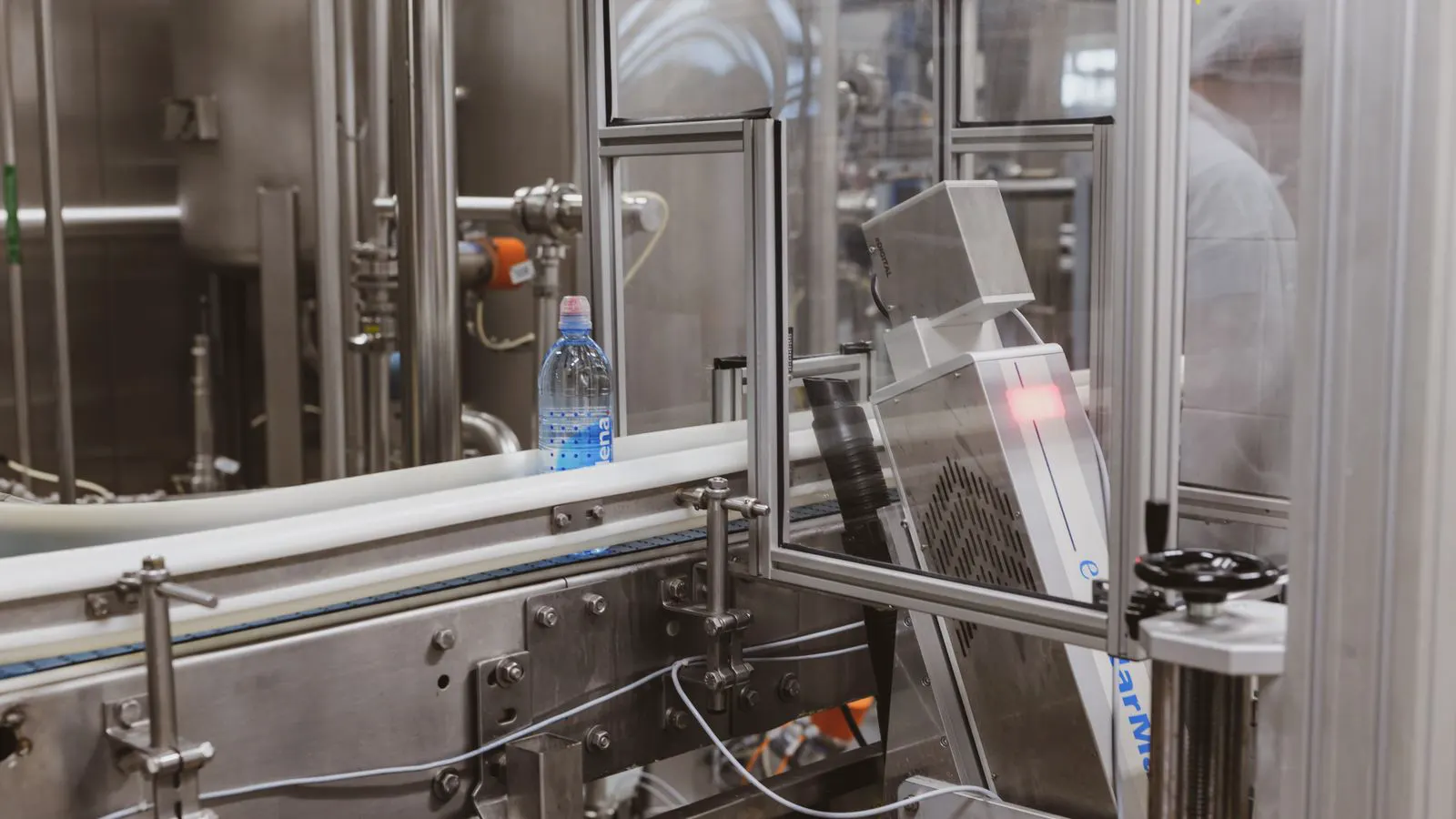
Beverages remain the largest sector for PET bottle uses. Water, carbonated drinks, juices, and functional beverages all use PET because it is transparent and easy to fill at high speed. The material also allows labels, caps, and closures to be applied quickly on automated lines.
Food and personal care are the next major groups. Detergents, shampoos, and household cleaners often use PET because the material resists many solvents and can be molded into shapes that fit shelf space. In the personal care sector, clear PET lets consumers see the product color and quantity at a glance.
The chemical and industrial sectors use PET for intermediate storage and transport. PET bottles hold reagents, laboratory fluids, and specialty chemicals that do not require glass or metal. The material is lighter than glass, which reduces shipping weight and handling risk.
How do barrier properties affect PET bottle applications?
Barrier performance is the main factor that separates one PET bottle use from another. Oxygen, water vapor, and aroma transmission all change over time. A water bottle needs a tight moisture barrier to keep the liquid fresh. A flavored beverage bottle needs lower oxygen transmission to prevent flavor loss.
Manufacturers control barriers by adjusting the resin grade and the film structure. Multilayer PET bottles use a thin barrier layer inside or outside the main structure. This setup improves performance without adding much weight.
Sourcing decisions depend on the product’s shelf life and formulation. A product with a short shelf life may work with standard PET. A product with a longer shelf life or sensitive aroma may need a higher performance grade. Buyers should specify barrier requirements clearly when requesting quotes.
How do filling methods shape PET container packaging choices?
The filling method affects bottle design, neck shape, and closure type. Blow molding creates the bottle, and the filling line determines how the bottle is oriented and filled.
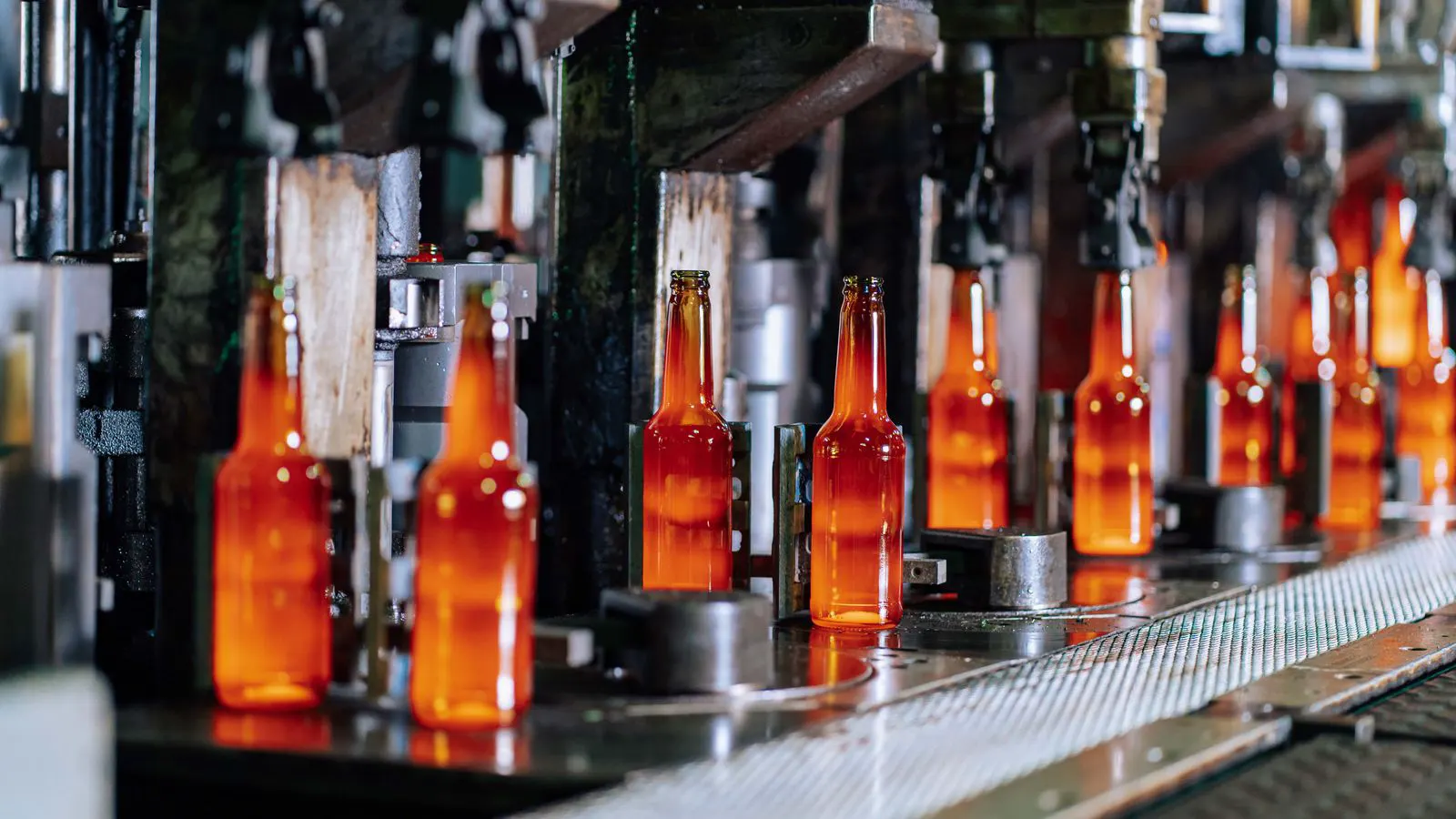
High speed filling lines use preforms that are blown into finished bottles. The preform has a specific neck profile that matches the closure. Changing the closure diameter usually requires a new preform design. This makes standard neck sizes common in the industry.
Hot fill and cold fill processes also matter. Hot fill is used for some liquid foods and beverages. The bottle must withstand the filling temperature without warping. Cold fill is used for products that are sensitive to heat or require immediate sealing.
For chemicals and laboratory fluids, filling may be done in smaller batches. The bottle must be compatible with the fluid, and the cap must seal under the specific conditions. A screw cap may be used, or a specialized closure may be required for leak resistance.
What are the common PET bottle uses in food and beverage?
Food and beverage applications dominate the market. Water is the most common use. Clear PET bottles let consumers see the fill level and the product itself. The material is also easy to recycle, which supports sustainability goals for many brands.
Carbonated drinks use PET because the material can handle internal pressure. The bottle must be thick enough to resist bursting. This usually means a higher wall thickness or a stronger resin grade. The closure must also hold pressure without leaking.
Juices and functional drinks face different challenges. Some contain acids or pigments that can affect color and taste. A barrier layer helps block light and oxygen. The bottle may also need a specific color to protect the product from light sensitivity.
How is PET used in personal care and household cleaning?
Personal care and household products use PET because it is lightweight and easy to mold into shapes. Shampoos, lotions, and detergents often use PET bottles that stand upright on a shelf. The shape can be ergonomic, with a handle or a flat base for stability.
The material resists many solvents used in cleaning products. This makes PET suitable for detergents and disinfectants that contain alcohols or other active ingredients. The bottle must be tested for chemical compatibility before use.
Labels are another factor. PET surfaces are smooth and accept many labels. This allows brands to apply graphics, barcodes, and safety information without extra cost. The label adhesive must also be compatible with the surface and the product.
How do chemical and industrial applications differ from consumer uses?
Chemical and industrial uses place higher demands on the material. The bottle must resist the specific chemical it holds. Some liquids are corrosive, while others are reactive. The resin grade must be selected based on chemical compatibility data.
Laboratory fluids and reagents often require precise volume marking. The bottle may have graduations etched or printed on the surface. The cap must seal tightly to prevent contamination and evaporation.
Transport is another key factor. Industrial PET bottles are often stacked and moved in pallets. The bottle must withstand impact and vibration. A thicker wall or a reinforced base can improve durability. The closure must also be secure during transit.
How does recyclability affect sourcing decisions for PET bottles?
Recyclability is a major consideration for many buyers. PET is one of the most widely recycled plastics. In many regions, clear PET bottles are accepted in curbside recycling programs. This supports circular economy goals and can reduce material costs over time.
The quality of the recycled material affects the new bottle. Post consumer recycled PET may have a different color and a different barrier performance than virgin PET. Some applications allow for recycled content, while others require virgin material for clarity or barrier reasons.
Buyers should ask suppliers about the source of the resin and the recycled content. The certificate of analysis and material safety data sheets should be available. These documents help confirm that the material meets the required specifications for the application.
How do cost and availability influence PET bottle use?
Cost is always a factor in sourcing. PET is generally less expensive than glass or metal for the same volume. This makes it attractive for high volume applications where packaging cost adds up quickly.
Availability depends on the region and the specific bottle shape. Standard shapes are widely available. Custom shapes may require longer lead times and higher minimum order quantities. Buyers should plan inventory accordingly.
Resin availability can also fluctuate. Global supply chains affect resin costs and delivery times. Some suppliers keep safety stock of common grades to protect against shortfalls. Buyers should discuss lead times and backup options with suppliers before finalizing a project.
How do regulations affect PET bottle applications?
Regulations vary by country and by product type. Food contact materials must meet safety standards in the region where they are sold. The resin, inks, and adhesives must be approved for the intended use.
Beverage regulations may set limits on additives or require specific labeling. Chemical regulations may require specific warnings or container types. Buyers must ensure that the packaging meets all local requirements before launch.
Documentation is key. Material safety data sheets and certificates of compliance help prove that the product meets the rules. Keeping these documents current saves time during audits and inspections.
What are the main mistakes to avoid when sourcing PET bottles?
The most common mistake is ignoring the filling method. A bottle that works on one line may fail on another. The neck size, preform design, and closure type must match the equipment.
Another mistake is underestimating barrier requirements. A standard PET bottle may look fine in the lab but fail on the shelf. Testing under real conditions helps avoid this.
Buyers should also verify chemical compatibility. A bottle that works for water may not work for a solvent. Always test the specific fluid before full scale production.
How do buyers choose the right PET bottle for their application?
Start with the product and the filling method. Identify the fluid, the shelf life, and the equipment. Then look at barrier needs and regulatory requirements. This sequence keeps the decision focused on performance, not just cost.
Request samples from suppliers. Test them on the actual filling line. Check the closure seal, the label adhesion, and the bottle strength. Document the results before moving to production.
Keep the supplier relationship open. Ask about material changes, lead times, and recycling options. A good supplier will provide clear data and responsive support. This reduces risk and keeps the project on schedule.
How does PET compare to other bottle materials?
PET is often chosen over glass because it is lighter and less fragile. Glass has better barrier properties but is heavier and more expensive to ship. PET is a good middle ground for many applications.
PET is also lighter than metal. Metal bottles are used for some beverages, but they are costlier and less flexible in design. PET allows more shapes and sizes at a lower cost.
Each material has a place. The right choice depends on the product, the shelf life, and the target market. PET remains the default for a large share of rigid bottle applications because it balances these factors well.
Frequently asked questions
What is the most common use of PET bottles?
Water and beverages are the most common uses. The material is clear, lightweight, and easy to recycle, which makes it popular for drink packaging.
Can PET bottles be used for hot liquids?
Some PET grades can be used for hot fill, but the bottle must be designed for the temperature. Not all PET bottles are suitable for hot liquids, so the grade must be specified.
How does recycled PET affect bottle performance?
Recycled PET may have a different color and barrier performance than virgin PET. Some applications allow recycled content, while others require virgin material for clarity or barrier reasons.
What documents should I request from a PET bottle supplier?
Request material safety data sheets, certificates of analysis, and compliance documents. These help confirm that the material meets safety and regulatory requirements.
Why is PET preferred for high speed filling lines?
PET bottles are made from preforms that can be blown quickly. The process is fast and reliable, which supports high volume production with consistent quality.