To choose the right jar closure for food, match the closure material and seal design to your product's acidity, storage duration, and fill method. This guide covers selection criteria, food grade jar seals, and common failure points.
- Match closure material to product acidity and expected shelf life.
- Verify food grade jar seals and liner compatibility with your contents.
- Test sealing under real fill and transport conditions before finalizing your design.
- Consider closure reuse, recyclability, and user experience for the target market.
Start with the product, not the closure
A jar closure does not exist in isolation. It must work with the jar, the contents, the filling process, and the end user. A closure that seals a low-acid canned good may leak with a vinegar-based condiment. A closure designed for manual home canning may not survive automated filling lines.
The first decision is always product-driven. Identify the food type, acidity level, water activity, fill temperature, and intended storage conditions. These factors dictate which closure architecture will perform reliably.
A useful starting point is to write down the product’s worst-case scenario. Will the jar sit in a hot warehouse for months? Will it be frozen? Will it be stacked in a retail case with point loads? The closure must survive that scenario without failure.
Material selection for food contact surfaces
Closure materials fall into a few broad categories: metal, plastic, and composite. Each has distinct strengths and limitations.
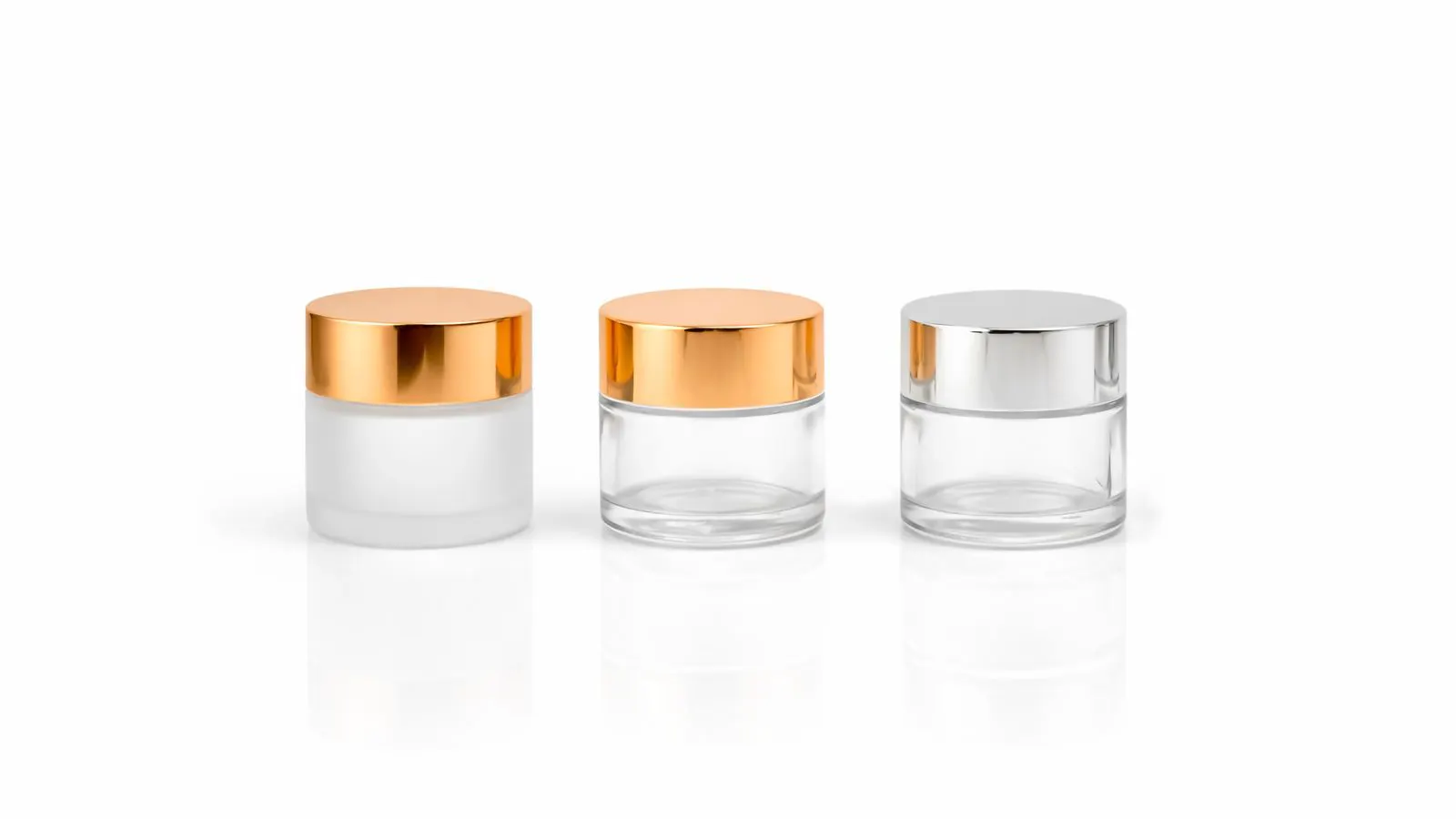
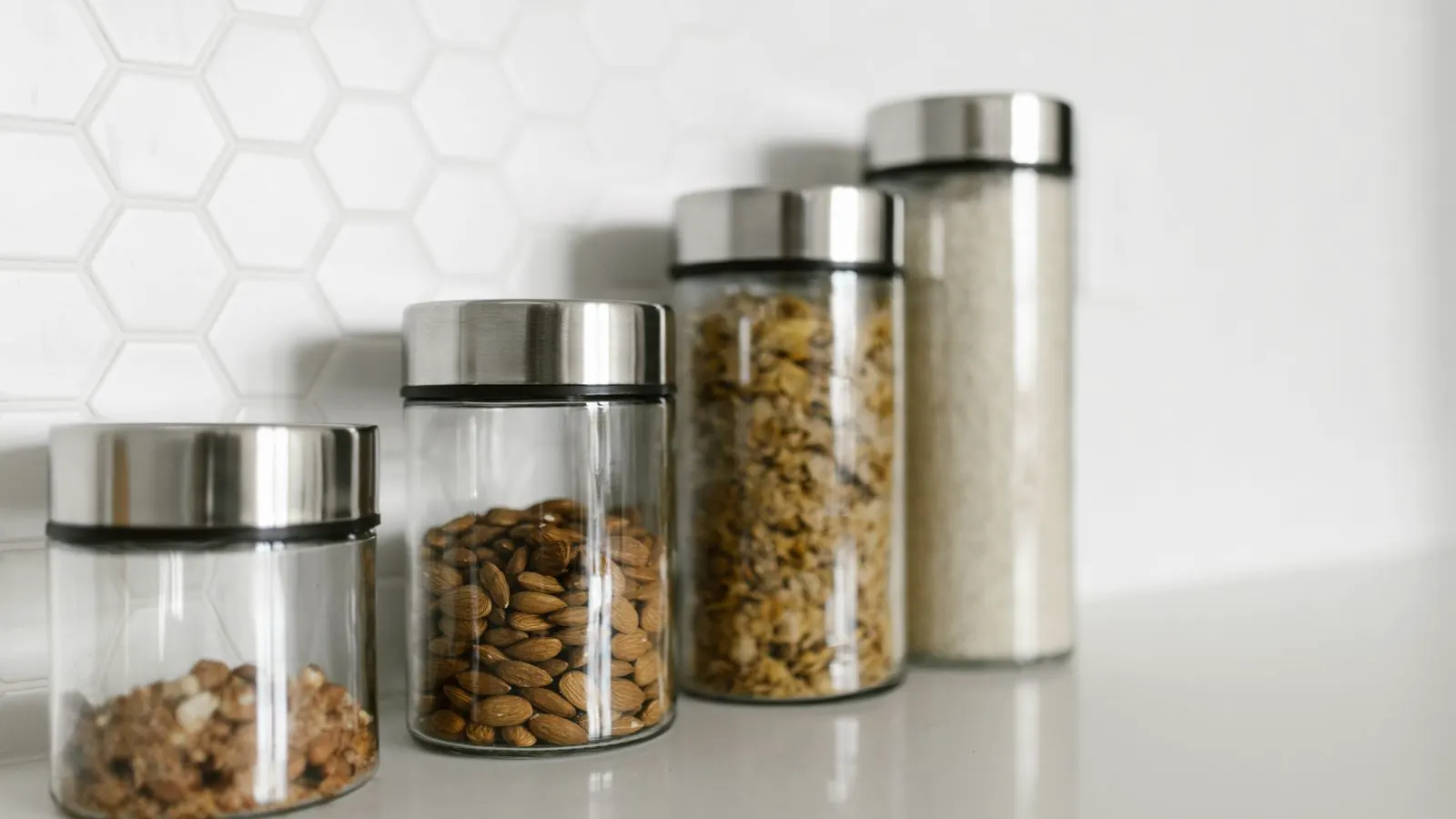
Metal closures, often aluminum or steel, are common for traditional glass jars. They offer strong barrier properties, good dimensional stability, and a familiar user experience. The inner liner or seal is usually the critical food-contact component.
Plastic closures are increasingly common for light-weight products, children’s food, and refill systems. They are lighter, easier to mold, and often cheaper at volume. However, they can be more sensitive to heat, moisture, and long-term exposure to acidic contents.
Composite closures combine a metal or plastic outer shell with a separate seal or liner. This allows engineers to optimize the outer part for appearance and handling, and the inner part for sealing and food safety.
When evaluating food grade jar seals, pay close attention to the liner material. The liner is what actually touches the food. It must be certified for food contact and must not leach compounds that affect flavor, odor, or safety. Common liner materials include ethylene-vinyl acetate, polyethylene, and silicone. Each has different performance characteristics across temperature and pH ranges.
Sealing mechanisms and their trade-offs
The sealing mechanism determines how the closure stays closed and how the user opens and recloses the jar.
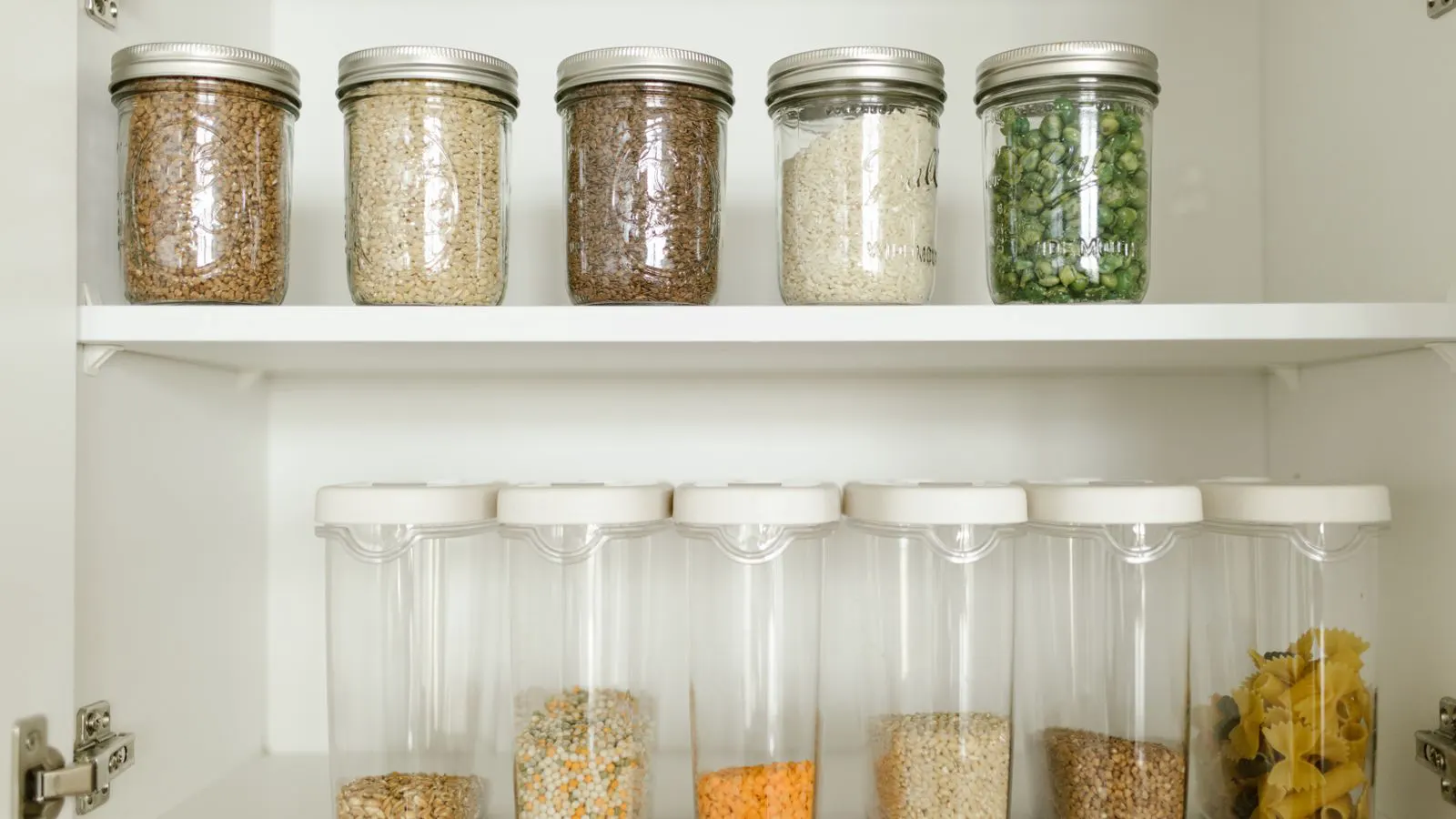
Screw closures are the most common for food jars. They provide a reliable seal, allow multiple openings, and are easy to manufacture. The user tightens the band, and the internal seal compresses against the jar rim. This is the standard for condiments, preserves, and many dairy products.
Flip-top closures offer fast access and are popular for snacks, condiments, and travel-sized products. They are convenient but can be harder to reseal tightly, especially with viscous or sticky contents.
Push-button closures are increasingly common for children’s food and pet food. They provide a child-resistant feature and a clean seal. The trade-off is that they can be fiddly for older adults and may not reseal as well as a screw closure after repeated use.
Induction sealing is used in some single-use or shelf-stable applications. A closure is placed on the jar and heated during filling. The heat activates an adhesive or a plastic seal that shrinks and bonds to the jar. This is a strong option for single-use products but is not ideal for refill systems.
When selecting a jar closure selection guide for your application, the sealing mechanism should match the product’s viscosity, the user’s behavior, and the expected number of open-close cycles.
The criteria table
The table below summarizes the main criteria for choosing a closure. Use it as a checklist when evaluating suppliers or when designing a new packaging system.
| Criterion | What to look for | Why it matters |
|---|---|---|
| Material compatibility | Closure and liner must be rated for your food’s acidity and temperature | Prevents leaching, seal degradation, and flavor transfer |
| Sealing mechanism | Match to product viscosity and user behavior | Affects resealability, leak risk, and user satisfaction |
| Dimensional tolerance | Closure thread or seal must match jar rim tolerance | Ensures consistent sealing across production runs |
| Food grade certification | Liner and seal must meet relevant food contact standards | Regulatory compliance and consumer trust |
| Manufacturing fit | Closure must suit your filling method and line speed | Avoids bottlenecks and defects in production |
| Environmental profile | Consider recyclability, weight, and material sourcing | Aligns with sustainability goals and brand positioning |
Testing and validation
A closure that passes a desk review still needs physical testing. The goal is to simulate real-world conditions and find the failure point before it reaches the consumer.
Basic tests include vacuum testing, where the sealed jar is placed in a vacuum chamber and the closure is checked for leakage. Drop testing simulates the impacts a jar may experience during shipping and handling. Temperature cycling checks how the closure behaves when moved between cold and hot environments.
For food-specific applications, you should also test the closure against the actual product. A low-acid soup and a high-acid sauce can behave very differently against the same liner. Run a small batch through your filling process and store the sealed jars under controlled conditions. Check for leakage, seal integrity, and any changes in the closure’s appearance or feel.
Document every test. If you are working with a supplier, share the results. If you are designing a new closure, keep a record of the materials, tolerances, and test parameters. This documentation becomes part of your quality system and helps you troubleshoot issues later.
Cost, supply, and practical considerations
Price is a factor, but it should not be the only one. A cheaper closure that fails in the field costs more than a slightly more expensive one that performs reliably.
Consider the total cost of the closure system. This includes the closure itself, any secondary packaging required to protect it, and the cost of returns or recalls if the closure fails. A closure that requires extra handling or a slower filling step can add significant cost even if the unit price is low.
Supply chain stability matters too. If a closure material is subject to price volatility or limited sourcing, it can create risk. Ask suppliers about their material sourcing, production capacity, and lead times. A closure that is hard to source can become a bottleneck when demand spikes.
Also consider the closure’s role in the supply chain. Will it be stored for months before filling? Will it be exposed to humidity or temperature changes? The closure must remain in usable condition until it is applied to the jar.
Making the final decision
The final decision should come from a combination of product requirements, testing results, and practical constraints. Use the criteria table as a framework, but let the product drive the choice.
A good closure is one that seals reliably, is easy to use, and fits the product’s needs. It is not about finding the most advanced or fashionable option. It is about finding the right balance for your specific application.
Decision checklist
Before you commit to a jar closure, confirm the following:
- The closure material and liner are certified for food contact with your product.
- The sealing mechanism matches the product’s viscosity and the expected user behavior.
- The closure dimensions and tolerances match your jar rim.
- You have performed vacuum, drop, and temperature cycling tests with the actual product.
- The closure fits your filling process and line speed.
- The supplier can provide stable supply and documentation for food safety compliance.
- The closure aligns with your environmental and sustainability goals.
If any of these items are unclear, go back and gather more data. A closure that is not fully validated is a risk you do not need to take.
Common mistakes to avoid
A few mistakes show up again and again in food packaging decisions.
The first is ignoring the product’s acidity. A closure that works with a low-acid product may fail with a high-acid one. Always test with the actual contents.
The second is assuming that a closure that works in one market will work in all markets. User expectations, regulatory requirements, and climate conditions vary. A closure that is standard in one region may not be appropriate in another.
The third is underestimating the importance of documentation. If you cannot prove that the closure is safe and reliable, you cannot defend it in a regulatory or quality audit.
The fourth is choosing the closure based on appearance alone. A beautiful closure that leaks or is hard to open is a poor choice. Function comes first.
Frequently asked questions
What is the most common closure type for food jars?
Screw closures are the most common for food jars, especially glass jars. They provide a reliable seal and allow multiple openings, which makes them suitable for condiments, preserves, and many dairy products.
How do I know if a closure liner is food safe?
Ask the supplier for food contact certification for the specific liner material. The certification should cover the intended use, such as the pH range and temperature of the product. You can also request material safety data sheets and compliance documentation.
Can a plastic closure be used with high-acid foods?
Yes, but the plastic must be rated for the acidity and temperature of the product. Some plastics can degrade or leach compounds when exposed to acidic contents over time. Always verify compatibility with the specific food.
How many open-close cycles should a food closure withstand?
This depends on the product and the target market. A condiment jar that is used daily may need to withstand many cycles, while a single-use product only needs one. Test the closure with the actual product to determine its cycle life.
What is the difference between a closure and a seal?
The closure is the entire cap or lid assembly. The seal is the specific part that makes the airtight or watertight connection, such as a liner, gasket, or adhesive. The closure holds the seal, but the seal is what actually prevents leakage.