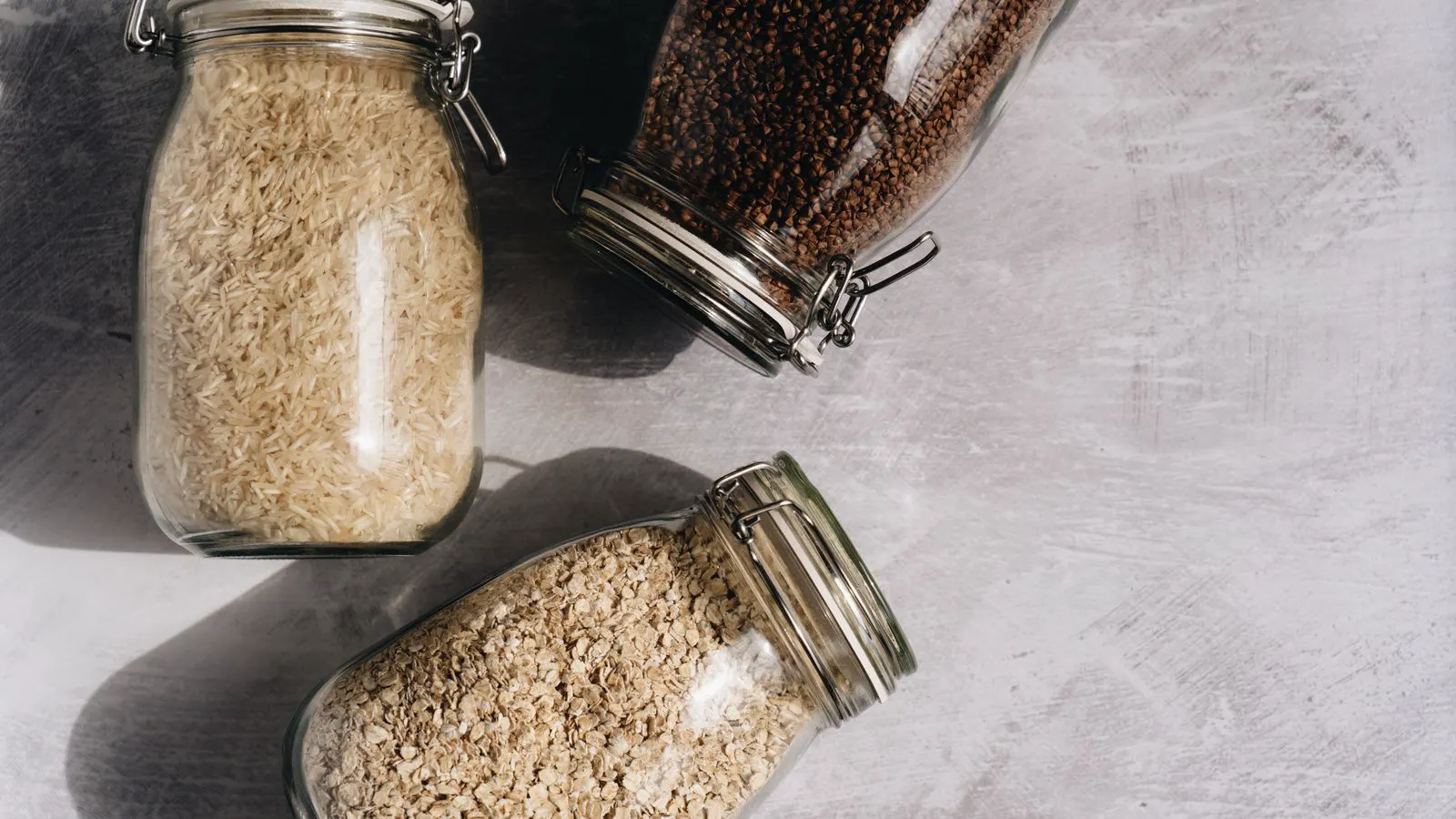
Screw tops offer superior sealing and tamper evidence for long-term storage. Flip tops provide faster access for high-traffic retail or industrial use. Choose based on shelf life, opening frequency, and regulatory needs.
- Screw tops seal tightly and support long shelf life, making them ideal for preserved foods and chemical storage.
- Flip tops allow rapid one-handed access, which suits high-volume retail environments and frequent consumer use.
- Tamper-evident features and child safety requirements often determine the final closure choice.
- Material compatibility and manufacturing tolerances must align with the jar's thread and neck diameter.
How the Two Closures Differ in Structure
Screw top and flip top jar closures serve different functions at the point of use. A screw top uses a threaded ring that wraps around the jar neck. A flip top uses a hinged lid with a push button or lever that lifts the lid for access.
The screw top relies on torque to compress the seal. The flip top relies on a latch or spring mechanism to hold the lid flat against the jar opening. These structural differences drive most of the performance and cost trade-offs.
Screw tops are available in metal, plastic, or composite materials. Flip tops are almost always plastic, with a few metal variants for premium applications. The internal seal in a screw top is usually a flat gasket or a liner. The flip top uses a molded rubber or silicone gasket under the lid.
Comparison of Screw Top vs Flip Top Jars
The table below summarizes the main differences. Use it to check whether your application fits the strengths of each closure.
| Option | Best for | Limitations |
|---|---|---|
| Screw top | Long shelf life, tamper evidence, child safety, re-closure after use | Slower opening; requires two hands for larger jars; higher cost for premium finishes |
| Flip top | High-traffic retail, frequent access, lightweight jars, consumer convenience | Weaker long-term seal; less tamper evidence; limited to smaller jar diameters |
| Screw top with liner | Oily or aromatic products, high-temperature storage, premium branding | Slightly more complex tooling; liner quality affects leak resistance |
| Flip top with tamper ring | Retail products needing both quick access and basic tamper evidence | Adds cost and complexity; ring can detach if not sized correctly |
| Screw top with child safety cap | Pharmaceuticals, hazardous chemicals, some food categories | Requires specific torque values; not suitable for products needing easy re-opening |
When to Choose a Screw Top
Screw tops are the default choice when the product must remain sealed for a long period. Think of preserved foods, condiments, chemical samples, and industrial powders. The threaded mechanism maintains positive pressure against the seal even when the jar is stored upright, on its side, or subjected to mild vibration.
If the product has a short shelf life but high opening frequency, a flip top may work. However, if the jar will sit on a shelf for months or years, the screw top is safer. The seal integrity depends on the thread engagement and the gasket compression. A well-designed screw top keeps the lid seated tightly even after multiple open and close cycles.
Screw tops also support tamper-evident designs. A breakaway ring or a tear-off strip signals if the closure has been opened. This matters for regulated products and for consumer trust in premium brands.
When to Choose a Flip Top
Flip tops win on speed. A single push of the thumb opens the lid. The user does not need to twist, align, or apply torque. This makes flip tops popular in retail settings where shoppers or workers need to access the product quickly.
They are common on salt, sugar, coffee, tea, and some spice jars. The lightweight construction reduces material cost per unit. The molding process is fast, which supports high-volume runs.
The main weakness is seal life. Flip tops are not designed for months of continuous sealing without opening. The gasket can dry out or lose spring tension over time. If the product is exposed to air frequently, the seal degrades faster than with a screw top.
Flip tops also have a size ceiling. The hinge and latch mechanism takes up space. Very large jars or wide-neck containers are difficult to fit with a reliable flip top. Most flip tops work best on standard 80 to 240 millimeter diameter jars.
Seal Quality and Leak Resistance
Leak resistance is where the two closures diverge most. A screw top creates a mechanical compression that is repeatable. The user applies torque, and the seal tightens accordingly. A flip top depends on a molded gasket pressing against the rim. The lid must snap shut evenly. If the jar rim is uneven or the gasket is worn, air can enter.
For products that are sensitive to moisture or oxygen, screw tops are generally preferred. The tighter compression limits gas exchange. For low-risk products like dry goods, a flip top can work if the jar is stored in a stable environment.
Check the jar thread and neck diameter before selecting a closure. A mismatch in thread pitch or neck height causes poor contact. Even a small gap between the lid rim and the jar mouth can create a leak path. Use the jar’s technical drawing to confirm the closure fit.
Tamper Evidence and Safety Requirements
Regulatory and safety standards often dictate the closure type. Child safety caps are required for many pharmaceuticals and hazardous materials. These are screw top variants that require a specific torque to open. A flip top cannot meet this standard because it lacks the torque mechanism.
Tamper-evident rings are common on screw tops. The ring breaks or tears when the lid is first removed. This gives the buyer a visual cue that the product has been opened. Flip tops can include a tamper ring, but it is less common and less robust.
If the product is for food, check local labeling and safety rules. Some food categories require re-sealable closures. Both types can be re-sealable, but the screw top holds its seal better after repeated use.
Cost and Manufacturing Considerations
Screw tops cost more per unit than flip tops. The metal or composite construction, the seal liner, and the threading tooling add expense. Flip tops are molded from plastic in a single or two-step process. The material cost is lower, and the cycle time is fast.
However, the total cost depends on the production run. For small batches, the tooling cost for a screw top can be high. For large runs, the unit price of a screw top drops. Flip tops have lower tooling costs but may need multiple molds for different sizes.
Consider the filling process. Screw tops are often filled and capped on the same line. The cap is placed, and the torque is applied by a capping station. Flip tops are usually snap-on or press-fit. The line speed can be higher for flip tops because there is no torque check.
How to Match the Closure to the Jar
The jar neck is the interface. If the jar has a standard thread, the closure must match the thread pitch and diameter. A screw top with a 15 mm or 20 mm neck is common. A flip top usually fits a 25 mm to 40 mm opening, depending on the hinge design.
Check the jar wall thickness. A thick wall can interfere with the flip top hinge. A thin wall may flex, causing the gasket to lose contact. The closure must sit flat on the rim without rocking.
For import or export, confirm that the closure material is compatible with the product. Food-grade plastics must meet local standards. Metal closures must resist corrosion if the product is acidic or alkaline. The seal gasket must not migrate into the product.
Final Selection Checklist
Use this checklist before finalizing the closure:
- Shelf life: How long must the jar stay sealed without opening? If over three months, lean toward screw top.
- Opening frequency: How often will the user open the jar? High frequency favors flip top.
- Tamper evidence: Is a breakaway ring or child safety cap required? If yes, use a screw top variant.
- Jar size: What is the neck diameter and height? Confirm the closure fits without gaps.
- Regulatory status: Are there local food safety or chemical labeling rules that mandate a specific closure type?
- Cost target: What is the acceptable cost per closure? Flip tops are cheaper per unit for large runs.
- Aesthetics: Does the brand need a premium look? Screw tops offer more finish options, such as painted metal or textured plastic.
Pick the closure that matches the product’s physical needs and the regulatory environment. Do not choose based on trend or appearance alone. The jar and closure must work together as a single system. Test the fit, the seal, and the opening torque before committing to production.
Frequently asked questions
Can a flip top jar replace a screw top jar for long-term storage?
No. Flip tops are not designed for months of continuous sealing. The gasket loses tension over time, and air can enter. Use a screw top for long shelf life.
Which closure is better for a high-volume retail product?
Flip tops are better for high-volume retail because they open faster and have a lower cost per unit. The user can access the product in one motion.
Do screw tops require more torque than flip tops?
Yes. Screw tops use torque to compress the seal. Flip tops use a latch or spring mechanism. The torque requirement is a feature, not a flaw.
Can a flip top be tamper-evident?
Yes, but it is less common. A tamper ring can be added to a flip top, but it is less robust than a screw top tamper ring. Check local requirements.
How do I know if a closure fits my jar?
Check the jar's thread diameter and pitch for screw tops. For flip tops, check the neck diameter and rim thickness. Use the jar's technical drawing to confirm the fit.