Foil stamping adds color and metal sheen, while embossing creates depth through texture. Choose foil for bold logo impact and embossing for tactile, premium feel. The right choice depends on jar material, surface finish, and production tolerance.
- Foil stamping transfers colored or metallic film onto a surface using heat and pressure.
- Embossing presses the surface up or down to create a raised or recessed texture.
- Foil stamping works best on smooth, flat surfaces such as lids, labels, or glass.
- Embossing works best on pliable materials like paper labels, soft plastics, or rubber.
- Test both finishes on your exact jar surface before committing to a production run.
How Foil Stamping Works for Jars
Foil stamping applies a thin metallic or colored film to a jar surface using a heated die and pressure. The die is cut to match your logo or shape. When the die presses down, the foil transfers to the surface. The heat melts or bonds the foil film.
This method works well for glass jars, metal lids, and smooth plastic caps. The finish is flat, glossy, and highly visible. It also holds up well to handling because the foil sits on top of the surface rather than changing the shape.
Common uses include logo stamps on amber glass jars, metallic accents on black plastic lids, or color fills inside an embossed outline. The foil can be gold, silver, copper, or any color your supplier offers.
How Embossing Works for Jars
Embossing changes the physical shape of a material. A die presses into paper, plastic, or rubber to push the surface up or down. The result is a raised or recessed area that you can feel.
For jars, embossing usually appears on labels or soft plastic caps. Paper labels take embossing well because the fibers bend and hold the shape. Soft plastic lids can also be embossed, but the depth depends on the thickness and flexibility of the material.
Embossing does not add color by itself. It adds texture. You can combine it with foil stamping, where the foil fills only the recessed area. You can also print over the embossed surface, but ink coverage can vary if the texture is too deep.
Comparison Table for Custom Jar Design
| Option | Best for | Limitations |
|---|---|---|
| Foil stamping | Smooth glass, metal lids, flat labels, bold logos, metallic color accents | Requires a flat or near-flat surface. Deep textures can cause gaps in foil transfer. |
| Embossing | Paper labels, soft plastic caps, tactile brand feel, premium texture | Does not add color by itself. Deep embossing may reduce print clarity if ink is applied over it. |
| Combined foil and emboss | Paper labels, soft plastics, logos that need both color and depth | Higher tooling complexity. Requires precise alignment of the emboss die and foil die. |
| Blind embossing | Minimalist design, matte labels, subtle texture without color | Limited visual impact. Best for brands that favor quiet, tactile cues. |
| Foil on emboss | Premium jars, luxury cosmetics, high-end food packaging | More expensive. Requires two tooling steps or a dual die. |
When to Pick Foil Stamping
Pick foil stamping when color and shine matter more than texture. If your jar lid is smooth glass or metal, foil gives a clean, sharp edge. It also works well when the surface is dark, because the metallic foil stands out against black, deep green, or amber glass.
Foil stamping is the stronger choice for short, high-impact marks. A logo, a product name, or a simple icon transfers cleanly. The finish is uniform and easy to inspect. A supplier can check the foil coverage under light to catch thin spots or missed areas.
Avoid foil stamping on heavily textured surfaces. If the jar surface has a rough grain, dimples, or deep grooves, the foil may not sit flat. Thin areas of foil can peel over time. In those cases, a printed finish or a different surface treatment works better.
When to Pick Embossing
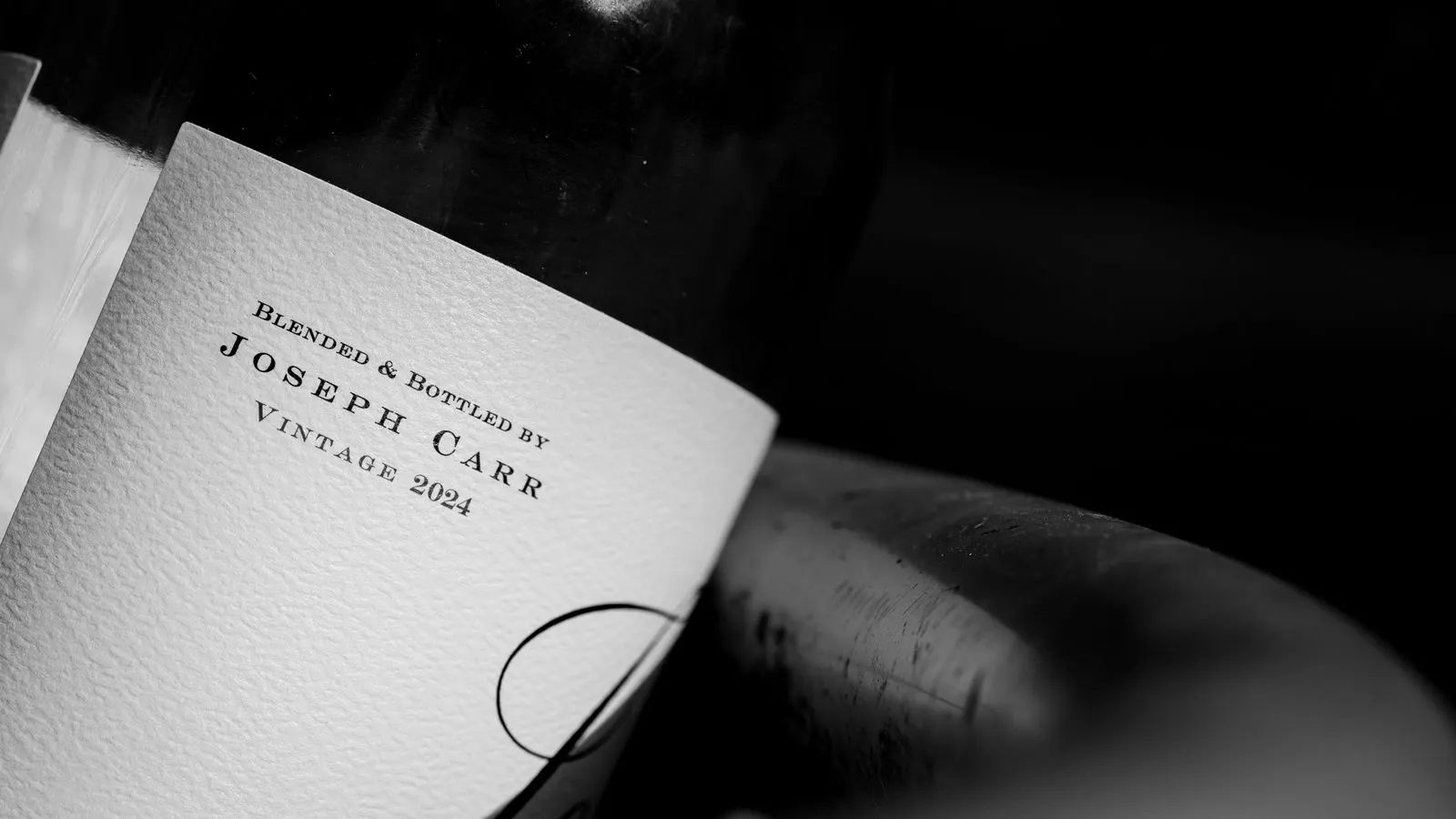
Pick embossing when touch and depth matter more than color. A raised logo on a matte paper label creates a tactile moment. The buyer feels the brand before they read it. This works well for premium jars, small-batch products, or gifts.
Embossing also helps with durability on some surfaces. A raised paper label area can resist minor scuffs better than a flat printed area. It can also reduce the need for heavy ink coverage, which is useful if you want a cleaner, less saturated look.
Do not emboss thin paper. If the label stock is too light, the die can tear the paper or leave a weak spot. For soft plastic caps, keep the emboss depth shallow. Deep embossing on thin plastic can cause stress cracks at the base of the raised area.
When to Combine Both
Combining foil and embossing gives you the best of both. The emboss creates the shape. The foil fills the raised or recessed area with color. This is common on premium paper labels where the logo sits inside an embossed border, or where the brand mark is raised and filled with metallic foil.
The process requires careful alignment. If the emboss die and foil die do not line up, the foil will sit off-center or miss the edge. Suppliers usually use a single tool or a two-step process. A two-step process adds time and cost. A single combined tool is faster but more expensive to prepare.
This approach works best when your jar label is made of paper or a flexible material. On glass, you can emboss a separate label and apply foil, but you cannot emboss the glass itself without a separate surface treatment.
Practical Checks Before You Choose
Before sending your design to a supplier, run a few checks.
- Confirm the jar surface material. Glass, metal, plastic, and paper behave differently under heat and pressure.
- Measure the surface area. Foil and emboss tools have size limits. Small logos are easier than large panels.
- Check the color contrast. Dark surfaces make light foil stand out. Light surfaces may need darker foil or a printed underlayer.
- Test the texture depth. If you emboss, decide how raised or recessed the area should be. Shallow is safer for thin materials.
- Review the production run size. Small runs may have higher per-unit cost for tooling. Large runs spread that cost.
- Ask for a sample on your exact jar. A sample on a generic jar is not enough. Surface finish, curvature, and material thickness all affect the result.
Cost and Lead Time Considerations
Tooling is the main cost driver. Foil stamping and embossing both require a die. The die is made from your artwork. Once the die is ready, production runs can be fast.
A custom die for foil stamping is usually cut from a flat sheet of metal or a laser-cut template. An emboss die has a raised or recessed profile. If you combine both, you may need two dies or one combined tool.
Lead time depends on tooling approval and sample testing. If your jar surface is unusual, the supplier may need to test several pressure and temperature settings. This adds a few extra days.
For small batches, the tooling cost can be a large part of the total. For large batches, the per-unit cost drops. If your run is small and your budget is tight, a printed finish may be cheaper. If your run is medium to large and you want a premium feel, foil and emboss are worth the extra setup.
Final Pick for Custom Jar Design
Choose foil stamping when you need color, shine, and a clean edge. It is the faster and simpler finish for smooth jar lids and flat labels.
Choose embossing when you need depth, texture, and a tactile brand cue. It works best on paper labels and soft plastic caps.
Choose both when you want a premium finish that combines shape and color. It is the stronger option for high-end packaging where the unboxing experience matters.
Always test on your actual jar. Surface material, curvature, and finish will change how the foil or emboss looks. A sample is the cheapest way to avoid a production surprise.
Frequently asked questions
Can foil stamping be applied directly to glass jars?
Yes, foil can be stamped onto smooth glass lids, caps, or surfaces. The glass must be flat or nearly flat for even transfer. Rough or textured glass may cause gaps in the foil.
Is embossing better for labels or for the jar itself?
Embossing works well on paper labels and soft plastic caps. It is not usually applied directly to glass without a separate label or surface treatment.
Which finish is more durable for jars?
Foil stamping is generally more resistant to peeling if the surface is smooth and the foil is properly bonded. Embossing can be durable on paper, but deep embossing may weaken thin stock.
Can I use both finishes on the same jar?
Yes. You can emboss a label and apply foil to the raised or recessed area. You can also stamp foil on a lid and emboss a label. The two processes can be combined for a premium look.
How do I know if my jar surface is suitable for foil stamping?
Ask your supplier to run a sample on your exact jar. Check that the surface is smooth, flat, and clean. If the surface is textured or curved, the foil may not transfer evenly.