Bottle cost factors depend on design efficiency, material selection, and order size. Optimizing weight, wall thickness, and material type directly impacts supplier pricing. Buyers should review these variables before finalizing packaging specifications.
- Wall thickness and weight reduction directly lower material costs without sacrificing structural integrity.
- Material selection should match product type and shelf life requirements to avoid overpaying for unnecessary durability.
- Standardized dimensions and color choices reduce production complexity and lower per-unit pricing.
- Negotiating with suppliers requires clear specifications, realistic timelines, and flexibility on minor design details.
- Requesting multiple quotations with detailed technical drawings improves comparison accuracy.
How Wall Thickness Affects Material Spend
The first variable to examine is wall thickness. Thinner walls require less raw material per unit, which reduces the base cost before processing fees are applied. However, reducing thickness too aggressively creates risk. A bottle that fails during handling or transport generates replacement costs that exceed the initial savings.
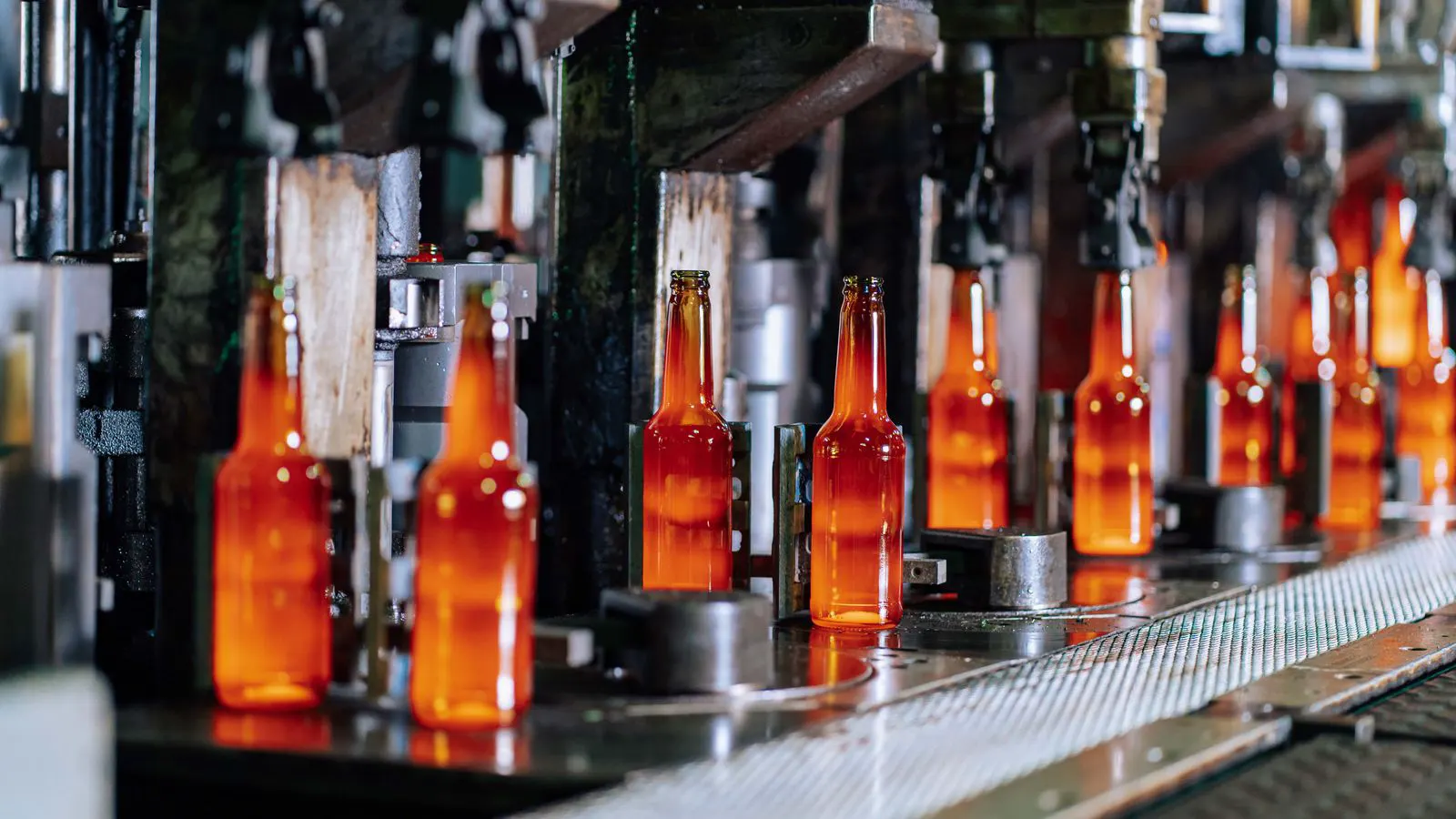
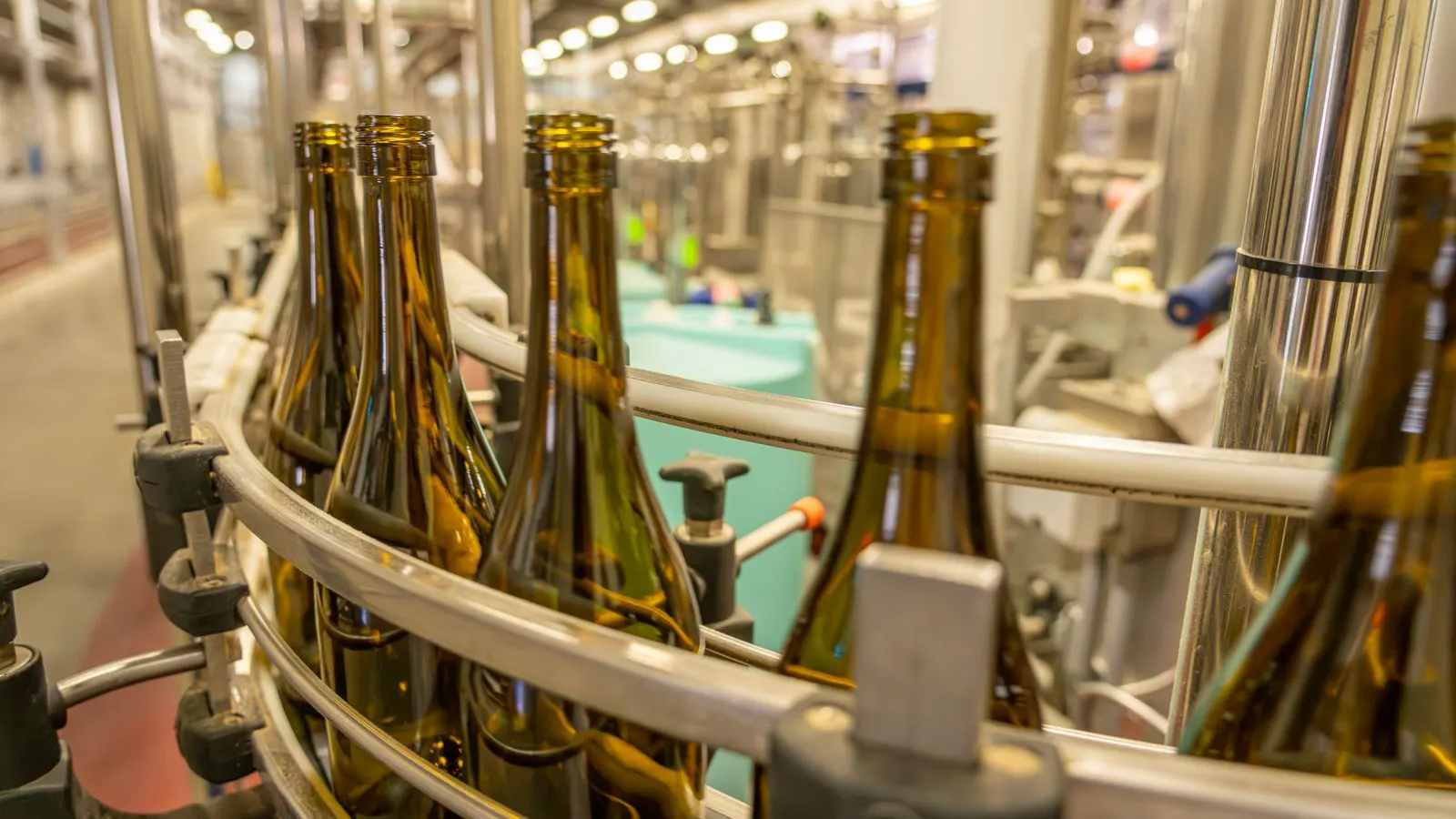
For glass containers, wall thickness determines both weight and fragility. A thick-walled bottle resists impact better but consumes more silica. A thin-walled version is lighter and cheaper to ship, yet needs careful packaging and labeling. Consider a standard 330 milliliter wine bottle. A thick base and shoulder provide structural integrity for heavy liquid, but they add significant mass to every pallet. A thin-walled equivalent, if properly annealed, may weigh less and require less fuel for long-distance freight. Yet, if the wall thickness falls below the structural limit for the expected drop height, the bottle will crack during loading.
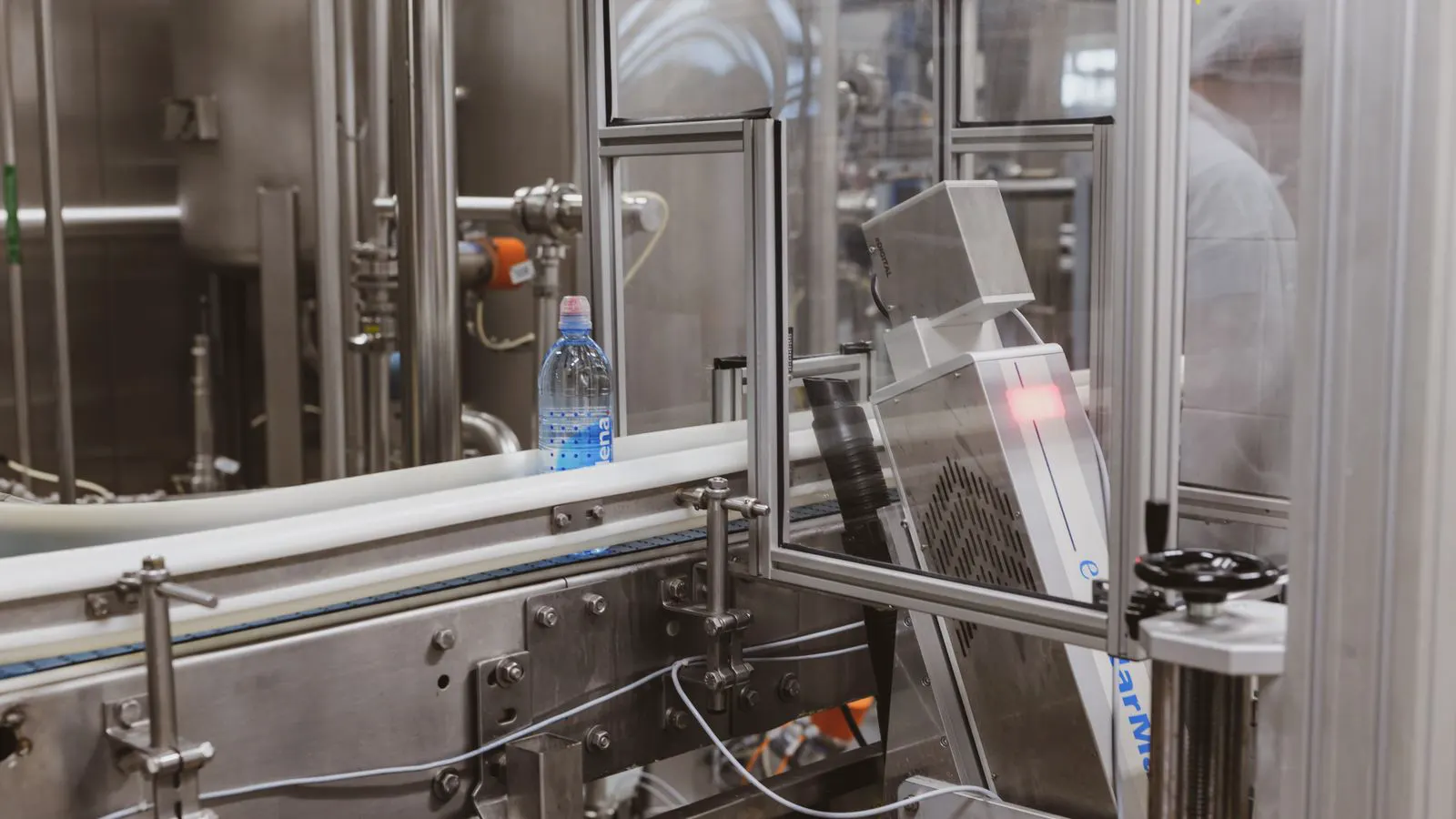
Plastic bottles follow a similar logic. Injection molding or blow molding can produce very thin walls, but the material must retain sufficient yield strength to hold liquid pressure. Carbonated drinks present a unique challenge. The internal pressure can push against the wall, requiring a balance between material stiffness and thickness. A thin PET bottle for sparkling water must be thicker than one for still juice to prevent bulging or bursting.
Buyers should work with engineers to identify the minimum acceptable thickness for their product. This calculation accounts for the liquid density, fill volume, internal pressure, and expected drop height. Once that floor is set, any design above it is extra cost. For example, if a product is shipped in a carton with cushioning and never exposed to high-impact drops, the structural requirement is lower than for a bottle that travels loose in a truck bed. The engineering review should specify the safety factor, not just the theoretical minimum.
Material Selection and Its Price Impact
Material choice sets the baseline. Glass is denser and heavier than plastic or metal, which increases transportation expenses. For a product shipped long distances, the weight savings of a plastic bottle can offset the higher material cost of the resin itself. A 500 milliliter glass bottle may contain more material per unit than a plastic one, but the freight cost per kilogram often dominates the total cost for distant shipments. Metal cans and bottles sit in a different category. They require rolling, forming, and coating processes that add labor and energy inputs.
Resin type matters within plastic. Standard PET is widely available and cheap. Specialty resins with UV resistance, chemical barriers, or specific clarity levels cost more. If the product does not require those properties, selecting a premium resin adds unnecessary expense. A cosmetic product with no direct sunlight exposure does not need UV stabilizers. A food-grade container for acidic liquids requires a barrier resin that prevents migration into the product.
Glass color also changes price. Clear glass is the most common and least expensive. Colored glass requires different raw materials and often slower cooling cycles. Amber glass, for instance, is used to protect light-sensitive products. It absorbs UV light and is generally more expensive than clear glass due to the addition of iron oxide and other colorants. The production line must also adjust cooling rates to prevent thermal stress in colored batches.
The packaging cost guide approach starts here. Compare the total cost of ownership, not just the unit price. A slightly heavier glass bottle that requires less secondary packaging may cost less than a lightweight plastic bottle that needs a cardboard sleeve. Consider a product with a high liquid viscosity. A rigid glass jar may hold its shape under pressure, while a thin plastic container might need a reinforced base or a larger diameter to prevent deformation. The secondary packaging, such as shrink wrap or corrugated trays, adds to the cost of the lightweight option.
Design Simplicity and Production Speed
Mold complexity drives production time. Each additional cavity, thread, or decorative element increases cycle time. A simple cylindrical bottle with a standard neck diameter molds faster than a contoured shape with a narrow opening. For glass, the number of manual operations during finishing matters. A bottle with a simple shape can be inspected and capped more quickly.
Thread standardization helps. If your cap is a common size, the supplier can use existing tooling and standard parts. Custom threads or unusual neck diameters require new molds or custom tooling, which adds upfront cost and reduces production speed. A standard 28 millimeter thread, for example, is widely available and compatible with many cap manufacturers. A custom 24.5 millimeter thread with a specific pitch requires a new die or mold insert, which must be machined, tested, and calibrated.
Color application is another factor. Printing or labeling on the outside of a bottle requires additional equipment and time. A single-color printed design is cheaper than multicolor or special inks. For glass, decals and screen printing are common. For plastic, co-extrusion or in-line printing are options. Each method has its own cost profile. Co-extrusion allows a colored layer to be embedded in the wall during molding, eliminating the need for a separate label. However, it limits the design complexity and requires a dedicated mold. In-line printing is faster but may have limitations on ink adhesion and durability.
Order Volume and Production Run Economics
Supplier pricing changes with order volume. Larger runs spread fixed costs across more units. Mold amortization, setup time, and labor are fixed costs that decrease per unit as quantity increases. Small runs carry a higher per-unit cost because those fixed costs are distributed over fewer bottles.
The minimum order quantity is not just a supplier limit. It is a signal of economic efficiency. If a supplier sets a high MOQ, it is because producing fewer units would make the run unprofitable or inefficient. Buyers who need low quantities should understand that they are paying a premium for flexibility.
There is a trade-off between inventory and price. Ordering more reduces the unit cost but ties up capital. Holding excess inventory incurs storage costs and risk of obsolescence. The optimal order size balances unit price against carrying cost. For many buyers, a moderate increase in order size produces a meaningful discount without creating significant inventory risk. For instance, increasing an order by 20 percent might reduce the unit price by 5 percent, but it requires 20 percent more warehouse space and working capital.
Supplier Capabilities and Negotiation Points
Supplier pricing reflects their overhead, materials, and capacity. A supplier with high utilization has more room to negotiate. A supplier running at low capacity may need higher margins to cover fixed costs. Understanding this context helps in discussions.
Requesting detailed quotations with technical specifications is the baseline. Vague requests lead to generic quotes that are hard to compare. A detailed drawing with dimensions, wall thickness, material grade, and finish requirements allows suppliers to price accurately.
The supplier pricing conversation should include several points. Ask about tooling costs and whether they are recoverable. Ask about sample costs and lead times. Ask about payment terms and how they affect pricing. Ask about the impact of order size on unit cost.
How to Structure a Cost-Optimization Plan
Start with a product requirements document. Define fill volume, liquid type, shelf life, transportation method, and target shelf presentation. Then select a material that fits those constraints. Next, choose a shape that minimizes mold complexity while meeting aesthetic goals.
Create a design review checklist. Include wall thickness, thread standard, color count, label area, and cap compatibility. Send this to three suppliers with the same specification. Request itemized quotes that separate material, labor, tooling, and overhead.
Review the quotes for red flags. A significantly lower price may indicate hidden costs or lower quality. Ask for references or sample units before committing. A small pilot run can validate the design before a full production order.
| Design Factor | Cost Impact | Optimization Approach |
|---|---|---|
| Wall thickness | High. Thinner walls use less material | Engineer minimum safe thickness for product |
| Material type | Medium to high. Resin or glass grade changes price | Match material to product needs, avoid over-specification |
| Shape complexity | Medium. Complex molds increase cycle time | Simplify contours and use standard threads |
| Color and finish | Low to medium. Extra inks and processes | Limit color count and standardize finishes |
| Order size | High. Spreads fixed costs across units | Balance unit price against inventory carrying cost |
| Tooling | High upfront, low per-unit at scale | Negotiate tooling recovery and amortization |
Practical Steps for Buyers
- Define the product requirements and shelf life constraints before contacting suppliers.
- Select a material that meets performance needs without unnecessary premium features.
- Simplify the design by reducing mold cavities, standardizing threads, and limiting color changes.
- Request detailed quotations with itemized costs from at least three suppliers.
- Negotiate tooling recovery, sample costs, and payment terms as part of the final agreement.
- Run a small pilot order to validate the design before scaling up.
- Review actual production costs against estimates and adjust specifications for future orders.
Frequently asked questions
How does bottle weight affect transportation costs?
Heavier bottles increase freight charges. For long-distance shipping, reducing weight can offset higher material costs if the packaging remains effective.
Can I use a cheaper material without changing my design?
Sometimes. A lower-grade resin or a thinner glass wall may work if the product does not require high chemical resistance or impact strength. Testing is required.
What is the biggest cost driver for small order runs?
Tooling and setup costs. These fixed expenses are spread over fewer units, raising the per-unit price significantly compared to large runs.
How do I compare supplier quotes accurately?
Request itemized quotes that separate material, labor, tooling, and overhead. Ensure all quotes are based on the same technical specification and dimensions.
Is it worth negotiating with a supplier if the order size is small?
Yes, but with limited use. Focus on payment terms, sample costs, and tooling recovery. Even small concessions can improve the total cost of ownership.