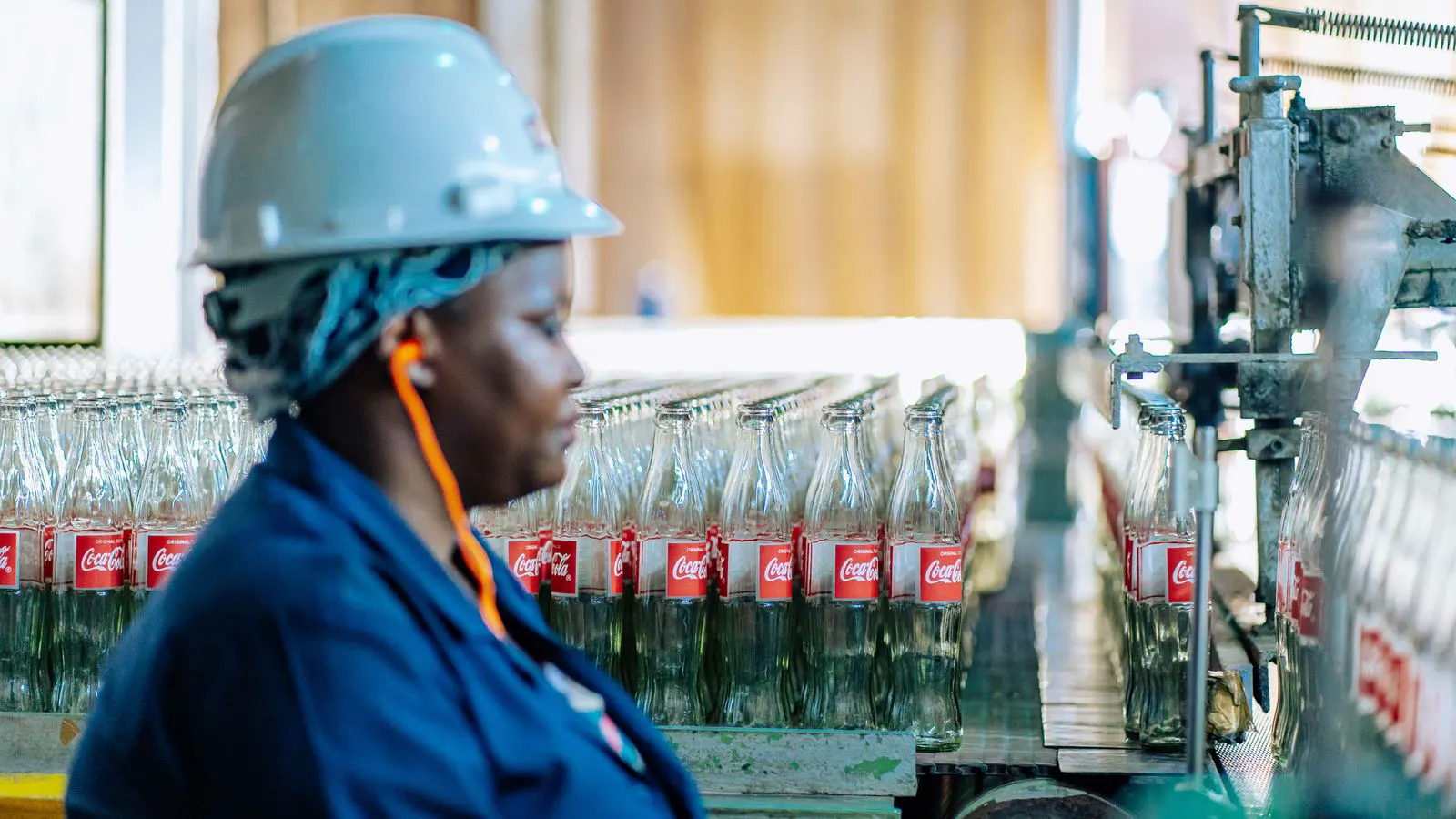
Supplier minimum order quantities directly impact cash flow and production scheduling. A high MOQ ties up working capital and forces overstocking. A low MOQ requires frequent shipments and higher per-unit costs. Buyers must balance these pressures through careful inventory planning and supplier negotiation.
- MOQs determine the smallest batch a supplier will produce or ship, directly shaping cash flow and warehouse space.
- High MOQs reduce unit costs but increase the risk of overstocking and obsolescence.
- Low MOQs lower initial capital risk but raise logistics and per-unit expenses.
- Clear inventory planning and transparent RFQs help align supplier capabilities with buyer needs.
- Comparing quotes requires looking beyond unit price to include lead time, MOQ flexibility, and total landed cost.
Why MOQs Matter in Container Supply Chains
Minimum order quantities set the floor for how much product a supplier will manufacture or dispatch. This floor changes how buyers manage cash, plan production runs, and store finished goods. A supplier that requires a large MOQ will lock in significant capital before the first bottle reaches the warehouse. A supplier that accepts small batches keeps capital free but may charge a higher price per unit.
The pressure is not just financial. It shapes production scheduling. If a buyer commits to a large order, the factory may slot that run into a long-term schedule. The buyer must then match that delivery date to their own packaging line and sales forecast. A mismatch creates either idle warehouse space or a rush to source from a secondary supplier.
Consider a beverage distributor planning for a new regional release. The distributor needs to align the bottle arrival date with the filling line and the distribution center. If the supplier mandates a large MOQ, the distributor must hold the finished product until the sales window opens. If the supplier accepts smaller orders, the distributor can run a tighter inventory cycle. The financial difference is visible in the balance sheet. The operational difference is visible on the warehouse floor.
How MOQs Drive Unit Price and Cash Flow
The relationship between order size and unit price is usually inverse. Larger orders spread fixed costs across more units. The fixed costs include mold setup, quality inspection, and packaging preparation. When these costs are divided by a small number of units, the price per bottle rises. When the same costs are divided by a large number of units, the price per bottle falls.
This dynamic creates a direct link between MOQs and cash flow. A buyer who orders a large quantity pays a larger invoice upfront. The cash is tied up in inventory until the product is sold. A buyer who orders in small increments pays smaller invoices but may face a higher cost per unit. The total cost of ownership includes both the unit price and the cost of capital.
| Cost Driver | Effect of High MOQ | Effect of Low MOQ |
|---|---|---|
| Unit Price | Lower due to spread fixed costs | Higher due to smaller scale |
| Cash Flow | Larger upfront outlay | Smaller, frequent outlays |
| Warehouse Space | Large volume stored | Small volume stored |
| Production Risk | High if demand shifts | Low if demand shifts |
| Logistics Cost | Lower per unit shipped | Higher per unit shipped |
A specific example clarifies the trade-off. A buyer orders 5,000 glass bottles. The supplier charges $0.50 per unit plus a $1,000 mold setup fee. The total cost is $3,500. If the buyer orders 50,000 bottles, the unit price drops to $0.35, but the setup fee remains $1,000. The total cost is $18,500. The unit price difference is small, but the cash outlay is five times larger. The buyer must decide if the lower unit price justifies the larger cash commitment.
What Drives a Supplier’s MOQ?
Suppliers set MOQs based on their own operational constraints. The raw material source often plays a part. Glass, plastic, and metal often come in standard container sizes from raw material suppliers. A bottle maker may need to buy a full truckload of cullet or resin to justify the shipping cost. The MOQ reflects the smallest batch that allows the supplier to maintain its own efficiency.
The production process also dictates the minimum. A glass furnace runs for long periods. Stopping and restarting the furnace is expensive. The supplier needs enough volume to justify the energy and labor for that run. A plastic injection molding line has different constraints. The molds are expensive to make. The supplier wants enough cycles to amortize the mold cost.
Quality control adds another layer. Each production run requires testing. The cost of testing a small batch is higher per unit than testing a large batch. The supplier sets the MOQ to ensure the testing cost is manageable.
Consider a supplier making PET bottles for a cosmetics brand. The supplier uses a mold with a specific cavity count. If the buyer orders 1,000 bottles, the supplier may run the machine for several hours. If the buyer orders 10,000 bottles, the supplier can run the machine for a full shift. The labor cost per bottle drops significantly. The supplier sets the MOQ to ensure the shift is profitable. If the MOQ is too low, the supplier loses money on labor and energy.
How MOQs Affect Production Scheduling
A fixed MOQ forces a buyer to plan production in blocks. If the supplier requires a specific quantity, the buyer must schedule that quantity against their own sales forecast. The buyer must then decide when to place the order. If the order is placed too early, the product sits in the warehouse. If it is placed too late, the buyer faces stockouts.
Lead time variability makes this harder. A supplier may quote a standard lead time, but actual delivery can vary. A delay in raw material shipment or a quality failure can push the delivery date later. The buyer must build buffer stock to cover this variability. A high MOQ increases the size of the buffer. A low MOQ allows for smaller buffers but requires more frequent production runs.
The interaction between MOQ and lead time determines the safety stock level. A buyer with a long lead time and a high MOQ needs a larger buffer. A buyer with a short lead time and a low MOQ can operate with less inventory. The choice of supplier directly changes the buyer’s production schedule.
For instance, a buyer sourcing glass jars for a sauce manufacturer. The lead time from the supplier to the factory is six weeks. The MOQ is 20,000 jars. The daily consumption rate is 500 jars. The buyer needs to order 20,000 jars, which is enough for 40 days of consumption. The lead time is 42 days. The buyer has almost no buffer. If the supplier delays by one week, the factory stops. If the buyer orders 40,000 jars, the buffer increases to 60 days of consumption. The warehouse holds more stock, but the risk of stockout drops.
How to Write a Clear RFQ for MOQ Negotiation
A Request for Quotation should state the expected order volume and the desired MOQ. If the buyer expects to order 10,000 units per year, the RFQ should say so. The buyer should also state the desired MOQ, if they have one. A buyer who wants to start with 500 units should ask if the supplier can accommodate that quantity.
The RFQ should include the product specifications. Dimensions, material, color, and labeling requirements all affect the MOQ. A simple clear glass bottle has a different MOQ than a colored bottle with a custom label. The more complex the product, the higher the MOQ is likely to be.
The buyer should ask for a price breakdown. The unit price, the setup fee, and the shipping cost should be listed separately. This makes it easier to compare quotes. It also shows where the supplier can offer flexibility. A supplier might agree to a lower MOQ if the buyer accepts a higher setup fee.
A clear RFQ reduces back-and-forth. The buyer lists the quantity, the specifications, and the desired MOQ. The supplier responds with a quote that matches the request. The buyer can then negotiate the MOQ or the price. Without a clear RFQ, the supplier may quote a standard MOQ that does not fit the buyer’s needs. The buyer then has to negotiate from a disadvantage.
How to Compare Quotes Fairly
Comparing two quotes requires looking beyond the unit price. Two suppliers may offer the same unit price but different MOQs. The supplier with the lower MOQ may be more expensive in total because of higher logistics costs. The buyer must calculate the total landed cost. This includes the unit price, the shipping, the duty, and the cost of capital.
The buyer should also compare the lead time. A supplier with a lower unit price but a longer lead time may not be the better choice. The buyer must factor in the cost of holding inventory. A supplier with a shorter lead time but a higher unit price may be cheaper in the long run.
The comparison should include the supplier’s reliability. A supplier with a high MOQ but a consistent delivery record may be safer than a supplier with a low MOQ but a history of delays. The buyer should check references and review past performance data.
To compare quotes, the buyer should use a standard template. List the unit price, the MOQ, the lead time, the setup fee, and the shipping cost. Calculate the total cost for a full year of demand. For example, if the annual demand is 100,000 units, Supplier A has an MOQ of 10,000 units and Supplier B has an MOQ of 50,000 units. Supplier A requires ten orders per year. Supplier B requires two orders per year. The buyer must calculate the shipping cost for ten small shipments versus two large shipments. The buyer must also calculate the warehouse space for ten small deliveries versus two large deliveries. The total cost may favor Supplier B, even if the unit price is higher.
Managing Inventory Planning Around MOQs
Inventory planning must account for the MOQ. The buyer should calculate the reorder point. This is the level of inventory that triggers a new order. The reorder point depends on the daily consumption rate and the lead time. If the MOQ is larger than the expected demand during the lead time, the buyer will have excess inventory.
The buyer should also consider the shelf life of the product. A bottle with a short shelf life cannot be ordered in large quantities. The buyer must match the MOQ to the shelf life. If the MOQ is too high, the product may expire before it is sold.
The buyer should review the inventory levels regularly. If the demand changes, the MOQ may need to be renegotiated. A buyer who sees a drop in demand should ask the supplier if the MOQ can be lowered. A buyer who sees a rise in demand should ask if the MOQ can be increased to secure a better price.
A practical approach is to track the inventory turnover rate. If the inventory turns over slowly, the buyer should reduce the order size. If the inventory turns over quickly, the buyer should increase the order size to lower the unit price. The buyer should communicate with the supplier regularly. If the buyer sees a trend in demand, the supplier can adjust the production schedule accordingly. This alignment reduces waste and improves cash flow.
Frequently asked questions
Can a supplier lower their MOQ if I commit to a long-term contract?
Sometimes. A long-term contract gives the supplier visibility into demand. This allows them to plan production more efficiently. The supplier may agree to a lower MOQ in exchange for a fixed price or a multi-year commitment.
What is the best way to reduce the cost of high MOQs?
Consolidate orders with other buyers in the same industry. This allows the group to meet the supplier's MOQ while each buyer only orders what it needs. The group can also share the shipping and handling costs.
How do I know if a supplier’s MOQ is fair?
Ask the supplier to explain the driver. If the MOQ is based on raw material packaging, ask for details. If the MOQ seems arbitrary, compare it with other suppliers. A fair MOQ reflects the supplier's actual operational constraints.
Does a low MOQ always mean a higher unit price?
Usually, but not always. Some suppliers offer volume discounts that kick in at higher quantities. A supplier with a low MOQ may still offer a discount if the buyer orders in the middle of the range. The buyer should ask for the full price structure.
How does MOQ affect my warehouse space?
A high MOQ requires more warehouse space. The buyer must store the entire order until it is consumed. A low MOQ requires less space but more frequent handling. The buyer should calculate the cost of warehouse space per unit and factor it into the decision.